Dengue Fever in Vietnam: What to Know
Dengue is the one mosquito-borne illness travellers actually catch in Vietnam. How to spot it, how to avoid it, and what to do.
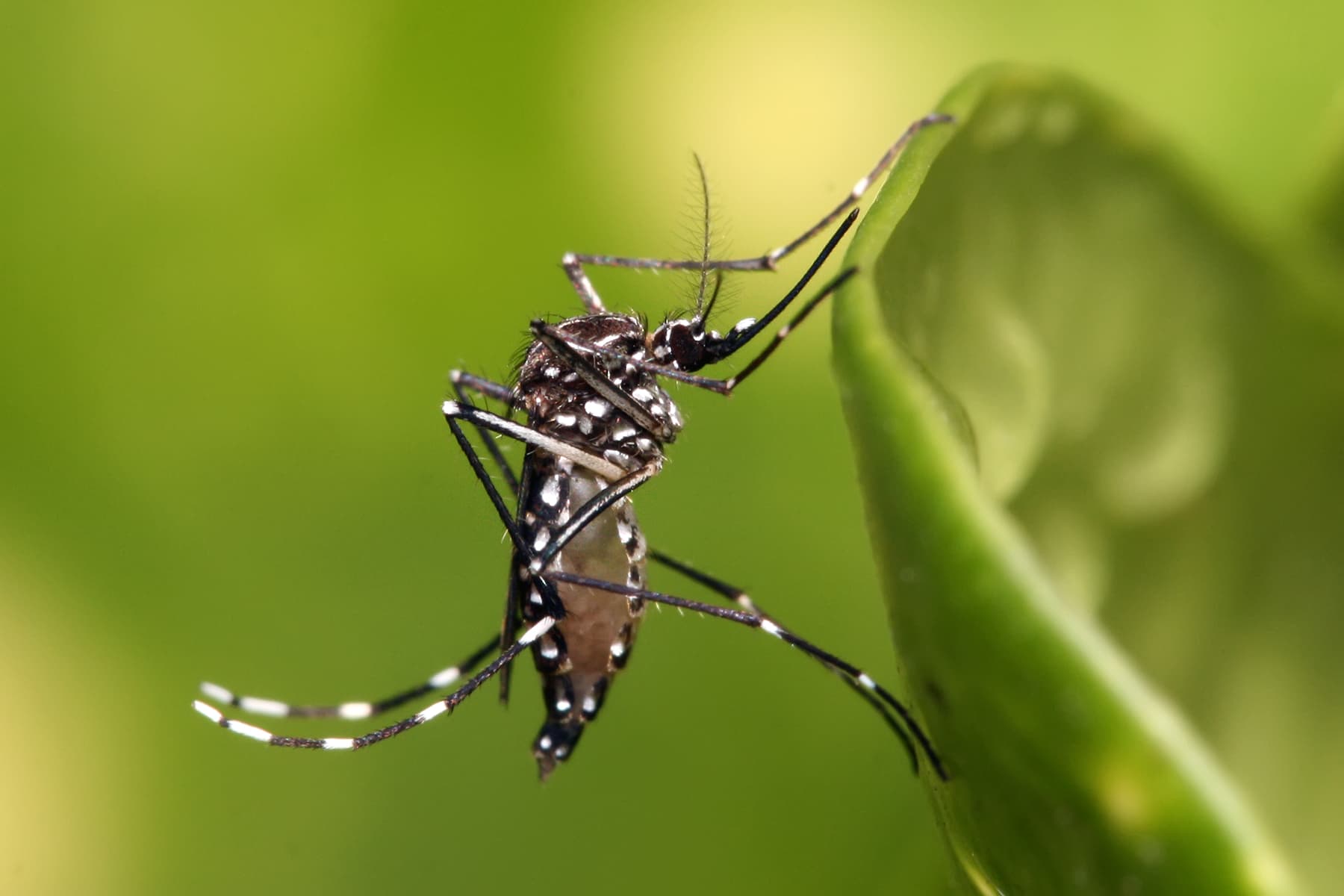
Of all the tropical diseases people worry about before coming to Vietnam, dengue is the one that actually matters. Malaria has effectively disappeared from areas where most tourists go. Zika and chikungunya are uncommon. Dengue, by contrast, is endemic, and Vietnam has seen large outbreaks — including a particularly bad year in 2022 and elevated transmission through 2024–2025.
This is general information. If you suspect dengue, see a doctor — early diagnosis matters.
How it spreads
Dengue is transmitted by Aedes aegypti and Aedes albopictus mosquitoes. These are day-biters, peaking at dawn and dusk, and they breed in tiny amounts of standing water — flowerpot saucers, blocked gutters, old tyres, the dish under your air-con unit. They are urban mosquitoes. You are at least as likely to catch dengue in central HCMC as in a jungle.
In the south (HCMC, Mekong, Phu Quoc) transmission is year-round, with a peak from June to November. In central Vietnam (Da Nang, Hoi An, Hue) the pattern is similar with a slight lull in cooler months. In the north (Hanoi, Sapa) it is more seasonal — outbreaks cluster around the monsoon and the warmer months, with cases tailing off November to March.
Symptoms
Dengue presents fast. Typical onset is 4–10 days after a bite:
- Sudden high fever, often 39–40°C.
- Severe headache, classically behind the eyes.
- Joint and muscle pain intense enough that the disease has a nickname — "breakbone fever."
- A blotchy red rash, often appearing 3–5 days in.
- Nausea, loss of appetite.
The fever often breaks around day 4 or 5 — and that is exactly when severe cases get worse, not better. Watch for warning signs in the 24–48 hours after fever breaks: abdominal pain, persistent vomiting, bleeding gums or nose, blood in stool or urine, restlessness, cold clammy skin. These mean severe dengue and require hospital admission.
A blood test confirming dengue (NS1 antigen in the first few days, IgM/IgG later) is cheap and routine at any private hospital. Long Chau and Pharmacity do not test — you need a clinic. Family Medical Practice in Hanoi, HCMC, and Da Nang turn around results within a few hours.
Treatment
There is no specific antiviral. Treatment is supportive: rest, fluids, and monitoring. Mild cases manage at home with paracetamol, oral rehydration, and check-in blood tests every couple of days to watch the platelet count.
Critically — do not take ibuprofen, aspirin, or other NSAIDs. They thin the blood and worsen the bleeding risk in dengue. Paracetamol only for fever and pain.
Severe dengue means hospital admission for IV fluids and platelet monitoring. With good care, mortality is well under 1%. Without it, severe dengue is dangerous. Do not tough it out — go to a private hospital (see hospitals by city) and get the blood test.
Travel insurance with adequate hospital cover is non-negotiable for a Vietnam trip — see travel insurance.
Prevention
Mosquito avoidance is the only proven prevention.
- DEET 30% or higher is the gold standard. Local brands (Soffell, Remos) are fine; concentrations are usually 12–13%. For higher percentages, bring from home or buy at international supermarkets.
- Picaridin 20% is an alternative if you dislike DEET.
- Long sleeves and trousers at dawn and dusk — Aedes is a day-biter, not a night-biter, so a bed net helps less than people think. Permethrin-treated clothing helps.
- Air-conditioning rooms with screened windows. Aedes does not love AC.
- Empty standing water around your accommodation if you are staying any length of time.
The vaccine
A two-dose dengue vaccine — Qdenga (TAK-003) by Takeda — was approved in Vietnam in 2024 and is now available privately at major vaccination clinics including the Pasteur Institute in HCMC and Hanoi, Vinmec, and Family Medical Practice. It is given as two doses three months apart and is suitable for people aged 4 and over, regardless of prior dengue exposure.
It is not a complete prevention — efficacy varies by serotype — but it substantially reduces the risk of severe disease. For long-stay travellers, expats, and anyone living here, it is worth a conversation with a doctor. See recommended vaccines for the full picture.
If you have had dengue before, second infections are statistically the dangerous ones — vaccination becomes more strongly indicated, not less.
Frequently asked questions
Can I catch dengue in a city like Ho Chi Minh City, or only in rural areas?
What pain relief is safe to take if I think I have dengue?
When during the illness should I go to hospital?
Where can I get a dengue blood test in Vietnam?
Is the Qdenga dengue vaccine available in Vietnam?
Do mosquito bed nets protect against dengue?
Continue reading
Comments
No comments yet.