Water and Food Safety in Vietnam
Tap water, bottled water, ice, raw herbs, and the practical rules for not getting sick while still enjoying the food.
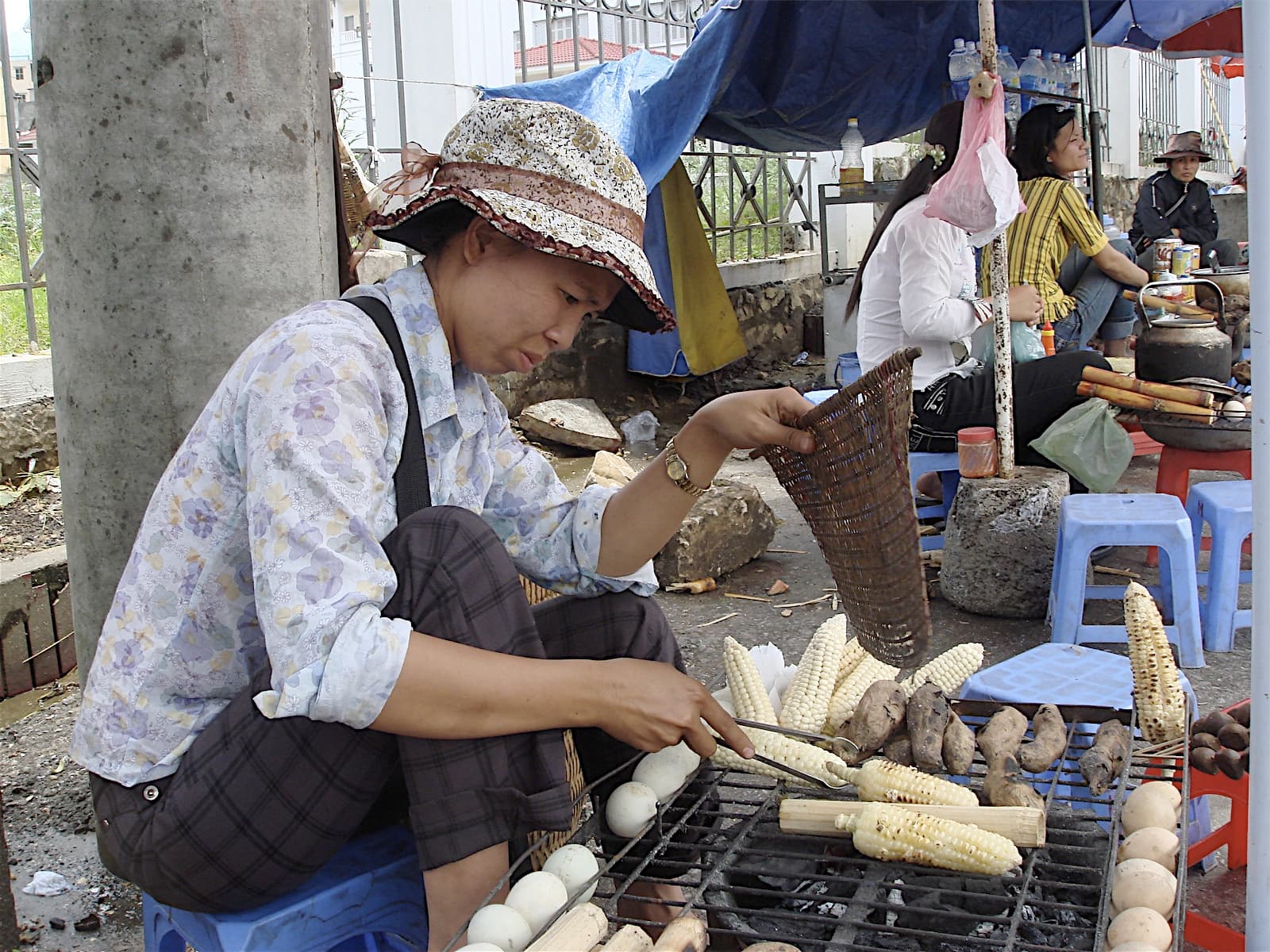
The standard advice — "don't drink the tap water, be careful with ice and salads" — is not wrong, but it is so blunt that people either ignore it or get paranoid. The actual picture is more nuanced and, once you know it, lets you eat the food you came here for without spending three days on a hotel toilet.
This is general advice, not medical guidance. If you do get sick, see common illnesses travellers face.
Water
Tap water is not for drinking. Anywhere in Vietnam. The water is treated at the municipal level but the distribution pipes are old, the rooftop tanks that most buildings use are rarely cleaned, and standards are not consistent. Most locals do not drink it either — they drink bottled or filtered water.
Bottled water is sold everywhere — convenience stores, street stalls, restaurants. A 500ml bottle is 5,000–10,000 VND, a 1.5L around 10,000–15,000. Reliable brands: Lavie, Aquafina, Dasani, Vinh Hao. Check the seal is intact.
Filtered/refilled bulk water (binh nuoc) is what most apartments and offices use — 20-litre cooler bottles delivered by motorbike for about 30,000–50,000 VND. Safe to drink.
Brushing teeth with tap water is generally fine for adults — the risk is from swallowing volume, not splashes — but if you want to be careful, use bottled.
Showers are fine. You will not get sick from showering. Avoid swallowing.
Eco-conscious: Most cafes and hotels in tourist areas will refill your bottle from a filtered source. RefillMyBottle is a free app that maps the spots.
Ice
This is where it pays to understand the system. Vietnamese commercial ice is made by industrial ice factories — machine-formed cylindrical tubes with a hole through the centre, or rectangular block ice — using filtered water. This is the ice in any cafe, bar, restaurant, or bubble tea shop you walk into. It is safe.
The grey area is crushed ice at small low-volume street stalls, where the source is unclear and the storage may be a polystyrene cooler on the pavement. The risk is not the ice per se but cross-contamination with hands and unwashed scoops. Avoid if the stall looks rough; fine at busy reputable ones.
A simple visual rule: cylindrical-with-a-hole or large clear cubes = factory ice = safe. Roughly crushed or shaved ice at a quiet stall = use judgement.
Cooked street food
Cooked street food is generally safer than you might fear, for one specific reason: it is cooked to order, very hot, and not sitting around. The risk on street food is much more about pre-prepared garnishes and sauces than about the cooked meat or noodles themselves.
The reliable indicators:
- High customer turnover. A busy stall with a queue cooks fresh and rotates ingredients fast. A quiet stall at 3 pm in a touristy area is the risky one.
- Visible cooking. You can see the wok or grill in action.
- Lots of locals eating. Locals know.
- Cleanliness of the prep area. Not spotless — that is not realistic — but not gross.
For more, see street food etiquette.
Raw herbs and salads
The pile of fresh herbs, lettuce, and bean sprouts that comes with pho, bun cha, banh xeo, and most southern dishes is part of the eating experience and you should not skip it. But it is also the most realistic vector for a stomach upset, because the herbs are washed in tap water and the standard of washing varies.
At a busy, reputable place — the same indicators as above — the herbs are usually well-washed and turned over fast. At a quiet stall, the herbs may have been sitting in a tub of grey water since breakfast.
If you are nervous in your first few days, eat the cooked components and skip the raw herbs. After a week your gut will have adjusted and you can be more relaxed.
Fruit
Whole fruit you peel yourself — banana, mandarin, mango, jackfruit, rambutan, mangosteen, dragon fruit — is safe. Pre-cut fruit at a stall depends on how it was washed and whether it has been sitting in the sun. Bun-up fruit cups from a busy stall in the morning are usually fine; the same cup at 4 pm in 33°C heat is not.
Wash fruit you bought to take home with bottled or filtered water if you are eating the skin (apples, grapes, strawberries).
Seafood, raw fish, and shellfish
Vietnam has an enthusiastic seafood culture. Cooked seafood at a busy seafood restaurant is generally safe. Raw oysters are a known hepatitis-A risk anywhere in the world and Vietnam is no exception — if you are not vaccinated, skip them. Sashimi and sushi at established Japanese restaurants in HCMC and Hanoi are safe; backstreet sushi places are a gamble.
Shellfish in the Mekong area carries a small risk of parasitic infection from contaminated water. Cooked is fine; raw, less so.
Dairy and eggs
Pasteurised milk and dairy are standard and safe. Ice cream from Vietnamese chains (Fanny, Kem Trang Tien, Hagen-Dazs) is fine. Ice cream from a roadside cart with a "Wall's" sign that may or may not be real — use judgement.
Eggs are safe but you will rarely encounter raw egg in Vietnamese cooking. Egg coffee (ca phe trung) uses cooked egg yolk.
If your stomach turns
Mild loose stools in the first week are normal — your gut flora is adjusting. The treatment is:
- Oral rehydration salts (Oresol or Hydrite, every pharmacy, see pharmacies and medication). One sachet in 200ml of bottled water, repeat as needed.
- Plain food — rice, plain bread, bananas, plain noodles. Pho broth (skip the herbs) is excellent recovery food.
- Ginger tea for nausea.
- Avoid alcohol, dairy, and very spicy food for a couple of days.
- Probiotics — a daily probiotic capsule (Florastor / Saccharomyces boulardii is the best-evidenced one) is useful both as prevention and during recovery. Available at Long Chau and Pharmacity.
When to see a doctor: fever above 38.5°C, blood in stool, persistent vomiting, signs of dehydration, or any of it lasting more than 72 hours.
Frequently asked questions
Is ice safe to drink at cafes and restaurants in Vietnam?
Can I brush my teeth with tap water in Vietnam?
Should I skip the raw herbs served with pho and other dishes?
How do I judge whether a street food stall is safe to eat from?
Are raw oysters and shellfish safe in Vietnam?
What should I do if I get a stomach upset?
Continue reading
Comments
No comments yet.