Hội An: The UNESCO Old Town and the Tailoring Capital
A 15th-century trading port preserved almost intact, famous lantern-lit nights, tailor shops on every corner, and a long quiet beach.
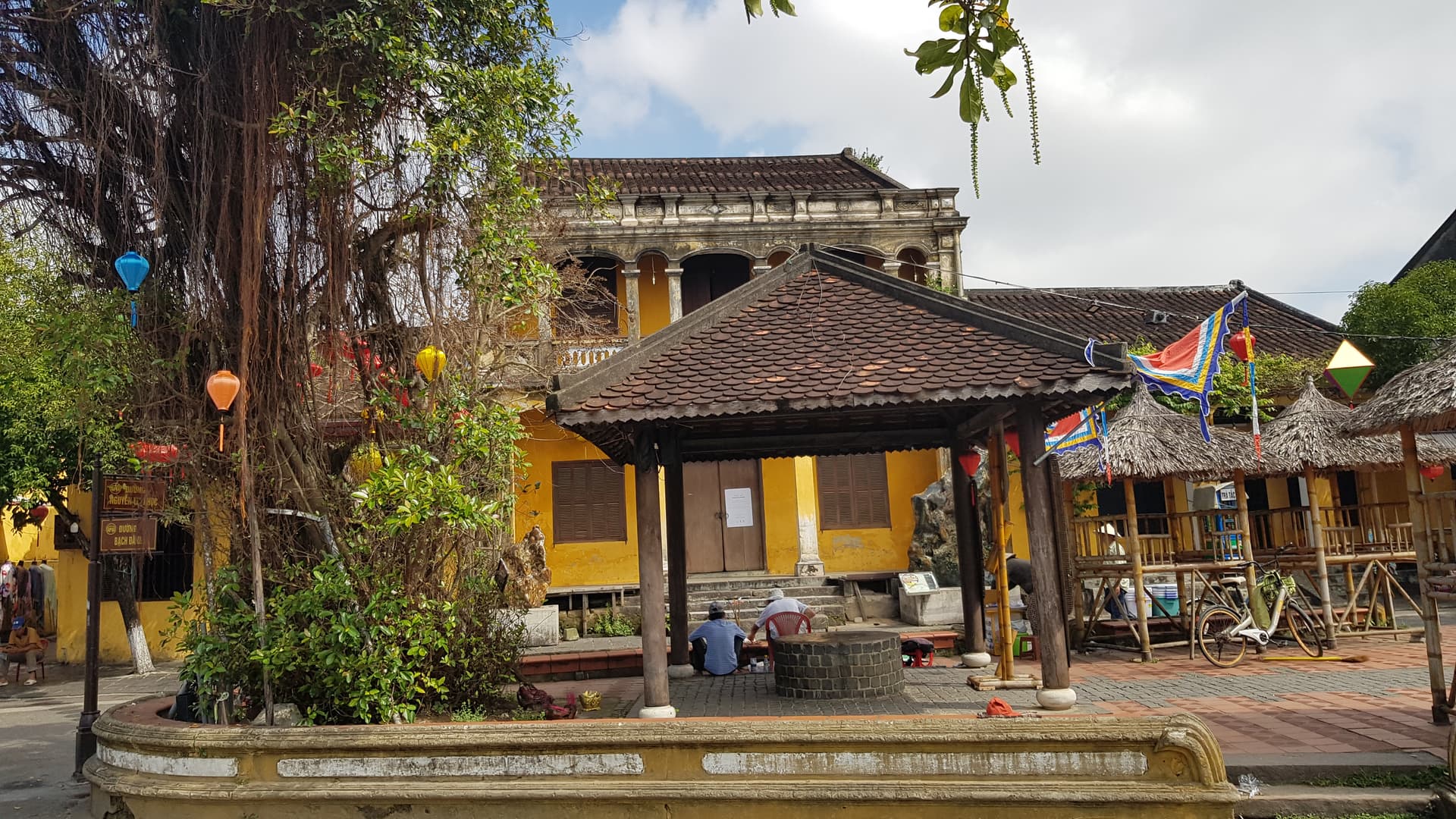
Hội An is a small UNESCO-listed town 30 minutes south of Đà NẵngĐà Nẵng (Da Nang)dah nangMajor coastal city in central Vietnam, known for its beaches, the Marble Mountains, and modern infrastructure.. From the 15th to the 19th century it was an important Southeast Asian trading port — Chinese, Japanese, Dutch, and Portuguese merchants all had quarters here. The harbour silted up, the port moved elsewhere, and the town stayed almost frozen in time.
It's the most visually distinctive small town in Vietnam and a near-mandatory stop on most itineraries. It's also unavoidably touristy. Both are true.
The old town
The historic core is small enough to walk in two hours but rewards lingering. Highlights:
- The Japanese Covered Bridge (Chùa Cầu) — late 16th century, restored several times, the town's icon.
- The Tan Ky and Phung Hung old houses — preserved merchant residences from the 18th century, open to visit with the entry ticket.
- The Chinese assembly halls — Phúc Kiến, Quảng Đông, Hải Nam — meeting halls of the historic Chinese trading communities.
- The market and riverside — busiest early morning when the boats come in.
An "old town entry ticket" (~120,000 VND) covers entry to 5 of these monuments and is required for the historic core, though enforcement is loose during quieter hours.
Lanterns
The town's signature visual is the silk lanterns — strung across streets, hung in every shop, lit at night. The full moon lantern festival on the 14th day of each lunar month makes this peak — no motorised traffic in the old town, paper lanterns floated on the river, music in the squares. Crowded but lovely.
Tailoring
Hội An has well over a hundred tailor shops. The trade dates from the cloth-trading port era. Quality varies enormously:
- Reputable establishments: Yaly Couture, A Dong Silk, Bebe Tailor, Kimmy Tailor are commonly mentioned.
- Be wary of touts pulling you off the street into "Yaly" lookalikes.
- Expect 24–48 hours for a suit; less for a shirt or simple dress.
- Bring a clear reference (photo of an existing garment, fabric swatch) — communication is better with visual references than verbal.
- Two fittings is normal; insist on a second if the first isn't right.
An Bàng / Cửa Đại beaches
About 4 km from the old town. An Bàng is the better-preserved of the two; Cửa Đại has lost significant beach to erosion. Both have cafes and beach clubs. Easy bicycle ride from town.
Food
Hội An has its own dishes:
- Cao lầu — the town's signature: thick rice noodles, pork, crisp croutons, herbs. Said to require water from a specific local well for the noodles.
- Bánh mì Phượng — the Anthony Bourdain bánh mì shop. Queues are long; the bánh mì is genuinely excellent.
- White rose dumplings (bánh bao bánh vạc) — translucent steamed shrimp dumplings, a Hội An invention.
- Mì Quảng — turmeric noodle dish, common across central Vietnam. See: Central cuisine
- Cooking classes are everywhere and generally good.
Practical
- Day trip from Đà Nẵng is possible but selling-yourself-short. Sleep at least one night to see the old town after dark and before the day-tour crowds arrive.
- No flights or trains directly to Hội An — you arrive via Đà Nẵng airport (45 min) or train station (30 min by taxi).
- Bicycles are the best way to get around — town to beach is 4 km of flat road.
- My Son Sanctuary (4th–13th century Cham temple complex) is a 1-hour drive away — half-day trip.
When to visit
- February–April — best weather, dry and mild.
- May–August — hot and humid; beaches at peak.
- September–December — wet season; can flood (the old town floods almost every year in October–November).
Quick verdict
Hội An is a living museum of a 15th–19th century Southeast Asian trading port, frozen in lantern-lit streets and preserved merchant houses. It's most loved for the visual romance of the old town at night, custom tailoring at a fraction of Western prices, and proximity to nearby beaches and temple ruins. It's not a hiking or adventure hub — it's a slow-pace, culture-and-craft destination that can feel crowded.
Best for / not ideal for
Best for:
- Romantics and photographers (especially at night or during the full-moon festival)
- First-time Vietnam visitors seeking "postcard Vietnam" in a walkable, heritage-rich setting
- Tailoring enthusiasts (suits, dresses, custom alterations in 24–48 hours)
Not ideal for:
- Backpackers on a tight timeline (one night isn't enough; better bases are Đà Nẵng or Huế)
- Those seeking outdoor adventure (it's a beach resort town and cultural site, not trekking or water sports hub)
How long to stay
Two nights minimum to see the old town before and after dark (avoiding peak day-tour hours), plus time for a beach cycle or tailoring fitting. Four nights is ideal if you're pairing it with a My Son temple day trip or Đà Nẵng day trip. One night is possible but misses the town's main draw — the lantern-lit evenings.
Climate by month
February–April is the best window: dry, mild, and comfortable. May–August brings heat and humidity (but beach season) with occasional heavy rain. October–November is peak flood season; the old town regularly floods. For detailed seasonal rainfall and temperature, see.
Day trips from here
- My Son Sanctuary (1 hour by car) — 4th–13th century Cham temple ruins in a valley, UNESCO site, can be visited as a guided half-day trip.
- Đà Nẵng beaches & Marble Mountains (30 min) — Mỹ Khánh and Mỹ An are closer-to-town alternatives to An Bàng; the Marble Mountains offer cave temples and city views.
- Thanh Hà pottery village (20 min) — traditional earthenware workshops and a traditional boat tour of the surrounding waterways.
- Tra Que vegetable village (15 min) — working organic farms where visitors can help with planting/harvesting, then cook with the produce.
Local transport
Walking is the main mode in the old town; bicycles (rentable everywhere for ~50,000 VND/day) are the best for the beach and nearby villages. Within town and to Đà Nẵng, Grab and Be (app-based) handle most taxi rides. Motorbike taxis (xe ôm) are cheap but require negotiation; use Grab for fixed prices. The town is compact enough that walking covers most essential moves.
Frequently asked questions
Do I need to buy an old town entry ticket?
How long does tailoring take, and how do I avoid poor quality?
When is the lantern festival, and is it worth planning around?
Can I visit Hội An as a day trip from Đà Nẵng?
Should I avoid visiting in October or November?
Continue reading
Comments
No comments yet.