The Vietnam E-Visa: 90 Days, Multiple Entry, All Nationalities
Since 2023 the Vietnam e-visa is open to citizens of every country, valid for up to 90 days, with single or multiple entry.
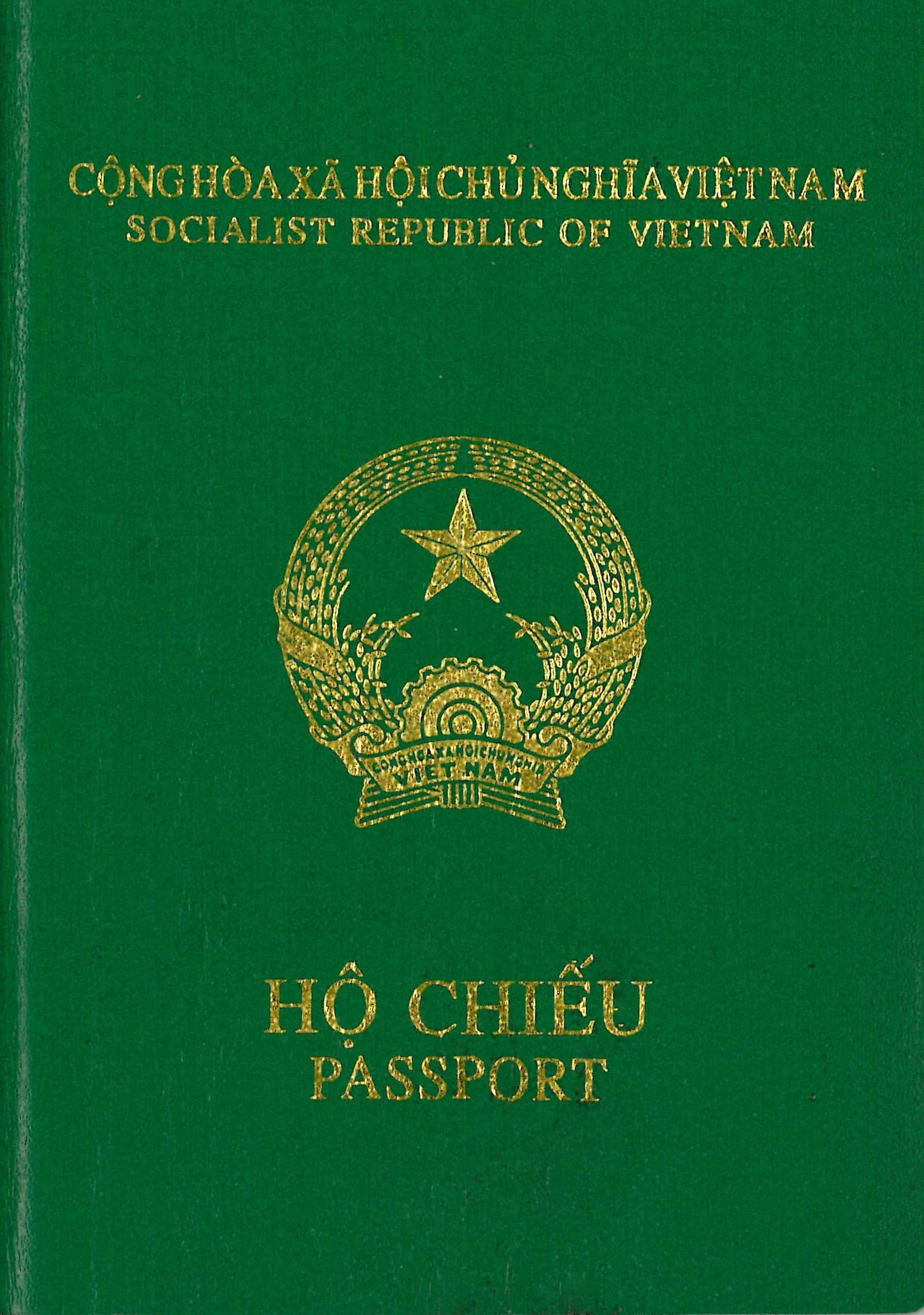
The Vietnam e-visa is the standard tourist and business visa for almost everyone visiting Vietnam. As of 2023 reforms, it is available to citizens of all countries and territories, valid for up to 90 days, with single or multiple entry.
Cost
- Single-entry: $25
- Multiple-entry: $50
Paid online by card. The fee is non-refundable even if your application is denied.
How to apply
- Go to the official portal: https://evisa.gov.vn (or https://thithucdientu.gov.vn). Both are real and government-run; beware lookalike sites that charge a markup.
- Upload a passport-style photo (4×6 cm, white background) and the photo page of your passport.
- Fill in the form — personal details, intended entry date, entry/exit ports, address in Vietnam, purpose of visit.
- Pay $25 or $50.
- Receive an application code. Save it.
Processing time
Officially 3 business days. Often faster. Sometimes slower. You can check status using your application code. Don't book flights tight against the issue date.
What you get
A PDF e-visa to print and bring to the airport (or save to your phone). Border officers will scan it and stamp your passport.
Conditions
- Passport must be valid for at least 6 months beyond your planned entry, with at least two blank pages.
- Entry/exit ports — you list them in the application and you must use them. If you change plans and arrive at a different airport or land border, the airline may deny boarding or you may be denied entry. Some flexibility but don't assume.
- Address in Vietnam — a hotel name and city is fine. Doesn't need to be exact.
What it lets you do
- Tourism, business meetings, conferences, short courses — all OK.
- Work — NOT OK. The e-visa is not a work permit. Doing paid work in Vietnam on this visa is technically illegal and risks deportation and re-entry ban if discovered. Remote work for a non-Vietnamese employer sits in a grey zone; many digital nomads do it; technically the legal position is unclear.
- Long-term residence — NO. After 90 days you must leave.
Extending or switching
- You cannot extend an e-visa from inside Vietnam in any straightforward way. The previous practice of "visa runs" — short trips to Cambodia and back — still works but uses up entries.
- For longer stays, switch to a different visa class if one fits — work permit + TRC, investor visa, marriage visa, student visa. If none fit (general remote workers, retirees with no Vietnamese tie), read the reality check — Vietnam has no confirmed general long-stay route for those cases.
Visa-on-arrival (legacy)
The old "visa on arrival" — where you got a pre-approval letter via an agent, then paid at the airport — still technically exists for some categories (urgent travel, charter flights). The e-visa has replaced it for almost everyone. Don't use a paid "visa agent" unless you have a specific reason.
Visa-exempt countries
Around two dozen countries get 45-day visa-free entry under Vietnam's exemption scheme: UK, France, Germany, Italy, Spain, Sweden, Denmark, Norway, Finland, Russia, Japan and South Korea among them, with most ASEAN neighbours on 30 days and Chile and Panama on 90. You can use this for short trips without an e-visa, then leave and re-enter on the e-visa if you want longer.
A note on speed and reliability
The e-visa system works well most of the time. Common failure modes:
- Rejected application, no specified reason. Usually means a poor passport scan or photo. Reapply with cleaner images.
- Site down at peak hours — try late evening or early morning Vietnam time.
- Status stuck at "processing" for over a week — write to the contact email on the portal with your application code.
For most visits: apply 2–3 weeks before, print the PDF, and you're fine.
What this does NOT let you do
- Take paid employment with a Vietnamese employer — that requires a work permit and the correct visa class (typically LD). Doing paid work on an e-visa is illegal under Vietnamese labour law and risks deportation and a re-entry ban.
- Stay beyond 90 days without leaving — the e-visa grants a maximum 90-day stay from entry. There is no in-country extension process; once the period lapses you must depart.
- Change your listed entry or exit port freely — the ports you specify at application are fixed. Arriving at a different airport or land crossing may result in airline denial or border refusal; anyone planning a last-minute change should verify with the Vietnamese embassy in their country first.
- Sponsor or host foreign visitors — sponsorship and hosting rights attach to residence permits and business licences, not to an e-visa.
- Use Vietnam as a base for long-term remote work with any certainty — the legal position for remote workers employed by non-Vietnamese companies remains unconfirmed. Anyone relying on this approach may need to verify with the Vietnamese embassy in their country whether their activity requires a different visa class.
- Renew or extend from inside Vietnam — there is no standard in-country extension for the e-visa. Re-entry is possible after a border run, but each stay is capped at 90 days from the new entry stamp.
Refer to the digital nomad reality check or the retirement reality check where remote work or retirement comes up — Vietnam has no confirmed general route for either.
Verify before acting. Visa rules change. Confirm with the Vietnamese embassy in your country or evisa.gov.vn before relying on any specific limitation here.
Frequently asked questions
How much does the Vietnam e-visa cost, and is the fee refunded if my application is rejected?
How long does e-visa processing take, and what should I do if my status is stuck?
Can I arrive at a different airport or land border than the one I listed on my application?
Can I extend my e-visa or stay beyond 90 days without leaving Vietnam?
Is remote work for a foreign employer permitted on a Vietnam e-visa?
Do citizens of visa-exempt countries still need an e-visa for short visits?
Continue reading
Comments
No comments yet.