Vietnam Student Visa (DH)
The DH visa for enrolled students — language courses, undergraduate, postgraduate, and research stays at Vietnamese universities.
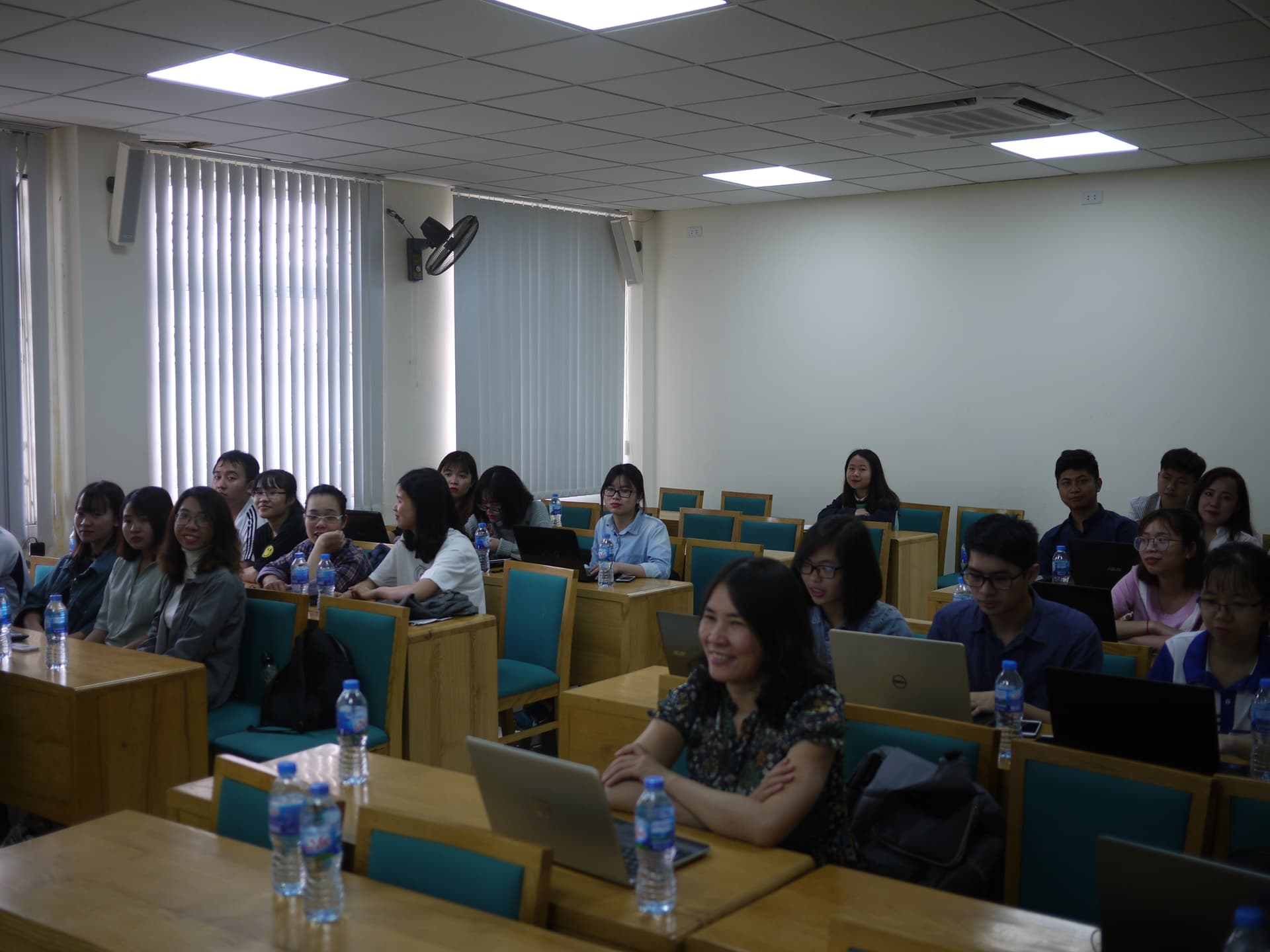
The DH visa is for foreign nationals enrolled in a recognised Vietnamese educational institution. It covers Vietnamese-language courses, undergraduate and postgraduate programmes, exchange semesters, and research stays. Validity matches the duration of the enrolment letter from the host institution.
Rules current as of 2026-05-17. Confirm with the host institution's international office and the Provincial Immigration Department before applying.
Eligibility
Anyone with a valid enrolment letter from a recognised Vietnamese institution. There is no nationality restriction, no age restriction, and no minimum-stay requirement beyond what the programme itself demands.
Common student categories:
- Vietnamese language students at university language centres (very common — short-term programmes from 3 to 12 months)
- Undergraduate degree students at Vietnamese universities (4-year programmes; tuition ranges roughly $1,500–4,000/year at public institutions, more at private)
- Postgraduate students (MA, MSc, MBA, PhD)
- Exchange programme students for one or two semesters
- Research students and visiting scholars
Common host institutions
| Institution | Notable for |
|---|---|
| Vietnam National University, Ho Chi Minh City (VNU-HCMC) | Largest in the south; strong language programme |
| Vietnam National University, Hanoi (VNU-Hà Nội) | Largest in the north; major research university |
| Ho Chi Minh City University of Foreign Languages and Information Technology (HUFLIT) | Popular for language programmes |
| University of Social Sciences and Humanities (USSH HCMC and Hanoi) | Vietnamese-language certificates, social sciences |
| RMIT Vietnam | Australian university with HCMC and Hanoi campuses; English-taught degrees |
| Vietnam-Germany University (VGU) | Engineering, in partnership with German universities |
| Fulbright University Vietnam | English-taught liberal arts in HCMC |
Vietnamese-language programmes specifically attract a steady stream of expat-to-be students who use the year to settle, find work, and convert to a work permit.
Documents
| Document | Notes |
|---|---|
| Passport | 6+ months validity |
| Photos | 2×3 cm and 4×6 cm, white background |
| Enrolment letter | From the host institution, on letterhead, with programme dates and tuition status |
| Tuition receipt or scholarship letter | Confirming you've paid or are funded |
| Health check | From an approved Vietnamese hospital (some institutions require) |
| Application form | NA1 (from outside) or NA5 (from inside Vietnam) |
| Police clearance | Required by some institutions; rarely by Immigration directly |
Validity
The DH visa matches the duration of your enrolment:
- Short-term language courses (3–6 months): single or multiple entry, matching dates
- Annual programmes: 1-year multiple entry, renewable
- Multi-year degree programmes: typically issued 1 year at a time, with TRC conversion possible for stays beyond 1 year
Process
- Apply to the host institution and receive the enrolment letter.
- Pay tuition or secure scholarship funding and obtain the receipt.
- Apply for the DH visa:
- From outside Vietnam: at a Vietnamese embassy or consulate.
- From inside Vietnam: at the Provincial Immigration Department (PA61 in HCMC, PA72 in Hanoi).
- For stays beyond 1 year, the institution can sponsor a TRC application — see Temporary Residence Card.
Cost
- DH visa fee: $25–155 depending on duration and entry type
- TRC (if applicable): $145 for up to 1 year
- Tuition: varies wildly by institution and programme
What it lets you do
- Reside in Vietnam for the duration of the programme
- Multiple entries during validity
- Conduct study, research, and unpaid academic activities
- Convert to a work permit after graduation (very common pathway) — see work permit
What it does not do
- Authorise paid work while on the DH visa. Part-time work for foreign students is technically a grey area; teaching English on the side without a work permit is illegal and can result in visa cancellation.
- Cover dependents automatically — spouses and children need separate visas (typically TT or dependent class).
- Confer permanent residency directly — long-term residency requires graduating onto a work permit, marriage, or investor route.
Converting to a work permit on graduation
A common pathway: complete a Vietnamese-language certificate or degree → take a job with a Vietnamese employer → employer sponsors a work permit → switch from DH to LD visa class → apply for a TRC.
The graduation diploma from a recognised Vietnamese institution can serve as the qualifying credential for the work permit, removing the need for an apostilled home-country degree.
Common pitfalls
- Enrolment letter doesn't match application duration. Immigration cross-checks; mismatches mean rejection.
- Tuition not paid before applying. Visa is contingent on real enrolment, not intention to enrol.
- Working on the side. Common but illegal; risks deportation and re-entry ban.
- Letting the visa lapse during a summer break. Plan the renewal cycle around the academic year.
What this does NOT let you do
- Take paid employment with any Vietnamese employer — paid work, including part-time or freelance work for a local business, requires a work permit and a switch to the LD visa class. The DH visa does not authorise any form of paid labour.
- Conduct paid remote work for a foreign employer as a legal right — Vietnam has no confirmed digital-nomad visa. Working remotely on a DH visa sits in a legal grey area; holders who wish to clarify their position may need to verify with an immigration lawyer and the Provincial Immigration Department.
- Sponsor dependent family members — spouses, children, or other dependents cannot be added to a DH visa holder's status automatically; each dependent may need to verify the correct visa class (typically TT) with the nearest Vietnamese embassy or consulate.
- Remain in Vietnam after the enrolment period ends — once the programme finishes, the DH visa expires. Holders who intend to stay must convert to an appropriate visa class (e.g. LD via a new employer sponsorship) before the expiry date.
- Count study years toward permanent residency directly — long-term lawful permanent residency requires a separate qualifying route (work permit, marriage, or investor); years spent on a DH visa alone do not accumulate toward PR.
- Continue after a transfer to a different institution without updating the visa — changing institutions typically requires a new enrolment letter and a fresh visa application; continuing under the old DH visa without notifying Immigration may need to be verified with the Provincial Immigration Department before the transfer is finalised.
Refer to the digital nomad reality check or the retirement reality check where remote work or retirement comes up — Vietnam has no confirmed general route for either.
Verify before acting. Visa rules change. Confirm with the Vietnamese embassy in your country or evisa.gov.vn before relying on any specific limitation here.
Frequently asked questions
How long is a DH visa typically valid?
Can I work part-time while on a student visa?
What documents does the enrolment letter need to include?
Can I convert my student visa to a work permit after graduating?
Do my dependents need separate visas?
What happens to my visa if I transfer to a different institution?
Continue reading
Comments
No comments yet.