Vietnamese Pop Music (V-pop): Sơn Tùng, Mỹ Tâm and the Underground Rap Scene
V-pop is no longer derivative — Sơn Tùng M-TP, Mỹ Tâm and Hà Anh Tuấn dominate the mainstream while Đen Vâu and Suboi lead a serious rap underground.
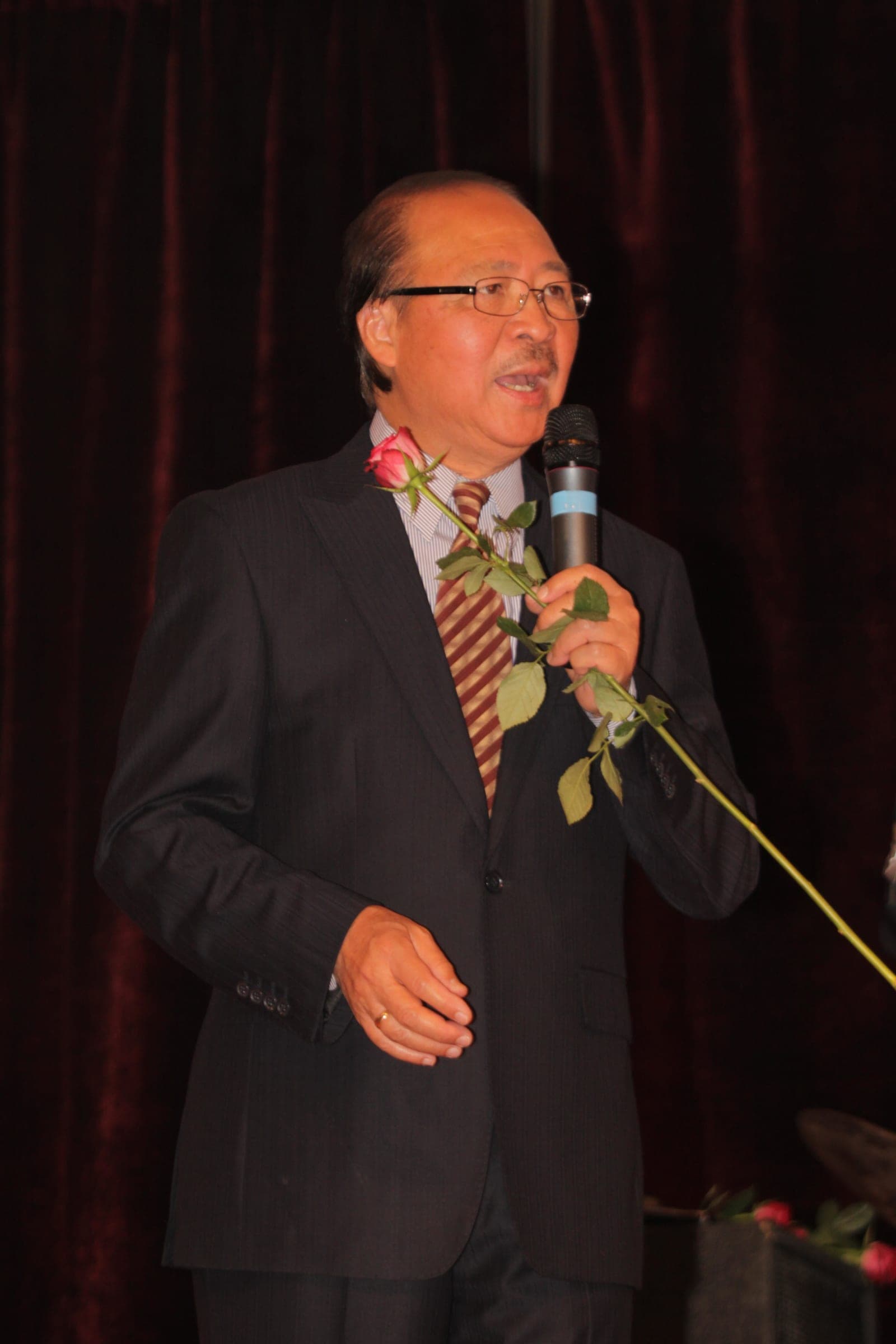
V-pop in 2026 is a confident, locally-rooted industry. It used to imitate K-pop and Cantopop; now it exports back to Southeast Asia, and the biggest acts sell out 20,000-seat arenas in Hanoi and Ho Chi Minh City without overseas promotion.
What V-pop is
The umbrella term covers everything Vietnamese-language and post-2000 pop, including ballads, dance-pop, rap and indie folk. The defining figures are:
- Sơn Tùng M-TP (Nguyễn Thanh Tùng, b. 1994). The biggest male star of the past decade. His 2017 hit "Lạc Trôi" was Vietnam's first YouTube video to pass 200 million views; his label M-TP Entertainment runs an in-house production line.
- Mỹ Tâm (b. 1981). The dominant female vocalist since the early 2000s. Releases mature adult-contemporary pop, runs her own label MT Entertainment, and remains the benchmark for live vocal performance.
- Hà Anh Tuấn (b. 1984). The thinking person's pop singer — acoustic-leaning, literary lyrics, sold-out "Romance" concert series at venues like the Hanoi Opera House.
Behind them are female soloists like Hoàng Thùy Linh and Mỹ Anh, ballad king Trúc Nhân, and a growing crop of BlackPink-influenced girl groups including LIME and the trainee-system group VPLUS.
The rap underground
Vietnamese rap broke into the mainstream around 2020 with the TV competitions Rap Việt and King of Rap. The serious figures predate that boom.
Đen Vâu (Nguyễn Đức Cường) made his name with slice-of-life narrative rap delivered in a calm conversational flow; his collaborations with singers like Phương Anh Đào regularly trend nationally. Suboi (Hàng Lâm Trang Anh) is the country's most internationally recognised rapper, performing in Vietnamese to American audiences and turning down major label deals to keep editorial control.
Newer voices include MCK, tlinh, HIEUTHUHAI and Wxrdie, who push harder production and English-Vietnamese code-switching.
Streaming and live
Local streaming runs on Zing MP3 and NhacCuaTui, both freemium and ad-supported. Spotify entered Vietnam in 2018 and has grown fast among younger urban listeners; YouTube remains the single largest discovery channel for music videos.
Live, the major venues are the Hanoi Opera House, Cung Văn hóa Hữu nghị Việt Xô, Phú Thọ Indoor Stadium in Saigon and the open-air Mỹ Đình National Stadium for tour-stop level shows. HOZO Festival (Hồ Hoàn Kiếm music festival) in Hanoi and Hay Glamping Music Festival outside Hanoi are the main festival-format events.
What visitors should know
If you only sample one V-pop track, try Sơn Tùng M-TP's "Chúng Ta Của Hiện Tại" for the mainstream sound and Đen Vâu's "Bài Này Chill Phết" for the rap side. Concert tickets sell through Ticketbox.vn and TicketGo; foreign cards usually work. Most venues are non-smoking and ID-checked; bring your passport for arena shows.
Karaoke (KTV) parlours are the most authentic way to experience V-pop. Chains like Icool and Kingdom Karaoke in big cities have private rooms with up-to-date track libraries — the going rate is around 200,000 to 400,000 đồng per hour per room.
Honest take
V-pop is past the imitation stage but still finds it hard to crack non-diaspora markets. The production polish now equals K-pop on the high end, and the rap scene has genuine artistic identity rather than copy-paste US trap. Live performance quality is variable: arena tours are reliably good, but smaller club shows can suffer from poor sound engineering. For visitors, the easier wins are big-city festivals and KTV nights with Vietnamese friends.
What it is and why it matters
V-pop is Vietnam's dominant contemporary music industry—a confident, locally-rooted ecosystem where homegrown stars now rival regional competitors. From Sơn Tùng M-TP's stadium tours to Đen Vâu's narrative rap and the rising girl-group wave, V-pop reflects urban aspirations, romantic idealism, and a generation speaking its own language rather than importing formulas. Live V-pop defines weekend social life in Hanoi and Ho Chi Minh City, shaping fashion, slang, and the soundtrack to Vietnamese youth culture across Southeast Asia.
Where to see or experience it
Hanoi's Phú Thọ Indoor Stadium and Cung Văn hóa Hữu nghị Việt Xô host the biggest touring shows (December–February peak season); Ho Chi Minh City's equivalent is Phú Thọ Sports Palace. The HOZO Festival in Hồ Hoàn Kiếm (Hanoi, typically autumn) draws 20,000+ fans for three-day lineups of mainstream and rap acts. For intimate access, KTV karaoke parlours—ubiquitous in District 1 (Saigon) and the Old Quarter (Hanoi)—are where locals experience V-pop nightly. Check Ticketbox.vn for concert schedules and book 2–3 weeks ahead for major shows.
Visitor etiquette
- Do sing at KTV with enthusiasm: Vietnamese karaoke is participatory and social; declining a turn at the microphone reads as unfriendly. Choose a song (Vietnamese or English) and commit to it.
- Don't monopolise the stage or skip V-pop tracks: Balance English hits with V-pop selections to honour the space and your hosts' culture.
- Respect the artist hierarchy: Avoid critical comments about Sơn Tùng M-TP or Mỹ Tâm in casual conversation—they hold genuine cultural reverence.
Cost and timing
Concert tickets range from 200,000 to 1,200,000 đồng ($8–$50 USD) depending on the artist and venue; book early for sold-out shows. KTV rooms cost 200,000–400,000 đồng per hour for 4–6 people, with food and drinks ordered separately. Dress casually for KTV; concert venues have no strict code but arena shows benefit from arriving early (gates open 1–2 hours before curtain). Winter (November–February) is peak concert season.
Related reading
-
/culture/traditional-vietnamese-music — contrast with ancient court and folk music
-
/culture/vietnamese-cinema — V-pop soundtracks and film crossovers
-
/regions/hanoi — HOZO Festival and arena venues
-
/regions/ho-chi-minh-city — live music venues and KTV culture
Continue reading
Comments
No comments yet.