Gia Lai Province
Central Highlands province built around Pleiku, the Biển Hồ volcanic crater lake, coffee country and the Jarai ethnic minority heartland.
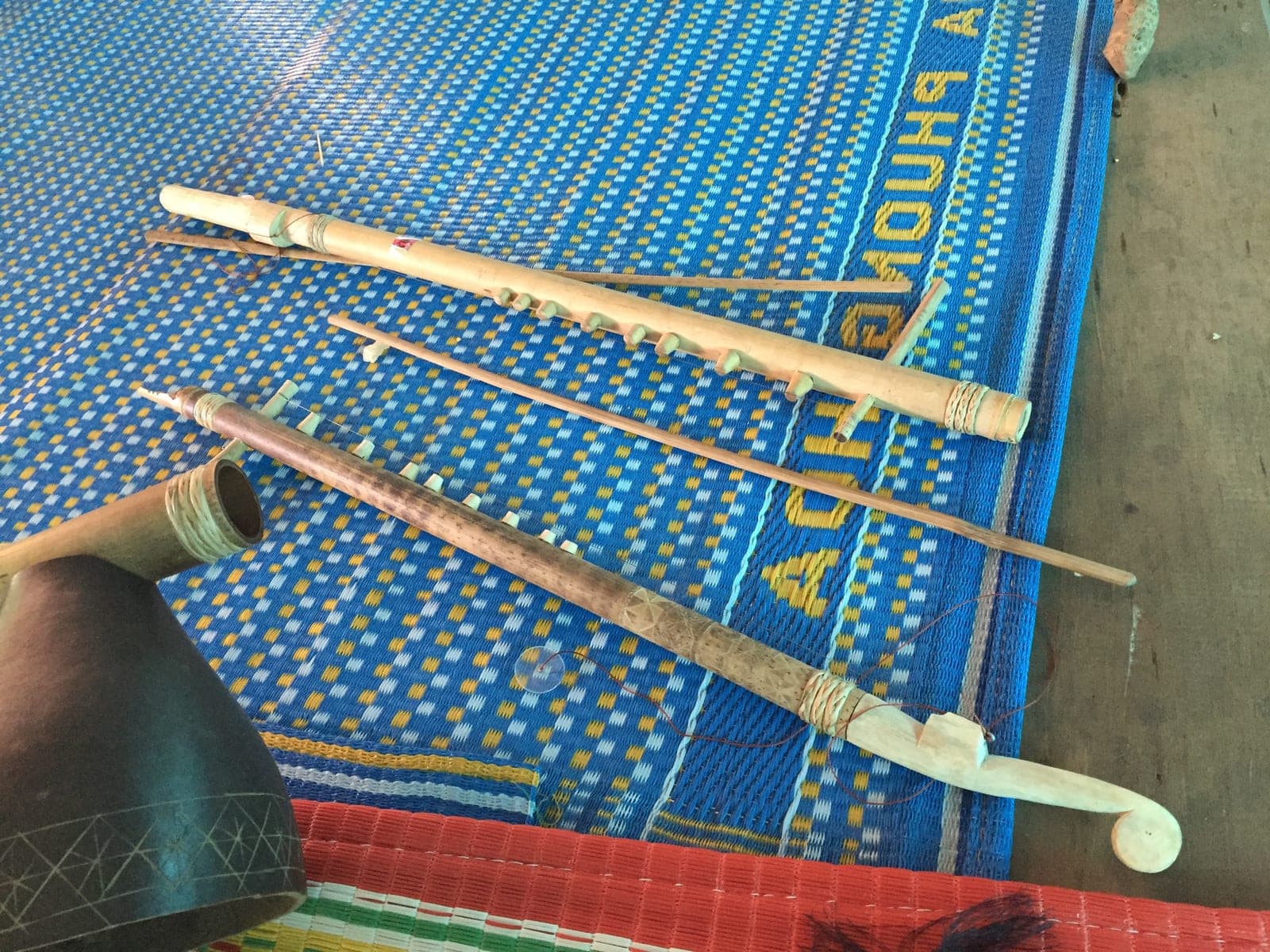
Gia Lai is the middle slice of the Central Highlands — Pleiku at its centre, the Biển Hồ crater lake on its outskirts, coffee and rubber estates on its red-earth plateau, and a long border with Cambodia in the south-west. It is one of the least-touristed provinces in Vietnam, and travel here rewards a bit of patience.
What's distinctive
The province is the historical heartland of the Jarai (Gia Rai) people, one of the largest Austronesian-language ethnic groups in Vietnam. Their traditional villages have distinctive carved-figure tombs, the most striking funerary art in the country. Gia Lai also produces a significant share of Vietnam's coffee, second only to Đắk Lắk, and you will smell roasting beans walking around Pleiku.
What to see
- Biển Hồ ("Sea Lake," Hồ T'Nưng) — a circular volcanic crater lake just outside Pleiku, surrounded by pine and coffee. The lake supplies Pleiku's drinking water, so swimming is not allowed; walk the rim instead.
- Biển Hồ Chè — adjacent tea plantation with a photogenic pine avenue.
- Plei Ốp village — Jarai community on the edge of Pleiku with a traditional Rông (communal long-house) and easy access for visitors.
- Yaly hydropower lake — a large reservoir on the Sê San river with viewpoints; popular with Vietnamese day-trippers.
- Kon Ka Kinh National Park — primary rainforest east of Pleiku. Multi-day trekking with park-arranged guides.
- Hồ Ayun Hạ — large irrigation lake south of the city.
- Pleiku city — small, low-rise, defined by its central park (Diên Hồng), several large coffee houses and the old American-war "Hill 875" base sites in the surrounding hills.
- Stone bridge of Pleiku (Đập Tân Sơn) — minor but pleasant evening walk.
- Phú Cường waterfall — small but easy day trip.
- Tomb-figure villages — the traditional Jarai cemeteries with carved wooden mourning figures are mostly in Chư Pưh and Krông Pa districts; hire a local guide.
How to get there
| From | Mode | Time | Price (approx.) |
|---|---|---|---|
| HCMC | Flight to Pleiku (PXU) | 1 hr 10 | 900k–1.8m VND |
| Hà NộiHà Nội (Ha Noi)hah noyCapital of Vietnam, in the north. Population ~8 million. 1,000+ years as a Vietnamese capital. | Flight | 1 hr 50 | 1.2–2.2m VND |
| Đà Nẵng | Bus | 10 hr | 250k VND |
| Quy Nhơn | Bus over An Khê pass | 4 hr | 150k VND |
| Kon Tum | Bus or van | 1.5 hr | 80k VND |
| Buôn Ma Thuột | Bus | 4 hr | 150k VND |
Pleiku airport (PXU) has multiple daily flights from HCMC and Hà Nội. The road from Quy Nhơn over An Khê pass is scenic and a good way to combine coast and highlands.
When to visit
| Period | Verdict |
|---|---|
| Nov–Apr | Best — dry season, blue skies, cool evenings |
| Dec–Mar | Coolest; coffee flowers in white bloom in Feb–Mar |
| May–Oct | Wet; afternoon downpours; greener landscape |
| Mar | Coffee blossom; a brief, fragrant spectacle |
The plateau sits at around 800 m, so days are pleasant and nights cool year-round.
Where to stay
| Hotel | Style | Price range |
|---|---|---|
| Pleiku Hotel | Reliable mid-range city | 600–900k VND |
| Mường Thanh Holiday Pleiku | Mid-range business | 700k–1m VND |
| Khách sạn Quê Hương | Functional budget | 300–500k VND |
| Plei Ốp homestays | Basic Jarai village stay | 200–400k VND |
There is little luxury infrastructure. Plan around functional rather than charming.
Practicalities
- The province is best explored by motorbike or hired car. Public transport between districts is poor. See transport/motorbike-rental.
- The border-region districts require permits if you intend to cross into Cambodia; check at Lệ Thanh border gate.
- Coffee is everywhere — try the local single-origin (Robusta, primarily) at Thu Hà, Cội Nguồn or Lá Cafe.
- ATMs reliable in Pleiku only.
Food / what to eat
- Phở khô Gia Lai — "dry pho," served as two bowls: dry noodles with topping in one, clear broth in the other. The provincial signature.
- Bún cua thối — fermented field-crab noodle soup. An acquired taste with a strong smell, beloved by locals.
- Bò một nắng — beef sun-dried for one day, then grilled. Often eaten with kiến vàng (yellow-ant) salt.
- Cà phê Pleiku — try the local roasters; the coffee here has a heavier, more chocolaty Robusta profile.
Related: Kon Tum, Đắk Lắk, Đắk Nông, Central Vietnam.
Bình Định
Bình Định, the coastal province around Quy Nhơn, is now part of Gia Lai, adding a stretch of central coastline to what was previously a landlocked highlands province. It is known for its beach city, well-preserved Champa brick towers and the heritage of the 18th-century Tây Sơn brothers.
Quy Nhơn itself is a clean crescent-bay beach city — calm water, decent seafood, low-key resorts, almost no neon — that has spent the last decade quietly becoming what Nha Trang used to be. The beach fronts Xuân Diệu street and is used genuinely by locals at dawn and dusk; the town itself is walkable.
The province is the heartland of the late Champa kingdom, with more Cham towers than any other province in Vietnam. Tháp Đôi (Twin Towers) sits inside Quy Nhơn city (20k VND, a 20-minute visit), while the four-tower Bánh Ít group, better-preserved and almost empty, is 20 km north on a hill. Bình Định is also the home of the Tây Sơn uprising, which produced Quang Trung (Nguyễn Huệ), the only Vietnamese emperor to defeat both the Chinese and the Siamese in the same decade. The Bảo tàng Quang Trung museum in Tây Sơn district runs martial-arts demonstrations on weekends, part of the local võ Bình Định tradition.
North of the city, Eo Gió ("Windy Strait") is a sea-cliff bay with a clifftop walkway (25k VND, about an hour) and one of the best views on the central coast. Kỳ Co Beach, reached by speedboat from Nhơn Lý fishing village or a tougher 4WD road, has bright turquoise water and draws crowds of day-trippers. Hầm Hô is a river-and-rocks swimming and kayak spot popular with Vietnamese families.
Food is a real strength: bánh xèo tôm nhảy (crispy pancakes with live-jumping shrimp) is the regional specialty, best at Mỹ Cảnh or Anh Vũ; bún chả cá Quy Nhơn (fishcake noodle soup) is the local breakfast; nem chợ Huyện (fermented pork) is the province's best-known souvenir food; and bánh hỏi cháo lòng pairs fine rice-vermicelli sheets with pork-organ porridge. Sea swimming is best Feb–Aug; Sep–Nov is storm season and the sea is often closed for swimming.
Quick verdict
Gia Lai is a quietly rewarding Central Highlands province centered on Pleiku, Vietnam's coffee heartland. It's best known for the stunning Biển Hồ volcanic crater lake and the Jarai ethnic minority's intricately carved burial figures, a genuinely distinct funerary tradition. Visitors should expect a low-key, laid-back mountain town experience — minimal crowds, excellent local coffee, and easy access to rainforest trekking and minority villages.
Best for / not ideal for
Best for:
- Serious coffee enthusiasts seeking single-origin Robusta at source and roastery tours
- Trekkers and nature lovers aiming for Kon Ka Kinh's primary rainforest without the Sapa crowds
- Cultural travellers interested in living Jarai villages and traditional burial-figure cemeteries
Not ideal for:
- Beachgoers or luxury resort seekers — Gia Lai has neither
- Visitors on tight schedules; the slow pace and patchy transport reward patience over rushing
How long to stay
Pleiku works as a 2–3 night base if you're combining Central Highlands provinces (Kon Tum and Đắk Lắk are each 1.5–4 hours away by bus). If you intend a multi-day trek into Kon Ka Kinh or a deeper dive into Jarai villages, plan 3–4 nights. Day-trippers from Quy Nhơn are feasible but exhausting; the 4-hour bus ride and high-altitude pace eat into daylight.
Climate by month
Nov–Apr delivers the best experience: crisp mountain mornings (12–18°C), dry afternoons, and blue skies. Feb–Mar are spectacular if you catch coffee blossoms, which blanket the plantations in white fragrance. May–Oct turns wet, with daily downpours in the afternoon — muddy trails, lush scenery, and fewer tourists.
Day trips from here
- Kon Tum — 1.5 hours by bus; equally quiet highlands town with its own wooden churches and Bahnar villages
- Quy Nhơn — 4 hours over the scenic An Khê pass; coastal town combining coast-and-highlands in one journey
- Đắk Lắk — 4 hours by bus; larger coffee province with more commercialized elephant camps and waterfalls
Local transport
Grab is available in Pleiku town itself, but unreliable outside the city (drivers accept fewer long-distance requests). Most visitors hire a motorbike (100–150k VND/day) or a full-day car+driver (900k–1.2m VND) to explore villages, lakes, and national park entrances. Walking Pleiku's flat city centre is pleasant; taxis exist but aren't metered. For the border districts and rural villages, a motorbike is essential.
Frequently asked questions
Can you swim in Biển Hồ lake?
What is the best time of year to visit Gia Lai?
How do you get around Gia Lai province?
Continue reading
Comments
No comments yet.