Sapa: Rice Terraces and Hill-Tribe Trekking
The famous hill town in the northern mountains — terraced rice paddies, H'mông and Dao villages, and Fansipan, Vietnam's highest peak.
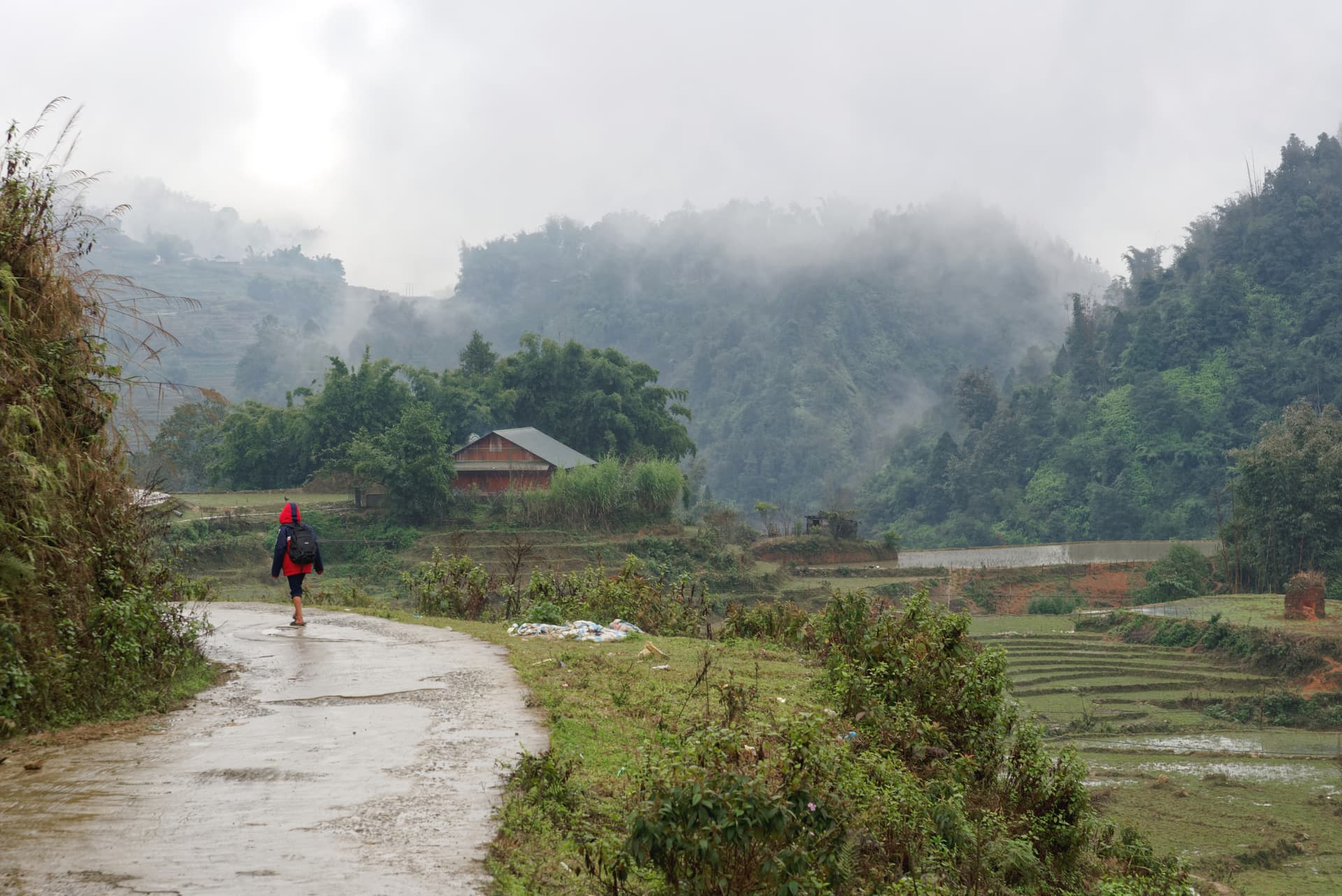
Sapa is a small town in the northern mountains, ~5–6 hours north-west of Hanoi by road or by overnight train + bus. The surrounding hills are terraced rice paddies dotted with the villages of several ethnic-minority groups — H'mông (Black Hmong, Flower Hmong), Red Dao, Tày, Giáy.
The town itself has overdeveloped — high-rise hotels, traffic, an over-built ski-style chairlift complex to Fansipan summit. The countryside around it remains spectacular. Most people come for the trekking.
What you actually do
- Day treks from town — half- and full-day walks through villages like Cát Cát, Lao Chải, Tả Van, Sín Chải. Easy to moderate; led by local H'mông or Dao guides.
- Multi-day trekking with a homestay — 2–3 days walking, sleeping in family homes in villages. The classic Sapa experience. Better between rice-planting (May) and harvest (Oct) when the terraces look like postcards.
- Fansipan — Vietnam's highest peak at 3,143 m. The cable car gets you to within walking distance of the summit in about 20 minutes; serious trekkers still walk up over 1–3 days.
- Markets — Bắc Hà market on Sundays (~1.5 hr drive) is the famous one for Flower H'mông; Cốc Ly on Tuesdays; Mường Hum on Sundays. Atmospheric and overcrowded.
When to visit
- September–early November — the rice is golden, ready for harvest. Most spectacular and most crowded.
- April–May — terraces are flooded for planting, mirror-like; second most spectacular.
- December–February — cold, often foggy. Snowfall on Fansipan a few days per year. Quiet, cheap.
- June–August — green, hot, sometimes leech-y on the trails. Heavy rain.
Trekking operators — and the scam problem
Sapa has a long-standing fake-trekking-shop problem. The genuine operators (Sapa Sisters, Hmong Sisters, Ethos, Indigo Cat) are widely copied — same name, similar shopfront, different operators.
Tips:
- Book before you arrive in Sapa, via the operator's actual website.
- Confirm the meet-up details and contact name in writing.
- Don't follow touts who approach you at the bus station or hotel.
Getting there
- Overnight sleeper train from Hanoi to Lào Cai (~8 hr), then 30-min minibus up the mountain to Sapa town. The most atmospheric option.
- Express bus from Hanoi (~5–6 hr) on the new motorway. Fastest.
- Limousine bus / private car — door-to-door, ~6 hr.
- No flights to Sapa specifically; nearest airport is Hanoi.
Where to stay
- Sapa town — convenient but increasingly overbuilt. Choose a hotel away from the main tourist row.
- Tả Van or Lao Chải village homestay — much more atmospheric, basic but warm, with rice terrace views.
- Topas Ecolodge — the famously-sited boutique resort on a ridge 18 km from Sapa, with terrace and mountain views. Expensive but a different experience.
Ethical trekking
H'mông and Dao women in Sapa often follow tourists hoping to sell embroidery at the end of the walk. The economics are uneven — they walk for hours and may earn very little.
- Hire a female H'mông or Dao guide directly through a recommended operator that pays guides fairly.
- If you don't want to buy embroidery, say so kindly at the start of the walk.
- Tip your guide.
- Don't photograph children of others without permission; ask before photographing adults.
What you should not do
- Don't ride a motorbike from Sapa down into the valley unless you're an experienced rider — the road is steep with hairpins and weather changes fast.
- Don't expect the town itself to feel "remote." It's a busy tourist hub; the magic is in the villages.
Quick verdict
Sapa is a mountain town in northern Vietnam famous for terraced rice paddies and hill-tribe village trekking. It's best known for multi-day homestays with H'mông and Dao communities, with dramatic terrain and a cool climate. The town centre itself has become over-touristed, but the surrounding villages and landscape remain stunning.
Best for / not ideal for
Best for:
- Trekkers and outdoor enthusiasts seeking immersive cultural homestay experiences
- Photographers hunting for dramatic rice-terrace landscapes, especially during harvest (September–November)
- Visitors wanting to escape the heat of lowland Vietnam for crisp mountain air
Not ideal for:
- Travellers seeking solitude — the trekking trails are well-worn and can be crowded
- Those uncomfortable with steep mountain roads or basic village accommodation
- Budget backpackers hoping to save money — genuine homestays and quality operators aren't cheap
How long to stay
Most visitors stay 2–3 nights for a day trek plus a multi-day homestay. Two nights is a practical minimum if you're squeezing Sapa into a Hanoi–Hạ Long Bay itinerary; four nights is ideal to combine a homestay trek with acclimatization and a market day trip. Anything less than 2 nights means you'll skip the homestay experience that makes Sapa distinctive.
Climate by month
September through early November brings the best trekking weather — golden rice at harvest, clear skies, cool nights. April–May is the second choice, with flooded terraces mirroring the sky. December–February is cold and foggy (Fansipan sometimes gets snow), but trails are quieter. June–August is green but hot, humid, and leechy after rain. See weather patterns at /practical/weather-by-month.
Day trips from here
- Bắc Hà market (Sundays, ~1.5 hours) — the famous Flower H'mông market, colourful and hectic
- Fansipan summit — cable car or multi-day trek to Vietnam's highest peak at 3,143 m
- Cốc Ly market (Tuesdays) — smaller, slightly less touristy than Bắc Hà
- Cát Cát village — terraces and homestays, walkable as a half-day trek from town
- Lao Chải and Tả Van — scenic villages frequented on full-day guided treks
Local transport
Within Sapa town, everything is walkable or reachable by taxi (metered or negotiated). For day trips to markets and villages, most visitors book through their guesthouse or trekking operator, who arrange minibus transport. Motorbikes are available for rent but the mountain roads are steep and winding with unpredictable weather. Grab operates in Sapa and is reliable for short hops around town.
Frequently asked questions
What is the best time of year to visit Sapa?
How do I get from Hanoi to Sapa?
How can I avoid fake trekking operators in Sapa?
How long should I stay in Sapa?
Can I reach the summit of Fansipan without trekking?
Continue reading
Comments
No comments yet.