Visa Runs: Leaving and Re-Entering Vietnam
The cross-border hop to reset your visa. Cheaper and easier than it used to be — but Immigration is increasingly watchful of 'permanent tourist' patterns.
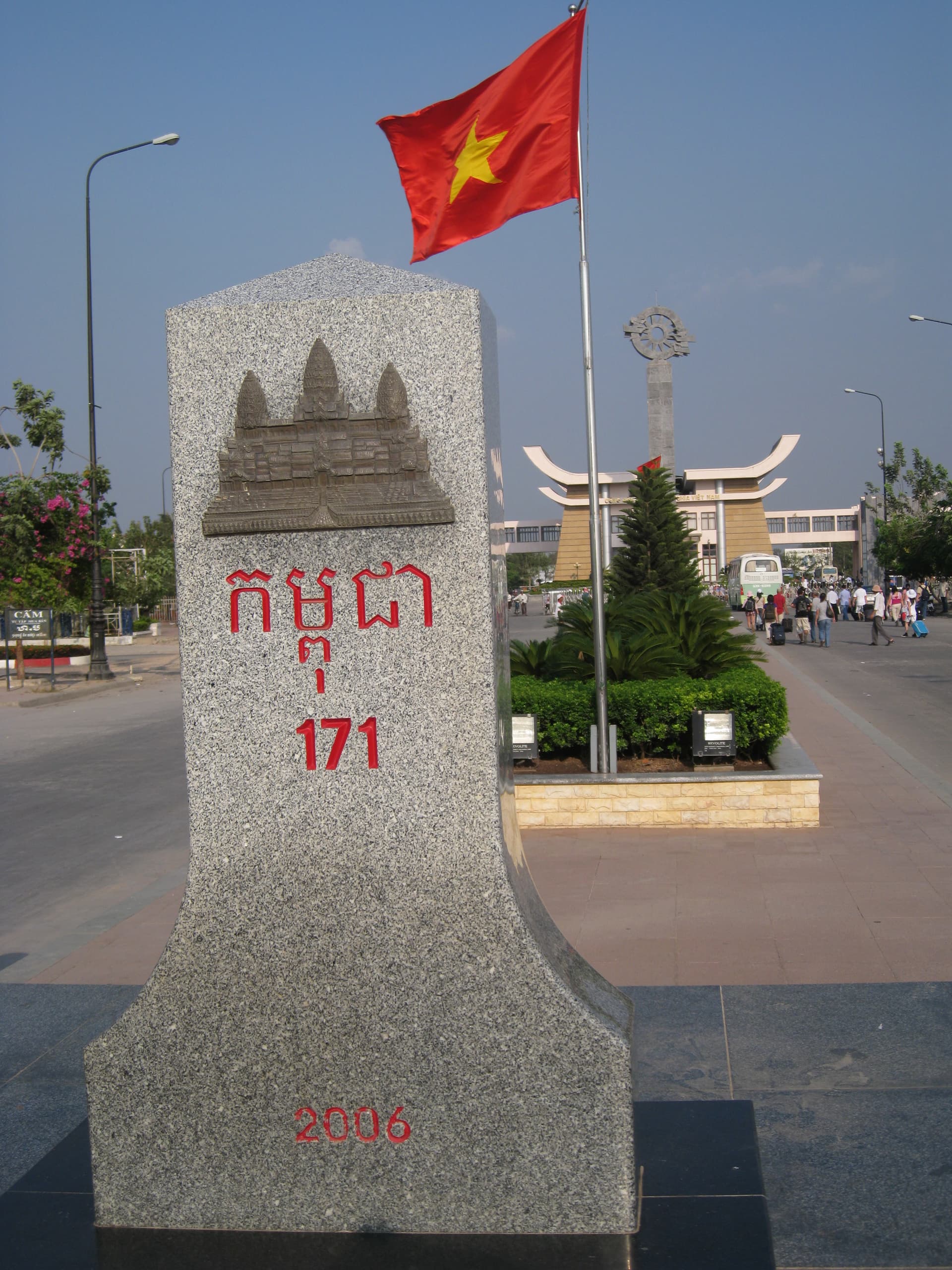
A "visa run" is leaving Vietnam and immediately re-entering on a fresh visa or visa-free entry. It's a stopgap for people who can't or don't want to extend their existing visa, and for years was a near-mandatory rhythm for long-stay expats without a TRC.
The 2023 expansion of the e-visa to 90 days multiple-entry made visa runs much less necessary. They're still useful in specific situations — and Immigration is increasingly tightening on what they consider a "permanent tourist" pattern.
Rules current as of 2026-05-17. Confirm border-crossing status before booking.
When you actually need to run
- Your 90-day e-visa is about to expire and you want another 90 days. The new e-visa is multi-entry, so a 24-hour exit-and-return gets you a fresh 90.
- You're on a 45-day visa-free entry (UK, France, Germany, Japan, etc. — see visa-free countries) and want to keep going without applying for the e-visa first.
- You're between work permit cycles and have a gap to bridge.
- Your TRC has lapsed unexpectedly.
If you're a remote worker hoping a Vietnamese "DTV / 5-year digital talent visa" exists to replace the run cycle, it doesn't — that confuses Thailand's DTV with Vietnam. Read the reality check. The run cycle, with all its grey-zone risk, is the de-facto long-stay route for general remote workers.
The options
1. Multi-entry e-visa, day exit by air
The simplest modern run. If you already hold a multi-entry e-visa, fly to Phnom Penh, Bangkok, Vientiane, or Singapore in the morning, return in the evening. Costs $80–250 depending on origin city and how far ahead you book.
Pros: predictable, comfortable, leaves a clean immigration trail. Cons: full day spent in transit.
2. Land border to Cambodia (Bavet from HCMC)
The Mộc Bài–Bavet crossing is the classic HCMC-area land run. Bus from HCMC's Phạm Ngũ Lão backpacker area to the border, walk across, get a Cambodian e-visa or stamp, turn around, re-enter Vietnam on a new e-visa or visa-free entry.
Pros: cheap (~$15–30 round trip if you self-organise), fast (5–6 hours total). Cons: hot, long bus, queueing at the border. The Cambodian side is run by tour companies who upsell add-ons.
3. Land border to Laos or China (less common)
The Lao Bảo (Quảng Trị) and Cầu Treo (Hà Tĩnh) crossings to Laos are options for travellers in central Vietnam. The Móng Cái crossing to China is rarely used by foreign tourists — Chinese visa requirements make a day trip impractical for most.
4. Hong Kong / Singapore / Bangkok long weekend
The classic "make it a weekend" version. Fly Friday evening, return Sunday or Monday. Useful if you have a friend to visit, want a city break, or are timing the return for the start of a new month.
What's changed recently
- Multi-entry e-visa (2023+) removed the need to apply for a fresh visa each time. You can leave and return on the same paper.
- More direct international flights from Vietnamese secondary cities (Đà Nẵng, Cam Ranh, Phú Quốc) make air runs accessible outside HCMC and Hanoi.
- Tighter scrutiny of repeated entries by Immigration. The "permanent tourist" pattern — entering on a tourist visa, doing a run every 90 days, repeating for years — is increasingly flagged. Some travellers report being asked for proof of return ticket, accommodation, and onward plans after multiple back-to-back e-visa cycles.
The "permanent tourist" risk
There's no published rule on how many runs trigger problems. Anecdotally:
- First 1–3 runs: no issues, fast re-entry, standard stamp.
- 4–6 runs in 12 months: occasional questioning at re-entry, especially at Mộc Bài land border.
- 7+ runs or 2+ years of continuous tourist status: real risk of refused re-entry. Immigration officers have discretion.
If you're heading into this territory, switch to a proper long-stay visa class if one fits you — work permit, investor visa, marriage visa, or student visa. If none fit, see the reality check — Vietnam has no confirmed general route for that case.
Practical mechanics
For the Bavet land run:
- Book a bus from HCMC to Phnom Penh through Giant Ibis, Sapaco, or Sorya (~6–8 hr to Phnom Penh; ~3 hr to the border alone).
- On arrival at Mộc Bài, exit Vietnam at the immigration booth (passport stamped out).
- Walk 200 m across no-man's-land to Bavet.
- On the Cambodian side: get a Cambodian e-visa in advance (preferred) or a visa-on-arrival ($30 + photo).
- To return same day: walk back across, present your fresh Vietnamese e-visa (or visa-free entry if eligible), get stamped in.
For the air run:
- Have a multi-entry Vietnamese e-visa.
- Book a same-day return flight to Phnom Penh / Bangkok / Vientiane / Singapore.
- Exit Vietnam at SGN or HAN, fly out, fly back, re-enter on the same e-visa.
What to bring
- Multi-entry e-visa printed
- Cambodian e-visa printed (if land-crossing to Cambodia)
- Cash USD ($50–100 small notes for Cambodian visa and any unexpected fees)
- Photocopy of passport
- Return ticket evidence (Immigration sometimes asks)
- Hotel booking evidence (Immigration sometimes asks)
Alternative: extend instead
For a single extension on a visa class that allows it, see visa extensions. The e-visa specifically cannot be extended — extension means switching to a different class.
What this does NOT let you do
Repeatedly leaving and re-entering Vietnam on tourist-class visas is a stopgap, not a long-term status. There are things a visa run explicitly does not resolve:
- Establish the right to reside long-term — repeated back-to-back tourist entries are not a recognised long-stay route; Immigration may refuse re-entry at their discretion after a pattern of runs.
- Take paid employment with a Vietnamese employer — working for a local entity requires a work permit and the appropriate visa class (LD, ĐT, or similar); a tourist stamp confers no employment authorisation.
- Replace a proper visa if you are doing paid remote work for overseas clients — Vietnam has no confirmed digital-nomad or remote-work visa; anyone in that situation may need to verify their options independently (see the digital nomad reality check).
- Guarantee re-entry — border officers have discretion; previous runs create a record and there is no published threshold that guarantees admission.
- Provide a path to permanent residency or a TRC — a TRC (Temporary Residence Card) requires an underlying qualifying visa class (work permit, marriage, investor), not tourist entries.
- Extend a non-extendable visa — an expired e-visa cannot itself be extended; the run issues a new entry but does not change the underlying visa class or unlock any extension rights.
Refer to the digital nomad reality check or the retirement reality check where remote work or retirement comes up — Vietnam has no confirmed general route for either.
Verify before acting. Visa rules change. Confirm with the Vietnamese embassy in your country or evisa.gov.vn before relying on any specific limitation here.
Frequently asked questions
Can I do a visa run on a multi-entry e-visa and re-enter on the same document?
How many visa runs before Immigration starts asking questions?
What is the cheapest way to do a visa run from Ho Chi Minh City?
Does a visa run give me the right to work or stay in Vietnam long-term?
Can I extend my e-visa instead of doing a run?
What documents should I bring on a land border visa run?
Continue reading
Comments
No comments yet.