Cát Bà National Park
Cát Bà island's forested core, home to the critically endangered golden-headed langur, with trekking, marine protection and limestone scenery.
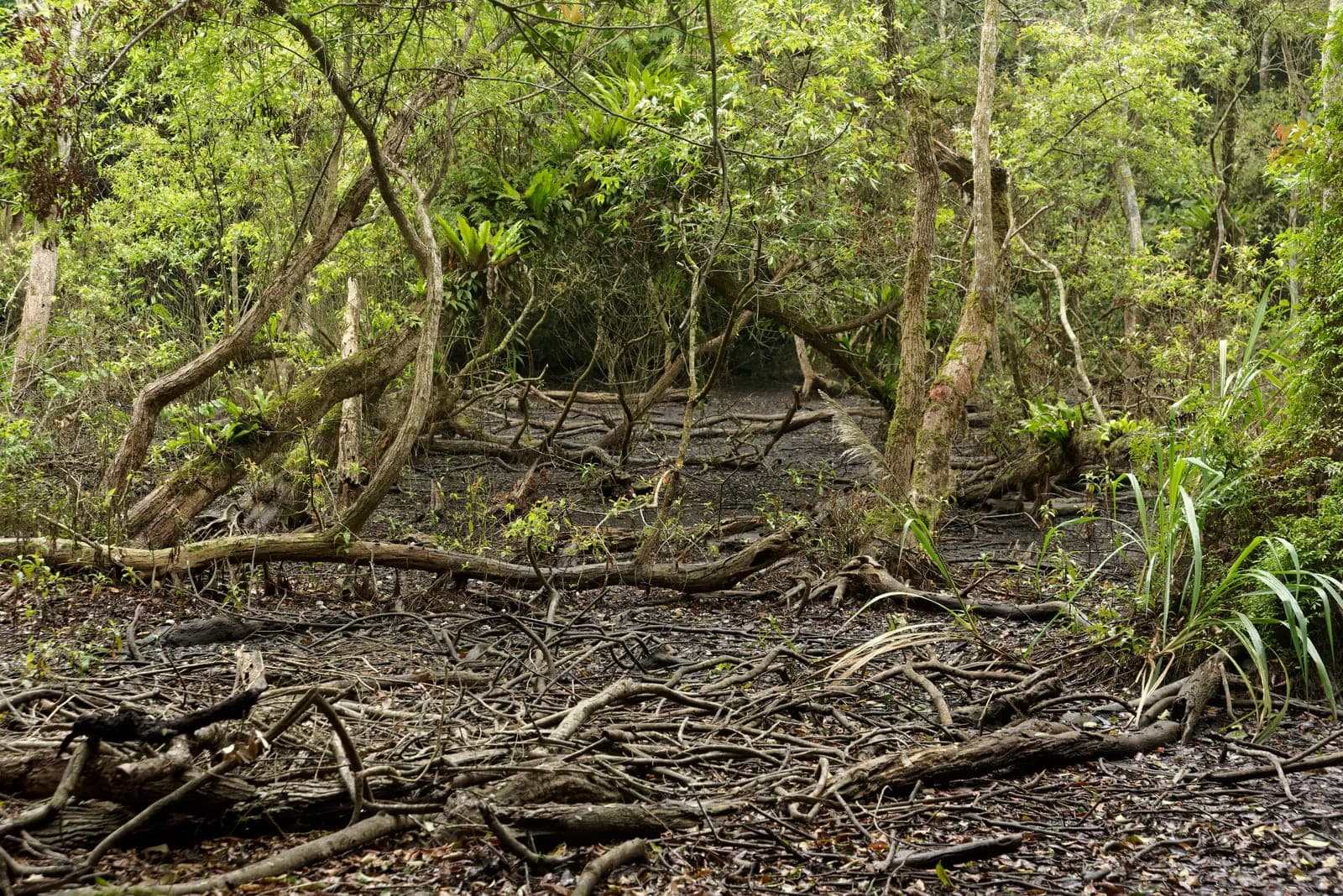
Cát Bà National Park covers roughly half of Cát Bà, the largest island in Hạ LongHạ Long (Ha Long)hah longBay in northeastern Vietnam featuring thousands of limestone karst islands; a UNESCO World Heritage site and top cruise destination. Bay's archipelago. It protects the last 70-odd golden-headed langurs on Earth and a swathe of limestone forest that drops straight into the sea.
What it is
109 km² of land park plus 53 km² of marine reserve, gazetted 1986 and a UNESCO Biosphere Reserve since 2004. The core attraction is the karst forest, mangrove edges, and the langur sanctuary on Cát Dứa peninsula. Birding is excellent — over 70 species recorded.
What to see and do
- Kim Giao–Ngự Lâm peak trail — 1.5 km steep climb to a viewing tower over the canopy. Allow 90 minutes return.
- Ao Ếch–Việt Hải traverse — the classic 6-hour trek across the island to Việt Hải fishing village. Boat back to town.
- Hospital Cave — a Vietnam War-era hospital built into the karst, on the road in. 80,000 VND entry.
- Langur watching — best done by boat with Cát Bà Langur Conservation Project to Cát Dứa, not in the park core.
- Frog Lake (Ao Ếch) — a karst-rim wetland, 4 km from HQ, birdy and quiet.
How to get there
From Hanoi the standard route is bus + ferry combo via Hải Phòng, around 3h30 total. Several operators (Cát Bà Express, Daiichi, Good Morning Cát Bà) run combined tickets from Lương Yên or Mỹ Đình bus stations for 280,000–350,000 VND. From Hải Phòng city, take a taxi to Got pier (45 min) then a 10-minute ferry. The new Tân Vũ–Lạch Huyện bridge makes the road option faster than before.
From Cát Bà town to park HQ at Trung Trang is 15 km — a 20,000 VND xe ôm, 250,000 VND taxi, or 40 minutes on a rented scooter (150,000 VND/day at the harbour).
When to go
October–April is dry and cool, the best trekking window. May–September is hot and prone to thunderstorms; ferries can cancel in typhoon season (August–October). Weekends bring Hanoi day-trippers — go midweek.
Cost and operators
| Item | Price (VND) |
|---|---|
| Park entry | 80,000 |
| Guide (mandatory for traverse) | 400,000–500,000 |
| Hospital Cave | 80,000 |
| Boat pickup Việt Hải → town | 150,000 pp shared |
Asia Outdoors (asiaoutdoors.com.vn) runs the most professional climbing and combined trek-kayak trips at $65–95/day. Cát Bà Ventures and Blue Swimmer also run good multi-day trek-and-kayak combinations.
Practicalities
- The Ao Ếch traverse is not a casual walk — slippery limestone, 6–7 hours, hire a guide.
- Leeches in summer. Wear long socks.
- ATMs in Cát Bà town only; bring cash to the park.
- Drinking water at park HQ but not on trails — carry 2 L.
Honest take
The park is good rather than spectacular — the langurs you will probably not see, and the trails are short. The real reason to visit Cát Bà is the combination: a morning trek, an afternoon kayak in Lan Ha Bay, and a meal of fresh squid by the harbour. As a wildlife destination it loses to Cúc Phương; as a base for hybrid adventure, it wins easily.
Related: Cát Bà trekking · Lan Hạ Bay beaches · Cát Bà island · Cúc Phương NP
Why visit Cát Bà National Park
Cát Bà is Vietnam's oldest protected area and one of its most biodiverse — the karst limestone forest plunging into the sea is geologically dramatic, with viewpoints that rival Hạ Long Bay's scenic reputation. The critically endangered golden-headed langur makes this one of the planet's most important primate reserves, and even if direct sightings are rare, hiking through their habitat connects you to genuine conservation work. The park works best as part of a 2–3 day adventure combining trekking, kayaking in Lan Hạ Bay, and fresh seafood in town — rather than a destination in isolation.
When to go
October through April offers dry, cool weather ideal for six-hour treks; May–September is humid and produces afternoon thunderstorms that can cancel ferry service. Typhoon season peaks August–October, when ferries occasionally don't run. Avoid Vietnamese school holidays and weekends (Hanoi day-trippers crowd the trails and facilities).
How to get there
From Hanoi, take a combined bus-and-ferry ticket (280,000–350,000 VND) from Lương Yên or Mỹ Đình stations via Hải Phòng — the journey takes 3.5 hours total. Alternatively, drive the new Tân Vũ–Lạch Huyện bridge route from Hải Phòng (now faster than the ferry). From Cát Bà town pier to park headquarters at Trung Trang is a 20-minute scooter ride (150,000 VND/day rental) or 250,000 VND by taxi.
What to see and do
- Kim Giao–Ngự Lâm peak tower — 1.5 km steep trail to a canopy viewpoint, 90 minutes return.
- Ao Ếch–Việt Hải traverse — the signature 6–7 hour trek across island forest to a fishing village; arrange boat pickup back to town.
- Hospital Cave — a 60-bed wartime facility carved into karst, accessible by minibus from HQ; costs 80,000 VND entry.
- Langur spotting by boat — hire a dedicated operator (Cát Bà Langur Conservation Project) to reach Cát Dứa peninsula; individual park treks rarely yield sightings.
- Frog Lake (Ao Ếch) shortwalk — 4 km from HQ, excellent for birding and quiet reflection.
Where to stay nearby
Cát Bà town has budget guesthouses (120,000–200,000 VND, basic rooms), mid-range hotels like Sunrise Nhat Linh (500,000–700,000 VND, air-con, harbour views), and upscale resorts like Sunworld Cat Ba Complex (1,200,000–1,800,000 VND, pools, spa). Most visitors base themselves in town and day-trip the park.
Practicalities
- Park entry: 80,000 VND; mandatory guide for the Ao Ếch traverse costs 400,000–500,000 VND.
- Leeches are common in summer — wear long socks and gaiters.
- No ATMs at the park; withdraw cash in town.
- Carry 2 L of water — the trails have no refill points.
- Foreigner gotcha: guides are mandatory for the main traverse but optional for peak trails; confirm in advance to avoid mid-hike surprises.
Frequently asked questions
Do I need a guide to trek in Cát Bà National Park?
Will I actually see the golden-headed langur at Cát Bà National Park?
How long does it take to get to Cát Bà National Park from Hanoi?
Continue reading
Comments
No comments yet.