Fansipan: Cable Car or Trek
Vietnam's highest peak at 3,143 m — once a hard 2-day trek, now reachable in 15 minutes by cable car. The honest comparison.
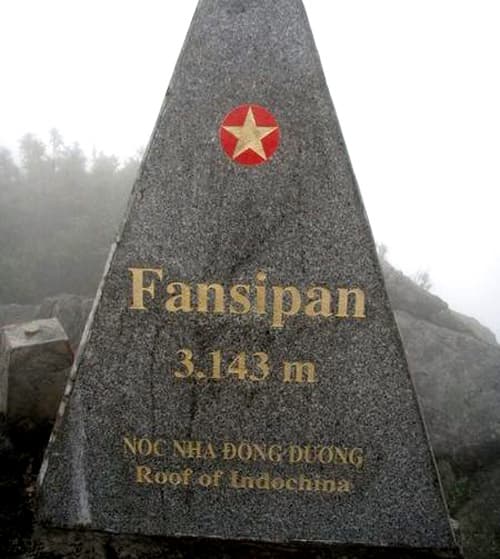
Fansipan ("Phan Xi Păng" in Vietnamese) is the highest mountain in Vietnam, Laos and Cambodia at 3,143 m. Until 2016 you reached the summit by a 2–3 day trek; since the Sun World cable car opened, almost everyone takes the 15-minute ride.
What it is
A peak in the Hoàng Liên Sơn range, accessed from Sapa town 9 km east. The mountain sits inside Hoàng Liên National Park, which protects the entire upper slope. The Sun World complex at the cable car upper station has built temple plazas, hotels and statues across the summit area — including a 21 m bronze Buddha. This has fundamentally changed the character of the climb.
The cable car option
- Cable car — 6.3 km, 15 minutes, opened February 2016. World record at the time for longest non-stop three-rope cable car.
- Funicular train — from Sapa town to the cable car base station at Mường Hoa (alternative to taxi).
- Summit funicular — final 600 m climb from upper cable station to the summit cross.
- Total time — 1h door to door from Sapa town.
The trekking options
| Route | Days | Difficulty | Notes |
|---|---|---|---|
| Trạm Tôn (north) route | 2D1N | Hard | Classic, 11 km up |
| Sín Chải (west) route | 3D2N | Very hard | Wilder, less traffic |
| Cát Cát (south) route | 2D1N | Hard | Shortest, busy lower section |
All trekking routes finish at the summit area, where you mingle with cable car tourists. To trek you must hire a Hoàng Liên NP-licensed porter-guide; independent trekking is officially prohibited.
How to get there
To Sapa from Hanoi: sleeper bus 6h, see Sapa. Once in town:
| To | Method | Cost |
|---|---|---|
| Cable car base (Mường Hoa) | Funicular | 100,000 VND |
| Cable car base | Shuttle bus | 50,000 VND |
| Cable car base | Walk | 25 min |
When to go
| Period | Conditions |
|---|---|
| Mar–May | Clear days, rhododendrons in flower |
| Jun–Aug | Lush but cloud-locked many days |
| Sep–Nov | Best clarity, golden lower terraces |
| Dec–Feb | Cold, snow at summit some years |
October is the sweet spot for summit views. Trekking is dangerous after heavy rain — the lower trails turn into mud chutes.
Cost and operators
| Option | Price |
|---|---|
| Cable car return | 800,000 VND |
| Cable car + funicular combo | 1.1m VND |
| Summit funicular (one-way) | 70,000 VND |
| 2D1N trek with guide, food, camp | $130–180 pp |
| 3D2N trek | $200–280 pp |
| Hoàng Liên NP entry | 80,000 VND |
Trekking operators: Sapa Sisters (women-led), Sapa O'Chau, Ethos Sapa, Indigo Cat. Independent guides can be hired at Trạm Tôn ranger station for around 800,000 VND/day.
Practicalities
- The summit is genuinely 3,143 m; bring a fleece even in summer.
- The cable car gondolas are enclosed and heated.
- Vegetarian food on the trek is rare — flag dietary needs at booking.
- Camp at Trạm Tôn is basic; sleeping bag and pad provided by guides.
- Altitude can affect unfit visitors at the summit; descend if dizzy.
Honest take
The cable car has turned the summit into a theme-park experience and many old-time trekkers refuse to go now. It is what it is — the views from the top are still extraordinary on a clear day, regardless of how you arrived. The trek is no longer a wilderness experience because of the summit infrastructure, but the climb itself remains a serious physical effort and the mid-altitude forest is beautiful.
If you want the summit selfie: cable car. If you want a hard mountain walk: do the Trạm Tôn 2D1N trek, but expect to share the summit with cable-car day-trippers. If neither appeals: the Mường Hoa valley walks at lower altitudes are a better use of time.
Related: Sapa trekking routes · Sapa region · Mù Cang Chải
Why visit fansipan-climbing
Fansipan offers the most accessible high-altitude experience in Southeast Asia — you can summit Vietnam's highest peak at 3,143 m in less than two hours by cable car, or push yourself with a serious 2–3 day trek through montane forest and cloud-wrapped ridgelines. The cable car itself is an engineering feat (and scenic in clear weather), while the trekking routes reward fitness with solitude, minority villages, and stunning valley views on descent. Even on a day trip from Hanoi, you can reach the summit and experience genuinely thin air and sub-zero temperatures.
When to go
September through November is ideal: clear skies, crisp air, and golden light across the surrounding terraces. March to May offers rhododendron blooms and reliable visibility. Avoid June–August (constant cloud cover obscures views) and December–February (snow, ice, extreme cold, occasional closure). October is the single best month — sunny most days, manageable crowds at mid-week, and the lower valleys are still green.
How to get there
Most visitors arrive in Sapa by overnight sleeper bus from Hanoi (6 hours, ~200,000 VND), then take a 25-minute walk, shuttle bus (50,000 VND), or 100,000 VND funicular to the cable car base at Mường Hoa. From there, the cable car ascends in 15 minutes. For trekkers, guides arrange transport to trailheads (Trạm Tôn ranger station or Sín Chải village). See Sapa for full Hanoi-to-Sapa logistics.
What to see and do
- Cable car views — Ride to the upper station and walk the final 600 m summit funicular; catch sunrise or late afternoon light for the clearest vistas of Laos and Cambodia on the horizon.
- Summit pilgrimage — Photograph the 21 m bronze Buddha, the Vietnamese flag marker, and the stone cross; the viewpoint platform is crowded midday but quieter early morning.
- Trạm Tôn trek — The classic 2D1N northern route; sleep at basic mountain camp (sleeping bags provided), trek through cloud forest with H'mong villages and limestone karst views.
- Photography circuit — The summit area has distinct light windows; shoot the Buddha from the east, the flag from the west, and the valley mist from the north prayer platform.
- Altitude acclimatization — Use the cable car ascent as a safe way to reach 3,143 m without risking altitude sickness; the slow funicular descent is gentler than the descent hike.
Where to stay nearby
Sapa town (9 km down the mountain) offers most accommodation. Budget: Sapa Sisters hostel or guesthouses in the old town centre (150,000–300,000 VND/night). Mid-range: Sapa Rooms or other 3-star hotels on the main square (600,000–1.2m VND/night). Premium: Victoria Sapa Resort or Topas Ecolodge overlooking the valley (1.5m–3m VND/night). Trekkers overnight at the mountain camp (included in guide fees); bring extra layers.
Practicalities
- Entry & hours: Cable car operates 07:30–17:00 daily; closed only during severe typhoons or maintenance. Park entry (80,000 VND) included with cable car ticket. Last cable car descent is 17:30.
- Fitness & weather: The summit funicular final climb is steep and icy in winter. Bring a fleece, windproof jacket, and waterproof trousers even in summer — temperature drops 6°C per 1,000 m elevation. Bring headache medication for altitude.
- Foreigner pitfall: Many tour operators quote prices in USD but charge your card in VND at unfavourable rates; book direct with Sapa Sisters or negotiate rates in Vietnamese dong cash. Also, the "summit" photos are all taken at the cable car upper station — the actual 3,143 m point is a bland surveying marker 50 m uphill.
Frequently asked questions
Do I need to trek to reach the Fansipan summit?
When is the best time to visit Fansipan for clear views?
How much does it cost to visit Fansipan?
Continue reading
Comments
No comments yet.