The when-to-come decision for Vietnam
Vietnam is three climates in one country. Pick the wrong month for your destination and you spend half your trip indoors. Here's the simple month-region matrix.
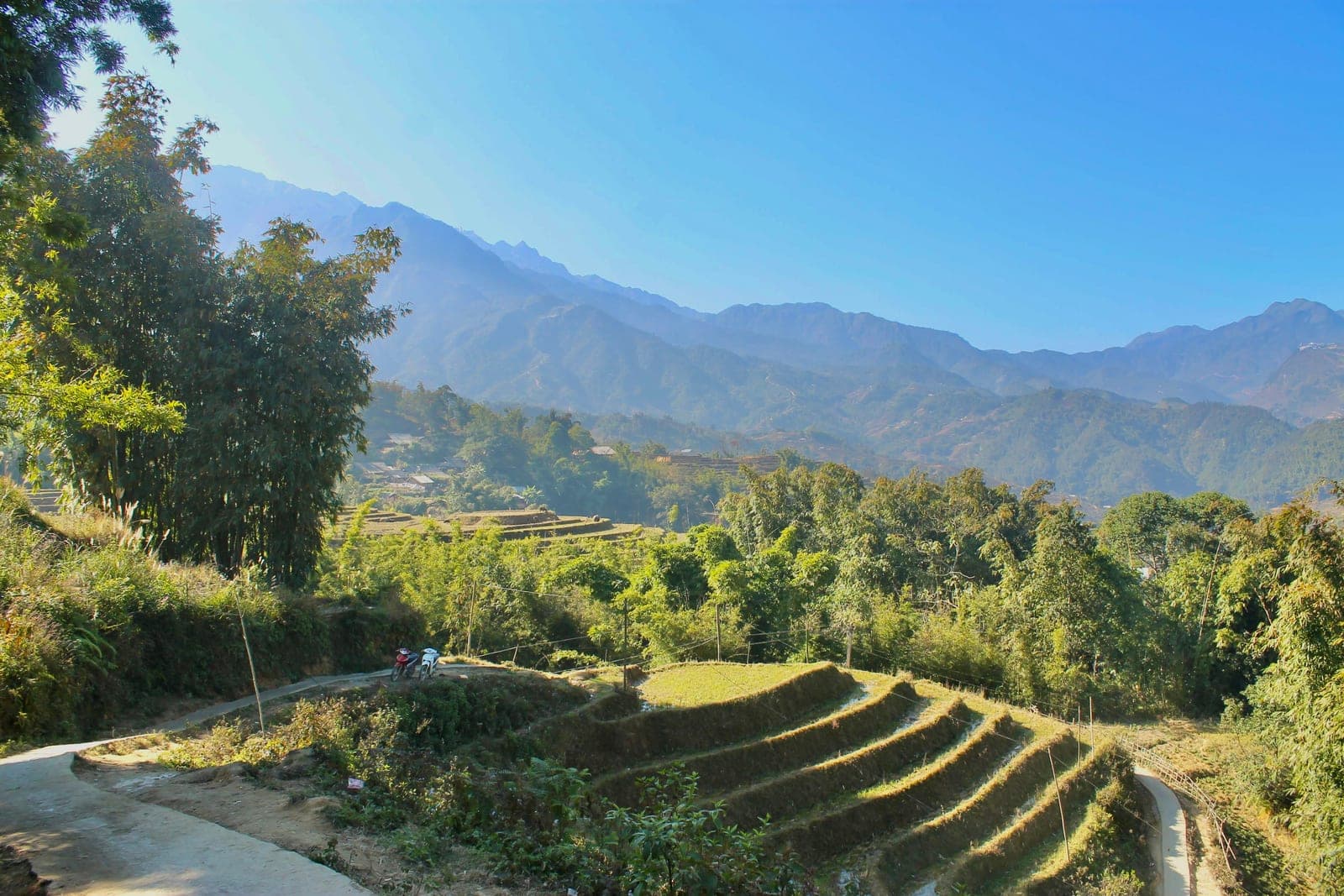
The most expensive Vietnam-trip mistake is picking the wrong month for the region you've chosen. Hội An in October is half-flooded; Sapa in February is misty and visibility-zero; Phú Quốc in July is rainy and dim. The same trip in March looks entirely different.
This page is the five-minute month-region decision. The deeper substance is the best-time-to-visit tool, which scores every month against your activity preferences.
Vietnam's three climates
| Region | Climate flavour |
|---|---|
| North (Hanoi, Hạ Long, Sapa, Ninh Bình, Hà Giang) | Four seasons. Cool dry winter (Dec–Feb), spring (Mar–Apr), hot wet summer (May–Aug), cool dry autumn (Sep–Nov) |
| Central (Đà Nẵng, Hội An, Huế, Phong Nha) | Dry season Feb–Aug; wet typhoon season Sep–Dec, with floods most common Oct–Nov |
| South (HCMC, Mekong, Phú Quốc, Côn Đảo, Đà Lạt) | Dry Nov–Apr; wet May–Oct (afternoon thunderstorms, generally short) |
The three are partially out-of-phase. The "good" month for one region is often a wet month for another.
The same three climates, in numbers
Typical daily temperature range and monthly rainfall. These are long-run averages, not a forecast — any individual year varies, and a typhoon does not care about an average.
| Month | North | Central | South |
|---|---|---|---|
| January | 12–19 °C · 18 mm | 18–24 °C · 95 mm | 22–31 °C · 14 mm |
| February | 13–20 °C · 25 mm | 19–26 °C · 50 mm | 23–33 °C · 4 mm |
| March | 16–23 °C · 47 mm | 21–28 °C · 25 mm | 25–34 °C · 12 mm |
| April | 20–28 °C · 80 mm | 23–30 °C · 30 mm | 26–35 °C · 50 mm |
| May | 24–32 °C · 180 mm | 25–33 °C · 55 mm | 26–33 °C · 220 mm |
| June | 26–33 °C · 240 mm | 27–35 °C · 95 mm | 25–32 °C · 310 mm |
| July | 26–33 °C · 285 mm | 27–35 °C · 90 mm | 25–31 °C · 295 mm |
| August | 26–33 °C · 320 mm | 27–34 °C · 120 mm | 25–31 °C · 270 mm |
| September | 24–31 °C · 200 mm | 26–32 °C · 290 mm | 25–31 °C · 330 mm |
| October | 21–28 °C · 110 mm | 24–29 °C · 600 mm | 24–31 °C · 270 mm |
| November | 17–24 °C · 40 mm | 22–27 °C · 380 mm | 23–30 °C · 115 mm |
| December | 14–21 °C · 22 mm | 20–25 °C · 200 mm | 22–30 °C · 50 mm |
Three things fall out of that table that the prose above only hints at.
Central Vietnam's October is the single most extreme month in the country. 600 mm is roughly five times what the north gets in the same month, and more than central Vietnam receives across February, March, April and May combined. This is the number behind "Hội An floods most years" — it is not a bad-luck event, it is what October is.
February is the only month where no region is wet. 25 mm, 50 mm and 4 mm. Nothing else in the year comes close to that alignment, which is why February–April keeps appearing as the all-Vietnam answer.
The south's dry season is drier than the north's. February in Ho Chi Minh City averages 4 mm — practically nothing — while staying in the low thirties. If your mental model is "tropical means humid and wet year-round", the southern dry season will surprise you.
The five-minute matrix
| If you want | Go in | Region |
|---|---|---|
| The best all-Vietnam shape (north → central → south) | February–April | All |
| The classic 14-day "Vietnam summer holiday" | October–November | Best in north; central is still typhoon-risky |
| A beach week on Phú Quốc | November–March | South |
| Sapa rice terraces in green-and-gold harvest | September–October | North |
| Cherry blossom and Tết energy (chaotic but real) | Late January–Early February | All (note: half the country closes for Tết) |
| Phong Nha caves (drier, lower water) | March–August | Central |
| Đà Lạt highlands cool | December–March | South highlands |
| The cheapest off-peak prices | June–August in north and central; May–October in south | Varies |
Months to think twice about
- Late January / early February — Tết (lunar new year): Vietnam's biggest holiday. Half the country closes for 7–10 days. Domestic transport is booked solid; many shops, restaurants and homestays close. Prices spike. Great cultural experience if you've planned for it; nightmare if you assumed everything would be open.
- October–November in central Vietnam: Typhoon season; Hội An floods in most years. Đà NẵngĐà Nẵng (Da Nang)dah nangMajor coastal city in central Vietnam, known for its beaches, the Marble Mountains, and modern infrastructure.'s beach week is closed by storm warnings.
- June–August in the north: Heat 32–35 °C with high humidity; Hạ Long Bay can be hazy.
- April 30–May 1 (Reunification Day + Labour Day): Domestic travellers move en masse. Flights and trains book solid; beach resorts double price.
- September 2 (National Day): Smaller scale of the same effect.
Sweet-spot months by region
- North: October–November (clear skies, mild), or March–April (spring, dry, comfortable).
- Central: February–April (warm, dry, no typhoons).
- South: December–February (dry, sunny, low humidity).
- All three at once: February–April is the closest to "good everywhere".
What changes when you pick the wrong month
The trip still works; it just compromises:
- Wrong-month for the north: Sapa loses the view, Hạ Long Bay cruises run but visibility is poor.
- Wrong-month for central: Hội An's old town floods; Marble Mountains cloudy; beaches windy.
- Wrong-month for the south: HCMC afternoon downpours (manageable); Mekong delta still works; Phú Quốc beaches less reliable.
None of these turn the trip into a disaster. But if you can pick months, picking right adds 30% to the experience.
Common when-to-come mistakes
- Trying to "include" all three regions in October (typhoon risk in central).
- Going to Sapa in June–August (rain, leeches, low visibility).
- Booking Tết week without planning around it. Domestic logistics break.
- Treating "wet season" as a deal-breaker for the south. Wet season in HCMC and the Mekong is mostly afternoon thunderstorms — still workable.
Related
Continue reading
Comments
No comments yet.