An Bàng Beach, Hội An
The relaxed, café-fringed beach 4 km from Hội An old town — the central coast's most enjoyable beach scene outside Đà Nẵng's skyscrapers.
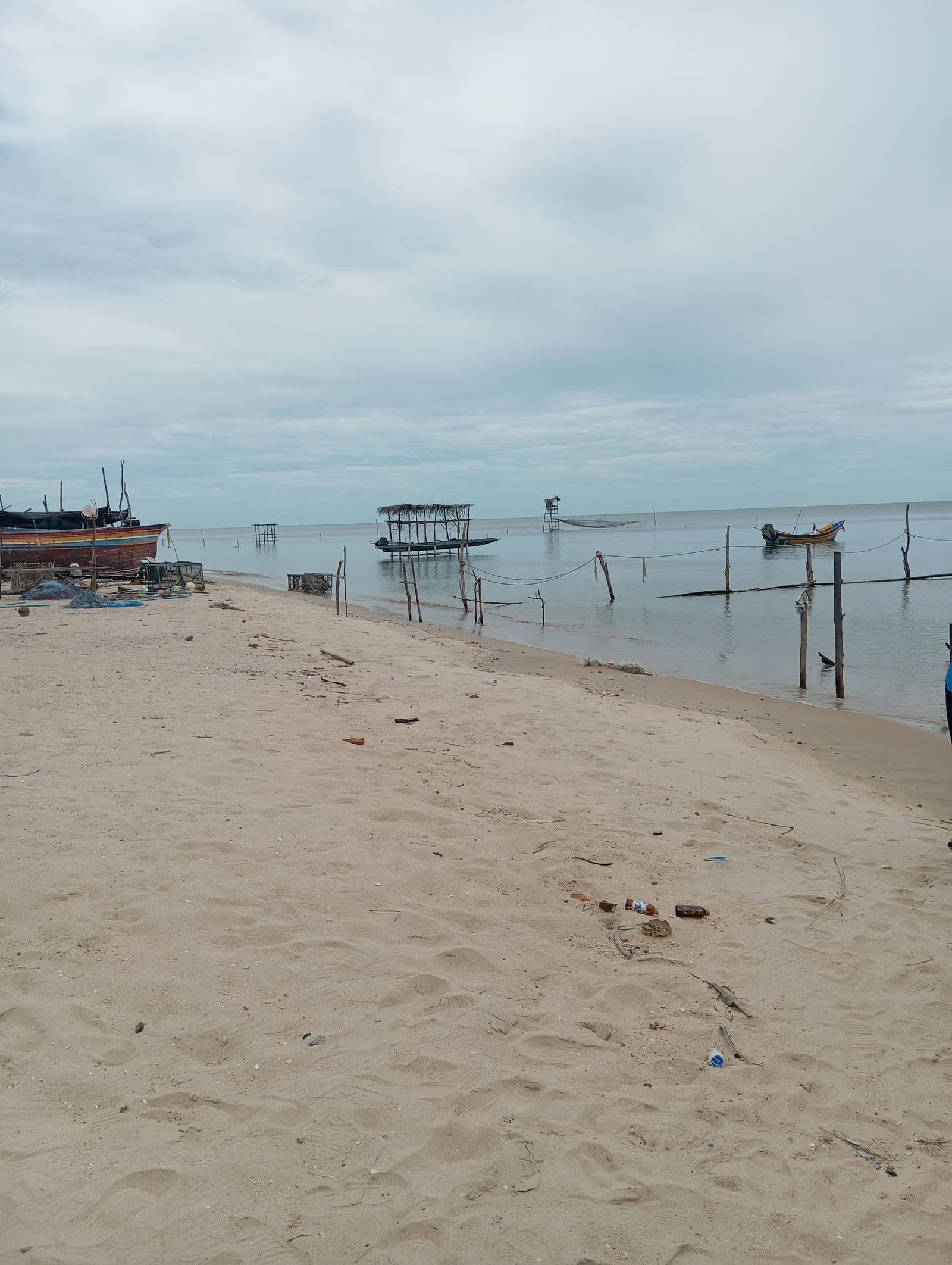
An Bàng is the Hội An beach that survived — its neighbour Cửa Đại has been almost entirely lost to erosion since 2014, leaving An Bàng as the social beach for everyone staying in the old town.
What it is
A 2 km stretch of pale sand fronted by a low strip of beach cafés, surf schools and small boutique hotels. Unlike My Khê, there are no skyscraper resorts on the foreshore — most accommodation is set back along the lanes.
What to see and do
- Swim — gentle slope, lifeguarded April–August. Watch for the rip when there is a swell.
- Surf — small but rideable beach break, season September–March. Schools at the central access point.
- Beach café day — Soul Kitchen, La Plage, An Bàng Beach Hideaway. 100,000 VND drink minimum gets you a sunbed.
- Sunset walk south — to Cửa Đại to see what coastal erosion looks like in real time.
- Cycle from Hội An — 4 km flat road from the old town, the standard way locals arrive.
- Basket-boat fishermen — early morning launches from the north end.
How to get there
An Bàng is 4 km northeast of Hội An old town. From the old town:
| Method | Cost (VND) | Time |
|---|---|---|
| Bicycle (hotel rental) | free | 20 min |
| Xe ôm | 50,000 | 10 min |
| Grab car | 80,000 | 10 min |
| Rented scooter | 150,000/day | 10 min |
From Đà NẵngĐà Nẵng (Da Nang)dah nangMajor coastal city in central Vietnam, known for its beaches, the Marble Mountains, and modern infrastructure. it is a 25 km, 35-minute ride along the coast road (the smarter route than QL1A).
When to go
March–August is dry season and the best swimming window. February has cool, clear days. September–November is typhoon territory and the beach loses sand to winter storms. December–February is the surf season but the water is cold.
The café strip thins out from October as cafés close for the winter; not all reopen by March.
Cost and operators
| Item | Price (VND) |
|---|---|
| Sunbed (with min spend) | 100,000 drink |
| Surf rental (1h) | 100,000 |
| Surf lesson (2h) | 500,000 |
| Yoga class | 200,000 |
| Cooking class on the beach | 800,000 |
Recommended cafés: Soul Kitchen (live music nights), La Plage (best food), Salt Pub, An Bàng Beach Village. The surf school at the central entrance runs daily lessons.
Practicalities
- The road in is narrow; cycle, walk, or get dropped off — parking is a nuisance.
- Cafés close earlier in low season (October–February); call ahead.
- Beach vendors sell donuts, mango, sunglasses; politely persistent.
- Cûa Đại to the south is technically reachable on foot but erosion makes it unwalkable in places.
- Cash preferred; some cafés take card.
Honest take
An Bàng is the central coast's best beach scene — relaxed, food-good, sand-good, with the unbeatable advantage of cycling back to dinner in Hội An old town. It is not a quiet desert beach (it is busy in high season) and it is not as pristine as Quy Nhơn, but for a beach-and-culture base it is hard to beat anywhere in Vietnam. Choose accommodation on the beach lanes (Nguyễn Phan Vinh, Lạc Long Quân) rather than the old town if the beach is the priority.
Related: My Khê Beach, Đà Nẵng · Hội An region · Snorkelling Cù Lao Chàm · Best beaches overall
Why visit An Bàng Beach
An Bàng is Hội An's only surviving urban beach and delivers the rare combination of good sand, safe swimming, and walkable access to one of Southeast Asia's best-preserved old towns. The low-rise café culture along the waterfront—Soul Kitchen, La Plage, An Bàng Beach Village—means you can drift between the beach and dinner in the lantern-lit streets without a motorbike. Unlike Đà Nẵng's resort corridor, the vibe here is intentionally relaxed: expect backpackers, couples, local families, and surfers sharing the same 2 km strip without crowds.
When to go
March through August is optimal: warm water (28–30°C), reliable sunshine, and full café operations. February offers cooler, glass-clear days—ideal for swimming and photography. Avoid September to November (typhoon season brings beach closures and heavy rainfall); December to February draws winter surfers but the water dips to 20°C. Note that many beach cafés reduce hours or close entirely October to February; verify opening times before visiting.
How to get there
An Bàng lies 4 km northeast of Hội An old town via a flat, scenic cycling route (rental bikes 50,000–100,000 VND/day). A xe ôm costs 50,000 VND, a Grab car around 80,000 VND. From Đà Nẵng (25 km south), take the coastal route via Marble Mountains rather than QL1A—35 minutes by car or 50 minutes by motorbike. See Day trips from Hội An for broader regional access.
What to see and do
- Swim and sunbathe — gentle slope, April–August lifeguards, warm water, and minimal swell on most days
- Surf lessons and rentals — September–March season, 500,000 VND for a 2-hour lesson, boards available from schools at the central entrance
- Beach café sessions — claim a sunbed (100,000 VND minimum drink spend) and day-drink at Soul Kitchen, La Plage, or Salt Pub
- Dawn basket-boat fishery — watch traditional launches from the northern shore around 5–6 am
- Coastal walk south to Cửa Đại — see the erosion-ravaged remains of the former beach 2 km away, a sobering reminder of coastal climate change
Where to stay nearby
Budget beachfront bungalows and homestays line Nguyễn Phan Vinh and Lạc Long Quân lanes (400,000–800,000 VND/night); Namu Boutique Hotel and An Bàng Beach Village Homestay are solid midrange picks (800,000–1.5M VND/night). For premium, An Bàng Beach Hideaway and La Plage Bungalows offer oceanfront rooms with café access (1.5M–3M VND/night). Most properties include breakfast and are a 5–15 minute walk to central beach access.
Practicalities
- Entry fee: None. Beach is public.
- Hours: Cafés 7 am–sunset (reduced in low season); the beach itself is 24/7.
- Safety notes: Rip currents exist during big swells (September–March); stay lifeguarded April–August. Petty theft is minimal but lock up valuables in cafés.
- Foreigner pitfall: Do not attempt to walk south to Cửa Đại at high tide—coastal erosion has made the walking route dangerous and impassable in sections. Respect posted barriers.
Frequently asked questions
Is An Bàng Beach better than Cửa Đại?
When is the best time to swim at An Bàng Beach?
How do I get to An Bàng Beach from Hội An old town?
Continue reading
Comments
No comments yet.