Best places in Vietnam for history travellers
Imperial Huế, war-era Quảng Trị, Cham temples at Mỹ Sơn, colonial Hanoi, the DMZ — the eight places that anchor a real history trip in Vietnam.
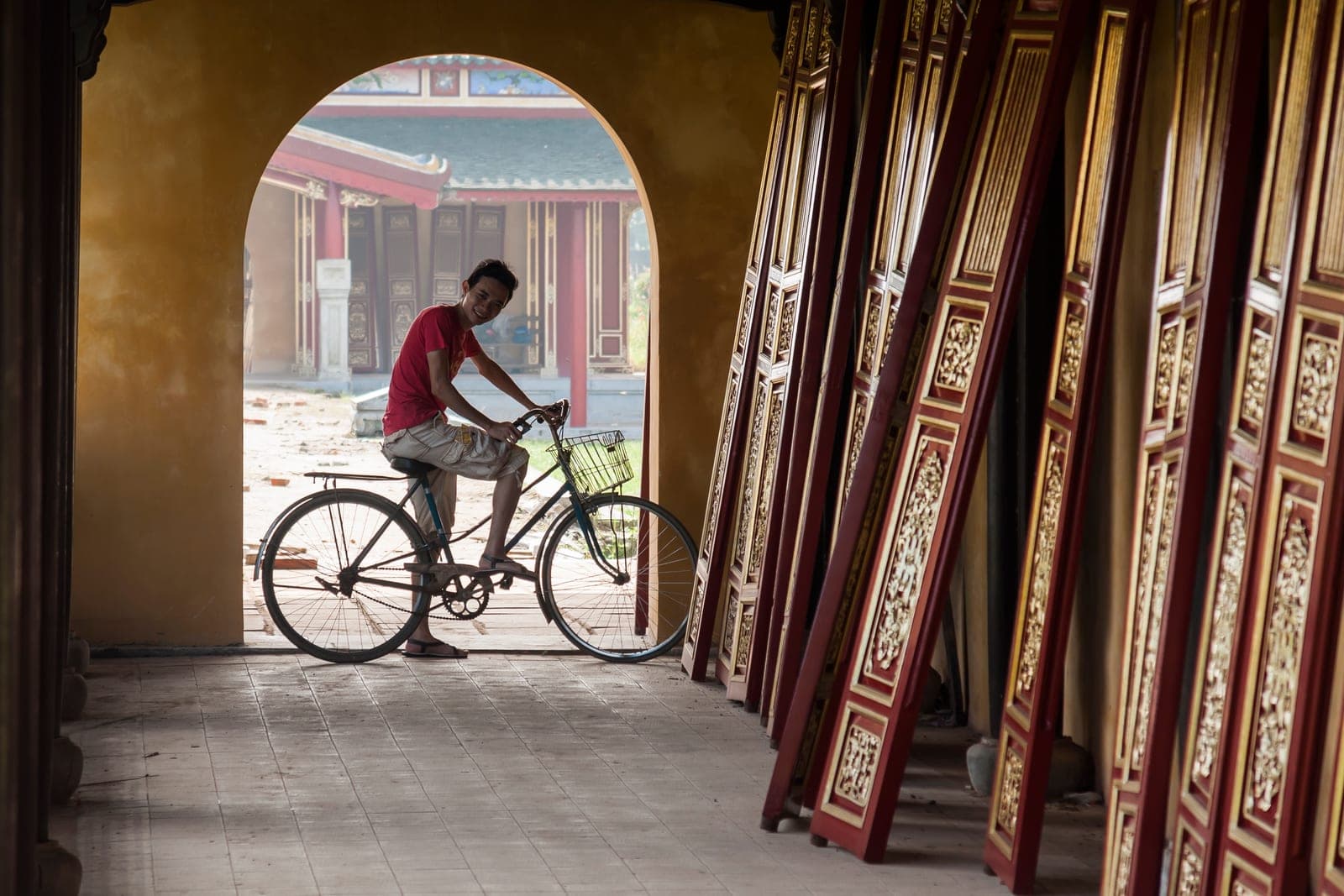
Vietnam's history layers run deep — 1,000 years of dynasties, a century of French colonial rule, three decades of war, and reform. The country has dozens of historical sites; the eight below are the ones that anchor a real history trip.
Methodology: ranked on historical importance, what survives on the ground, visitor experience, and interpretive quality.
The 8 ranked
1. Huế imperial city (central)
The Nguyễn dynasty capital (1802–1945). The Citadel (Hoàng Thành), Forbidden Purple City, royal tombs along the Perfume River. The single richest historical destination in Vietnam. Allow 2 full days.
- Key sites: Citadel, Tombs of Minh Mạng / Tự Đức / Khải Định, Thiên Mụ Pagoda
- Tip: Tombs are best seen by motorbike or bicycle on a Perfume River loop
2. Mỹ Sơn (central, near Hội An)
Cham temple complex from the 4th–13th centuries. Brick towers in red Mỹ Sơn sandstone, similar in spirit to Angkor but smaller. Some war damage; the surviving towers are remarkable. Half-day trip from Hội An.
- Tip: Go at 6am sunrise tour to avoid heat and crowds
3. DMZ + Khe Sanh (central)
The 17th parallel that divided Vietnam 1954–1975. Vĩnh Mốc tunnels, Hiền Lương bridge, Khe Sanh combat base, Hamburger Hill. Most accessible from Huế or Đồng Hới by day-tour ($40–80) or private guide ($120–200).
- Tip: a knowledgeable guide transforms this trip; don't go with a cheap multi-stop bus tour
4. Cu Chi tunnels (south, near HCMC)
The Viet Cong's underground network during the war — 250+ km of tunnels at three levels. 1.5-hour drive from HCMC. The crawl-through experience is real but well-curated.
- Tip: Choose Bến Đình (less touristy) over Bến Dược (more visited)
5. War Remnants Museum (HCMC)
The single most-visited Vietnamese museum. Photographs, aircraft, agent-orange exhibits. Confronting; essential for understanding the war's human cost.
- Time: 2–3 hours
- Tip: combine with Reunification Palace for a Saigon-1975 contextual half-day
6. Hanoi Old Quarter + French Quarter (north)
The Old Quarter's 36 streets pattern goes back to the 13th century; the French Quarter is full of 1900s villas, the Opera House, and the colonial-era hotels. The most walkable historical city in Vietnam.
- Tip: a Hanoi Old Quarter walking tour adds context the buildings alone don't show
7. Hỏa Lò prison (Hanoi)
The "Hanoi Hilton" — colonial-era French prison, later POW prison during the American war. Two-sided exhibits: French treatment of Vietnamese prisoners (extensive) and Vietnamese treatment of American pilots (controversial framing).
- Tip: read about the controversy before visiting; it adds critical context
8. Phong Nha / Quảng Bình war sites (central)
The Ho Chi Minh Trail passed through this area; many sites mark logistics, ambushes, and bombardment. Best seen as part of a Phong Nha cave trip with a knowledgeable guide.
- Tip: pair with cave-tour days; pure war-history isn't enough to fill multiple days here
Honourable mentions
- Hồ Chí MinhHồ Chí Minh (Ho Chi Minh)hoh chee minLargest city in Vietnam, formerly Sài Gòn; the commercial and economic capital of the country in the south. Mausoleum (Hanoi): the embalmed body of Hồ Chí Minh; powerful regardless of your view of the politics
- Reunification Palace (HCMC): site of the 1975 fall of Saigon; mostly preserved as it was
- Cao Đài Holy See (Tây Ninh, near HCMC): the syncretic religion's headquarters; remarkable architecture
- Co Loa Citadel (Hanoi): pre-Chinese-era Vietnamese citadel; ruins
- Champa towers in Quy Nhơn / Phan Rang: post-Mỹ Sơn Cham survivals
By era
| Era | Best site(s) |
|---|---|
| Champa kingdoms (2nd–15th c.) | Mỹ Sơn; Po Nagar (Nha Trang); Po Klong Garai (Phan Rang) |
| Đại Việt / Lý / Trần dynasties (10th–14th c.) | Co Loa Citadel; Văn Miếu (Temple of Literature, Hanoi) |
| Lê dynasty (15th c.) | Lam Kinh tombs (Thanh Hóa) |
| Nguyễn dynasty (19th–20th c.) | Huế citadel and tombs |
| French colonial (1858–1954) | Hanoi French Quarter; Hỏa Lò; HCMC Post Office; Đà Lạt French villas |
| Indochina War / American War (1954–75) | DMZ; Khe Sanh; Cu Chi; War Remnants Museum; Vĩnh Mốc; Khâm Đức airstrip |
| Reunification + Đổi Mới (1975–86) | Reunification Palace; Saigon collapse exhibits |
The honest "ranking that depends on you"
- A first-trip tourist with general curiosity: Huế + Hội An + War Remnants Museum + Cu Chi
- A serious WWII / Vietnam-war history traveller: DMZ deep-dive + Khe Sanh + Phong Nha + Cu Chi + War Remnants
- A French / colonial-architecture traveller: Hanoi + Đà Lạt + HCMC + Hội An
- A Cham / Khmer-influence traveller: Mỹ Sơn + Phan Rang + Quy Nhơn + Champa-tower clusters
- A dynastic-Vietnam traveller: Huế + Hanoi (Văn Miếu, Co Loa) + Thăng Long Citadel
Guides matter for war sites
The DMZ, Cu Chi, and Khe Sanh especially benefit from a knowledgeable guide. The standard bus tour ($30–40) covers the geography; a private guide ($100–200) brings the human story. For families and history-serious travellers, the private guide is worth the difference.
Frequently asked questions
Which single site is the best starting point for history travel in Vietnam?
Do I need a guide for the DMZ and Cu Chi tunnels?
Where can I see Cham history in Vietnam?
Related
Continue reading
Comments
No comments yet.