The best beaches in Vietnam — what they're actually like
Phú Quốc, Côn Đảo, An Bàng, Mỹ Khê, Mui Né, Nha Trang, Quy Nhơn — the eight beaches that earn their reputation, with honest verdicts on each.
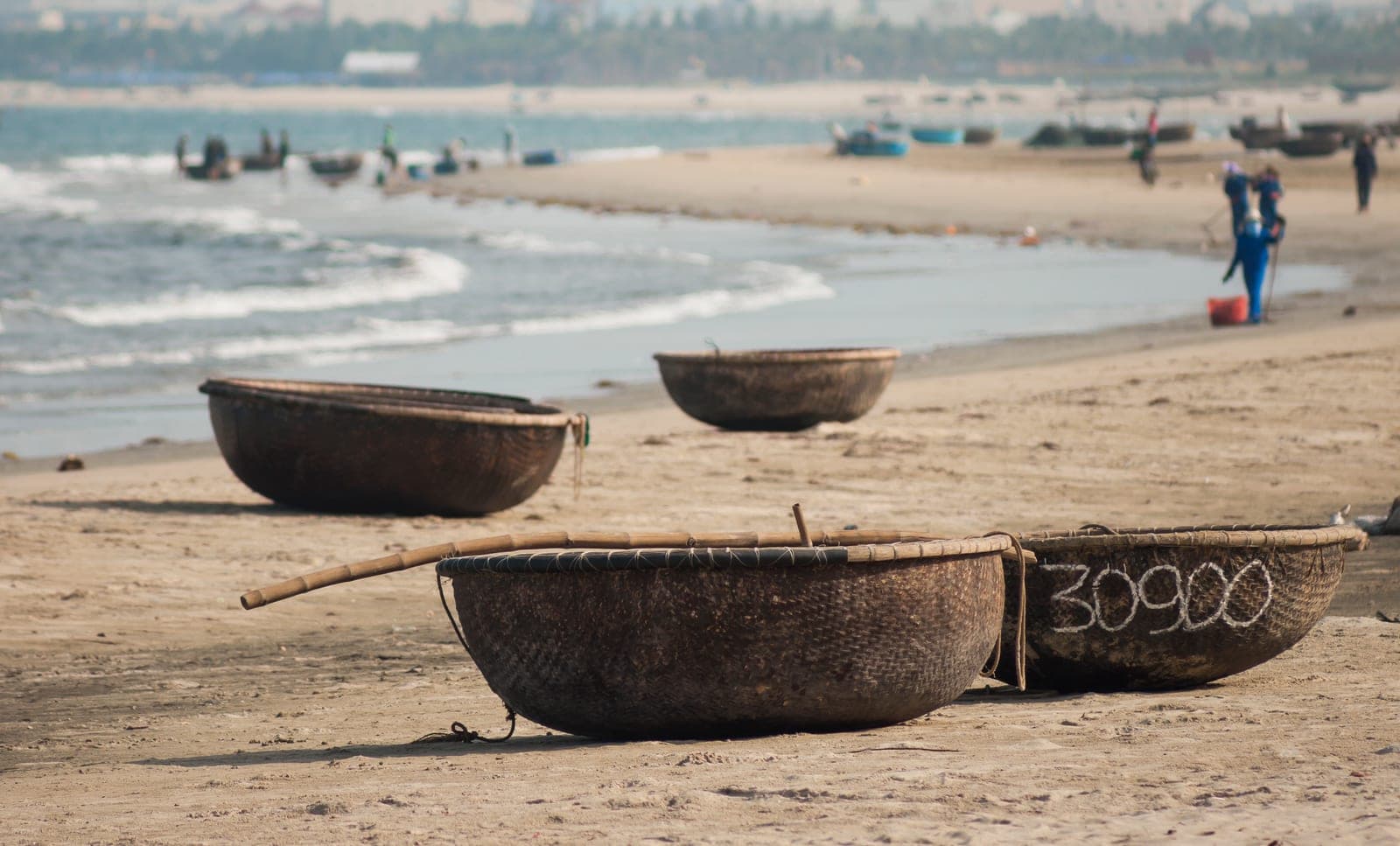
Vietnam has 3,260 km of coastline, but only a handful of beaches deliver the resort-level experience tourists expect. The big-name beaches range from "world-class on a good day" to "over-developed". This page ranks the eight that earn their reputation — and the two that don't.
Methodology: each beach scored on sand quality, water clarity, infrastructure, vibe, and seasonal reliability. Final order by overall verdict, not by single-criterion winners.
The 8 ranked
1. Bãi Sao, Phú Quốc (south island)
Phú Quốc's south-coast star — white sand, clear water, fewer crowds than the resort strip. Best in November–April. Day-trip from anywhere on the island; many travellers spend half a day here and return to the JW Marriott / Premier Village strip for evening.
- Best for: families, photographers, resort breaks
- Season: November–April
- Avoid if: monsoon May–September (water cloudy, sand washed)
2. Côn Đảo beaches (south offshore)
The country's most pristine beaches — Bãi Đầm Trầu, Lo Voi, Suối Nóng. National park status protects them; expensive to reach (only-flights-or-fast-ferry); rewards travellers who make the effort. Six Senses Côn Đảo is the resort headline.
- Best for: luxury seekers, divers, beach-and-history travellers
- Season: March–September
- Avoid if: budget-tight (Côn Đảo is the country's most expensive beach base)
3. An Bàng, Hội An (central)
The closest world-class beach to a major cultural destination. Hội An town is 10 minutes by scooter; the beach has a real beach-shack scene, kite-surf rentals, and clean swimming. Has gained dramatically against Nha Trang in the past five years.
- Best for: Hội An visitors, food-and-beach combos, surfers
- Season: February–August
- Avoid if: October–November typhoon season
4. Mỹ Khê, Đà NẵngĐà Nẵng (Da Nang)dah nangMajor coastal city in central Vietnam, known for its beaches, the Marble Mountains, and modern infrastructure. (central)
Đà Nẵng's main beach — 9 km of clean sand, walkable from the city, modern. Less "tropical island" than Bãi Sao but more accessible. Best combined with a Hội An side-trip.
- Best for: city-and-beach travellers, families, joggers (long flat sand)
- Season: March–August
- Avoid if: October–November typhoons; you wanted "remote tropical"
5. Long Beach, Phú Quốc
The resort strip on the west coast — Vinpearl, JW Marriott, Premier Village. Less remote than Bãi Sao but more developed, with sunsets that are genuinely spectacular. The default Phú Quốc base for first-time visitors.
- Best for: resort holidays, families, sunset photographers
- Season: November–April
- Avoid if: looking for cultural depth
6. Quy Nhơn (central — quieter)
The "central beach you don't have to share". Quy Nhơn city sits on a curved sandy bay; Kỳ Co (30 km north) is a postcard. Domestic Vietnamese tourists know about Quy Nhơn; foreign tourists mostly haven't found it yet.
- Best for: budget travellers, escape-the-crowd seekers, longer stays
- Season: March–August
- Avoid if: short trip with first-time priorities
7. Mui Né (south-central)
Sand dunes and kitesurfing capital. The town itself has a lot of Russian-tourism infrastructure that hasn't aged well; the appeal is the wind, the kites, the dunes, and the price. Best for activities, not for the beach itself.
- Best for: kitesurfers, dune-tour travellers, budget beach week
- Season: November–April (also when the wind is best)
- Avoid if: pristine-beach-priority; Mui Né beach has erosion issues
8. Lan Hạ Bay (north — boat-access only)
Not technically a beach, but the small sand strips on Lan Hạ Bay islands deliver what Hạ Long Bay used to be — karst-bay swimming with empty water. Overnight cruises only.
- Best for: north-Vietnam trips, romantic cruise stops
- Season: March–October
- Avoid if: you wanted long beach walking; expect 100m sand strips, not km
Two over-hyped beaches to think twice about
Nha Trang
The country's biggest beach city has lost ground to development. Russian-tourism infrastructure, crowded main beach, mixed food scene. Not bad — but An Bàng, Mỹ Khê, and Phú Quốc beat it on most criteria. Worth considering only if you specifically want a beach + nightlife combination.
Vũng Tàu
The weekend beach for HCMC residents — 2 hours by hydrofoil or 3 by road. Crowded on weekends, oily water in places. Useful as a quick escape; not a destination beach.
Seasonality matters more than ranking
The single most important thing about Vietnamese beaches is which season you visit:
- November–April: south is dry, north is cool, central is reliable. The whole coast works.
- May–September: south enters monsoon; central is at its best; north is hot and humid.
- October–November: typhoon season in central — Đà Nẵng / Hội An / Quy Nhơn beaches are unreliable.
A "best" beach in the wrong season is a worse experience than a "second-tier" beach in the right one.
What about diving?
For diving, the rankings reorder:
- Côn Đảo — best visibility, healthiest reef
- Phú Quốc — accessible day-boats, mixed visibility
- Nha Trang — most established dive shops, declining reef
- Phú Quý (Bình Thuận) — emerging diving spot
- Cù Lao Chàm (off Hội An) — protected reserve, easy day-trip
See best islands in Vietnam for the island-by-island ranking.
Frequently asked questions
Which is the best beach in Vietnam overall?
When is the best time to visit Vietnam's beaches?
Is Nha Trang worth visiting for its beach?
Related
Continue reading
Comments
No comments yet.