Vietnam Beach Itinerary: 12 Days
Twelve days mostly horizontal. Phu Quoc, Da Nang/Hoi An, Nha Trang and a short HCMC transit. Vietnam's beach circuit done well.
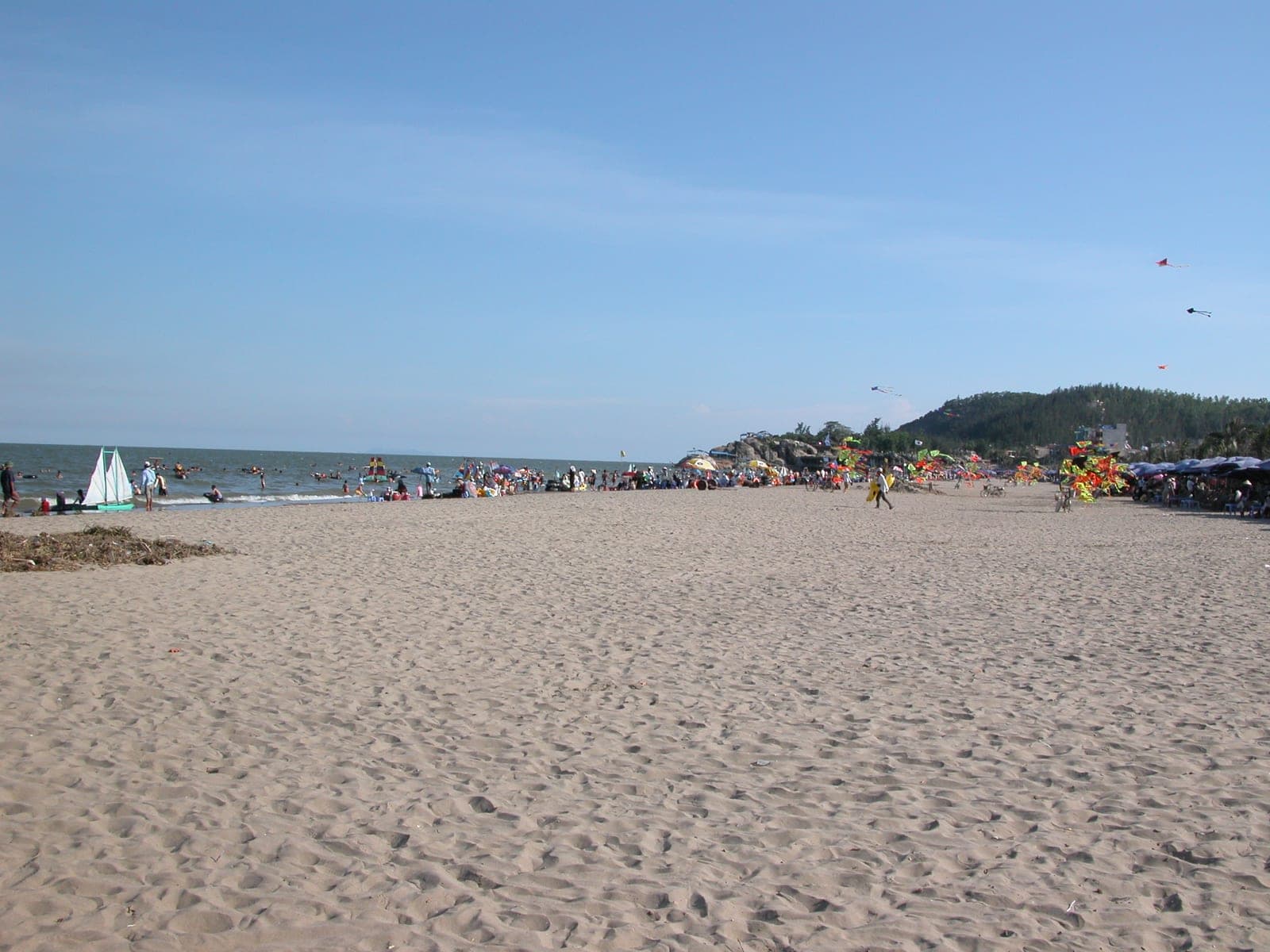
Vietnam's beaches are not the country's strongest single offering (Thailand and the Philippines edge it), but the spread is good and the value is excellent. A focused beach itinerary covers the three main destinations: Phú Quốc (tropical island), Hội An/Đà NẵngĐà Nẵng (Da Nang)dah nangMajor coastal city in central Vietnam, known for its beaches, the Marble Mountains, and modern infrastructure. (beach city plus UNESCO town), and Nha Trang (high-rise beach city). HCMC handles the transits.
The shape of the trip
Phú Quốc 5, Đà Nẵng/Hội An 3, Nha Trang 2, HCMC 1 (transit). Heavy weighting toward Phú Quốc because it has the best beaches and most clearly justifies a long stay.
Day-by-day
| Day | Base | Activity |
|---|---|---|
| 1 | HCMC | Arrive late, hotel near airport |
| 2 | Phú Quốc | Morning flight, Long Beach sunset |
| 3 | Phú Quốc | Bai Sao beach (south) |
| 4 | Phú Quốc | An Thoi islands snorkel tour |
| 5 | Phú Quốc | Resort day, night market |
| 6 | Phú Quốc | Vinpearl Land OR Ong Lang quiet beach |
| 7 | Đà Nẵng | Fly via HCMC, My Khe beach |
| 8 | Hội An | Move to Hội An, An Bang beach |
| 9 | Hội An | Old town evening, beach all day |
| 10 | Nha Trang | Fly to Nha Trang via HCMC |
| 11 | Nha Trang | Vinpearl island OR diving day |
| 12 | HCMC | Fly to HCMC, fly home |
The three beach destinations compared
Phú Quốc is Vietnam's premier beach destination. Best sand (Bai Sao on the south, soft and white), good range from budget bungalows to JW Marriott luxury, calm clear water December-April. Downside: development has been heavy; choose where you stay carefully (south island and Ong Lang for quiet, Long Beach for the strip with restaurants).
Đà Nẵng/Hội An is not a beach destination by South-East Asia standards but the city-and-beach combination is unique in Vietnam. My Khe (Đà Nẵng) has 30km of straight beach and surf in winter. An Bang (Hội An) is calmer with beach bars. You combine beach time with Hội An old town, which no other destination offers.
Nha Trang is a high-rise beach city with limited charm but excellent diving infrastructure (one of Vietnam's best dive scenes) and easy access to Vinpearl theme park. Useful as a third stop; not strong enough as a sole destination.
How to get between segments
All transfers by domestic flight. Beach hopping by land in Vietnam is impractical (the coast does not have efficient long-distance buses for this purpose, and the route is over 1,000 km from Phu Quoc area to Nha Trang).
- HCMC to Phu Quoc: 1 hour.
- Phú Quốc to Đà Nẵng via HCMC: 3 hours total elapsed.
- Da Nang to Nha Trang: direct flights are limited; usually via HCMC.
- Nha Trang to HCMC: 1 hour direct.
Books the flights together at least 3 weeks ahead.
Estimated cost
Per person, mid-range:
| Item | USD |
|---|---|
| Phú Quốc resort 5 nights | 350-900 |
| Hội An/Đà Nẵng hotel 3 nights | 150-300 |
| Nha Trang hotel 2 nights | 80-200 |
| HCMC airport hotel 1 night | 50-80 |
| Internal flights (3 legs) | 180-300 |
| Snorkel/dive tours | 120-220 |
| Food and drink | 250-380 |
| Local transport | 80-120 |
| Total (excluding international flights) | 1,260-2,500 |
When to do this trip
The wide spread of the trip helps because no single month is perfect for all three:
- Phú Quốc: November to April is dry season (best). May-October is wet but the rain is short bursts; deals are excellent.
- Đà Nẵng/Hội An: February to August. Avoid September to mid-November (typhoons).
- Nha Trang: February to August. Avoid October-December (rain).
Best overall window: February-April. All three destinations are clear and calm. Second best: late August (Phú Quốc shoulder ending, central coast still warm and dry, Nha Trang fine).
What it skips
- Con Dao. Vietnam's other island, more pristine but more remote and more expensive to add.
- Mui Ne. Could swap in for Nha Trang if you prefer kitesurfing and dunes to nightlife.
- Quy Nhon. A rising beach city, quiet and unspoiled. Add it instead of Nha Trang for a calmer trip.
- Northern beaches (Ha Long Bay, Cat Ba). These are not beach destinations per se.
Practical notes
UV is intense year-round south of Huế. Reef-safe sunscreen is hard to find in Vietnam; bring from home. Jellyfish are seasonal in Phú Quốc (October-December rare stings). Some Phú Quốc beaches (Long Beach centre) have erosion and rubble; choose your resort beach carefully by reading recent reviews. Nha Trang's central city beach is fine but the offshore island beaches are better.
Related: Phú Quốc, Hội An, Nha Trang, Đà Nẵng, phu quoc vs con dao.
What this itinerary is good for / not good for
Good for:
- Beach-lovers looking to maximize time in the water and sand without pushing north to Ha Long Bay or south to Con Dao
- Travellers wanting a mix: main-event beaches (Phu Quoc), a cultural stop (Hoi An old town), and resort diving (Nha Trang)
- Mid-range budget travellers who want comfort without luxury; the three destinations offer excellent value-for-money resorts
Not good for:
- Adventurous beach backpackers seeking undiscovered islands or surf destinations (try Mui Ne or Quy Nhon instead)
- People with limited time (anything under 10 days will feel rushed between three regions)
- Motorbike enthusiasts: this itinerary is entirely domestic flights; no riding involved
Realistic pace
Standard. Two internal flights plus two hotel moves means three days of "heavy" logistics (Days 1, 7, 10). The longest single travel leg is HCMC to Da Nang (3 hours elapsed). Daily activity load is light: beach time dominates (mornings and early afternoons), with optional tours replacing beach time every 2–3 days. This itinerary rewards slow immersion, not covering; you spend 5+ days in each major location.
Bad-weather backup plan
Typhoons (September–November, especially October) and monsoon rain (May–September for the central coast) are the main risks. If Phú Quốc is hit by heavy surf/jellyfish, shift the extra days to Hội An/Đà Nẵng instead—My Khe and An Bang beaches are walkable, and Hội An old town (covered and largely all-weather) becomes the primary activity. If Nha Trang encounters typhoon swell, skip the diving day and use Vinpearl theme park as the indoor backup. The HCMC stop is fixed (transit-only). For Tet holidays (late January–early February), book hotels 6+ weeks ahead and expect crowded beaches and closed restaurants; slightly later windows (mid-February onward) are preferable.
Solo, family, motorbike-fatigue verdicts
- Solo-friendly: Yes, with light caution—beach cities are safe, but solo dining at night markets requires minimal language; avoid very quiet resorts on Ong Lang (empty after sunset).
- Family-friendly: Yes, especially with children 5+. Phú Quốc beaches are calm and sheltered (December–April); resorts have kids' clubs. An Bang (Hội An) is very family-safe. Nha Trang is less family-ideal due to high-rise density and partying atmosphere, but kids still enjoy the island tours.
- Motorbike fatigue risk: Not applicable (all flights). If you add internal scooter days (e.g., Hội An to Đà Nẵng), the 40 km takes ~1.5 hours and is easy road.
Frequently asked questions
What is the best time of year for this Vietnam beach itinerary?
How do you travel between Phu Quoc, Da Nang/Hoi An, and Nha Trang?
How much does this 12-day Vietnam beach itinerary typically cost?
Continue reading
Comments
No comments yet.