Phú Quốc: Vietnam's Largest Island
A large tropical island in the Gulf of Thailand — palm-fringed beaches, resort development, fish sauce, and 30-day visa-free entry for everyone.
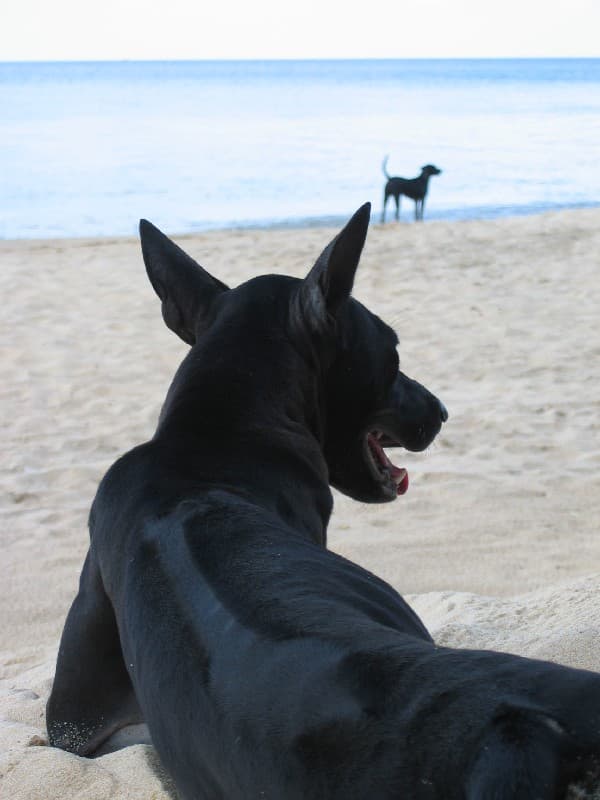
Phú Quốc is Vietnam's largest island — a teardrop-shaped 574 km² in the Gulf of Thailand, closer to Cambodia than to the Vietnamese mainland. It's administratively part of Kiên Giang province. Roughly half the island is national park.
The island has transformed since the 2010s — from a quiet fishing-and-fish-sauce island to a major resort destination, with several large resort complexes on the southern and northern coasts. The interior and east coast remain quieter.
The 30-day visa-free entry
This is the most useful single fact about Phú Quốc:
Any nationality can enter Phú Quốc visa-free for up to 30 days, provided you fly directly to Phú Quốc International Airport.
For details: Phú Quốc visa-free entry.
What to see and do
- The beaches:
- Bãi Sao (south) — the most famous white-sand beach.
- Bãi Trường (west) — long, with most of the western resorts.
- Bãi Dài (north) — cleaner; site of the Vinpearl resort complex.
- Bãi Khem (south) — quiet, beautiful, mostly accessed via JW Marriott.
- Phú Quốc United Centre / Grand World (north) — large entertainment complex; like-it-or-loathe-it.
- Vinpearl Safari — open-zoo with African animals; the only one in Vietnam.
- Cable car to Hòn Thơm (south) — claimed as the world's longest over-sea cable car at 7.9 km; impressive views; takes you to a small island with water parks.
- An Thới archipelago boat tours — snorkelling around the southern small islands.
- The pepper farms and fish sauce factories in the centre/north — small-scale, worth a visit if you want to understand the island's two famous products.
- Phú Quốc Night Market (Dương Đông) — seafood, souvenirs, the main evening gathering point.
Fish sauce
Phú Quốc fish sauce (nước mắm) has EU-protected geographical indication status — like Champagne or Parmigiano. The traditional product is made from black anchovies caught in surrounding waters, salted, and aged for at least 12 months in wooden barrels. Several factories are open to visit (Khải Hoàn is the largest and most tourist-friendly).
The bottles sold in airport souvenir shops are often not the traditional product. The real stuff is sold in dark glass at brand-name factories and is darker, deeper, and stronger than anything you'd buy at a supermarket abroad.
Food
- Seafood everywhere — squid, fish, scallops, crab, particularly along the night market and at simple shacks on the east-coast beaches.
- Bún quậy Phú Quốc — Phú Quốc's signature noodle dish, you mix it yourself at the table.
- Black peppercorns from the island plantations — used in many local dishes.
Practical
- Phú Quốc International Airport (PQC) has direct flights from many Asian capitals (Bangkok, Singapore, Hong Kong, Seoul, several Chinese cities) and from Hanoi/HCMC/Đà NẵngĐà Nẵng (Da Nang)dah nangMajor coastal city in central Vietnam, known for its beaches, the Marble Mountains, and modern infrastructure..
- The island is large — you need a vehicle. Rent a car with driver, or rent a scooter if you're confident.
- The roads are mostly paved and well-maintained; traffic light outside the towns.
- Many resorts are isolated; staying somewhere like Bãi Sao means you'll likely eat at the resort most nights.
When to visit
- November–April — dry season, calm sea, best beach weather.
- May–October — wet season; afternoon storms and rougher seas, but cheaper.
How to think about it
- As a beach destination — pleasant; not the Maldives but inexpensive and comfortable.
- As a side-trip from a mainland Vietnam tour — easy; cheap flights from HCMC.
- As a destination in its own right — works for 4–7 nights with a mix of beach, the cable car, and a day trip to An Thới.
- As "real Vietnam" — it isn't; you're seeing a developed-resort version. For traditional fishing-village atmosphere, the east coast is your best bet.
Quick verdict
Phú Quốc is Vietnam's largest island — a tropical, resort-heavy destination with white-sand beaches, world-class fish sauce, and the rare perk of 30-day visa-free entry by air. It's beloved for its cable car, snorkelling, and seafood, but it's less about authentic fishing village life and more about comfortable seaside infrastructure.
Best for / not ideal for
Best for:
- Beach-focused short stays (4–7 nights) for people who want comfort over adventure.
- Visa-free short-term tourists who land at PQC and need somewhere to stay without paperwork.
- Seafood lovers and serious fish sauce enthusiasts keen to visit a factory and understand the product.
Not ideal for:
- Backpackers seeking a "real Vietnam" experience — this island has been heavily resort-ified.
- Travellers with limited mobility — the island is large and needs a vehicle or driver.
How long to stay
Most visitors stay 3–5 nights; 2 is workable for beaches only, but misses the cable car and day trips. Four nights allows a mix of beach time, Hòn Thơm cable car, and an An Thới snorkelling tour. Longer stays suit those who want multiple beach days or a quiet retreat.
Climate by month
Phú Quốc's best months are November to April — dry, sunny, with calm seas perfect for beach and boat trips. May to October is wet season with afternoon storms and rougher waters, though prices drop significantly. The island's location in the Gulf of Thailand means it avoids the worst typhoons that hit central Vietnam. See /practical/weather-by-month for detailed forecasts.
Day trips from here
- An Thới archipelago boat tour — snorkelling among 16 small islands off the south coast; most tours depart morning and return afternoon.
- Hòn Thơm island (cable car + water parks) — the 7.9 km sea cable car lands on a small island with beach clubs and waterslides.
- Phú Quốc fish sauce factory tour — Khải Hoàn is the largest; half-day visitor program includes barrel-tasting and souvenir purchase.
- Phú Quốc pepper and spice plantations — inland farming cooperatives growing black pepper; quieter alternative to resort sprawl.
Local transport
Most visitors rent a motorbike or hire a driver for a car; the island is too large to explore on foot. Grab operates here and is the easiest way to book a taxi if you don't rent. Between major beaches and resorts, roads are paved and well-maintained, though signage is minimal in the centre. Many all-inclusive resorts offer shuttle services; staying at Bãi Sao or Bãi Dài usually means eating at your resort because of the distance to town.
Frequently asked questions
Do I need a visa to visit Phú Quốc?
Which beach on Phú Quốc is best?
How long should I stay on Phú Quốc?
Is Phú Quốc fish sauce worth buying, and where should I get it?
Do I need to rent a vehicle on Phú Quốc?
When is the best time to visit Phú Quốc?
Continue reading
Comments
No comments yet.