Best Vietnam destinations by month — the year-round picker
What to visit in February vs August vs October — month-by-month picks for north, central, and south Vietnam, with the seasons-and-region matrix at the top.
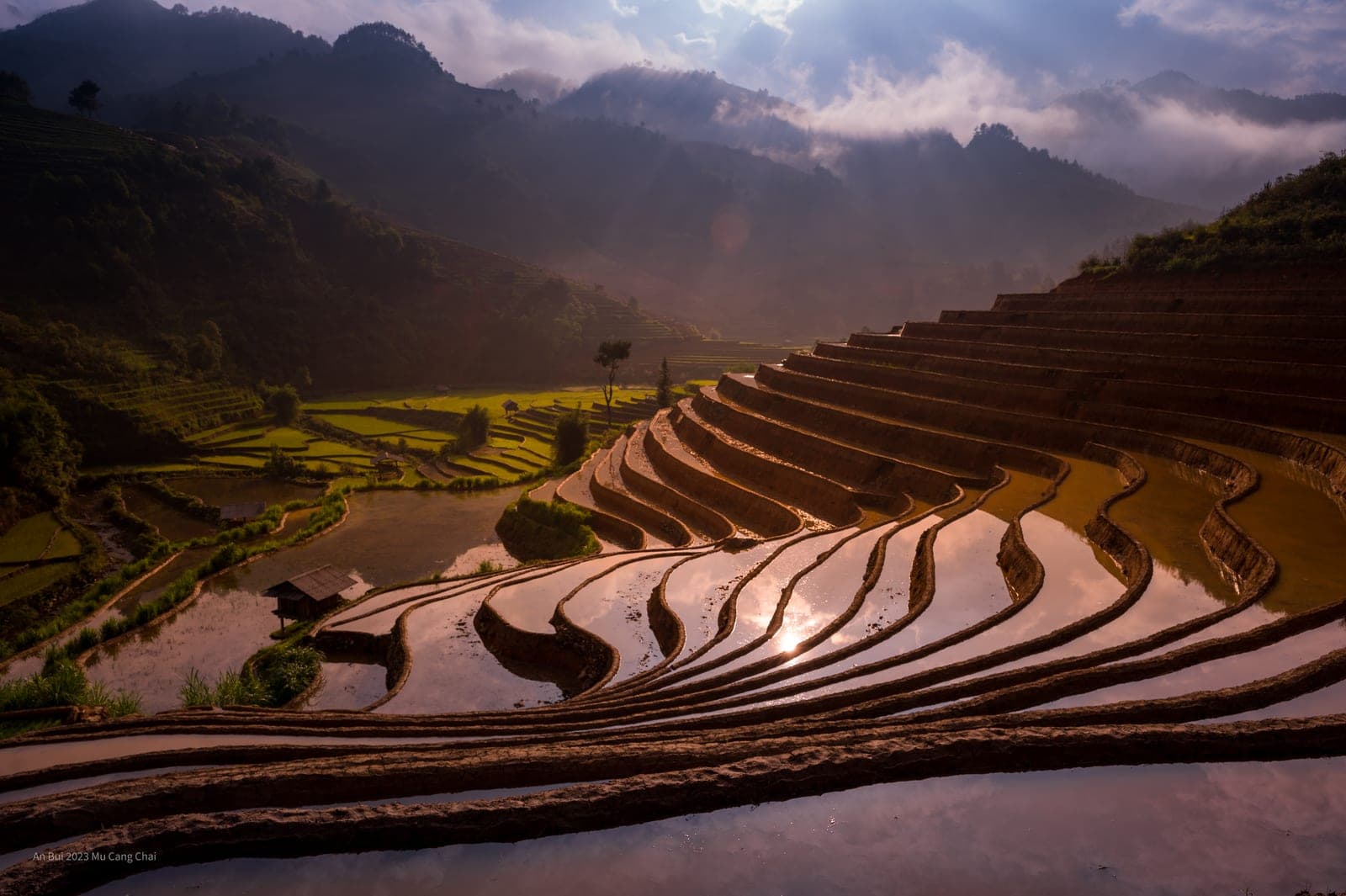
Vietnam is three climates in one country. The "best destination" in March is not the same as in October. This page is the month-by-month picker — what's at its peak, what to avoid, and what to plan around.
For the deeper substance behind any month, see the weather-by-month reference and the best-time-to-visit tool.
The seasons-and-region matrix
| Region | Best months | Worst months |
|---|---|---|
| North (Hanoi, Hạ Long, Sapa, Hà Giang) | Mar–Apr, Oct–Nov | Jun–Aug (heat); Dec–Feb (cold drizzle) |
| Central (Đà Nẵng, Hội An, Huế, Phong Nha) | Feb–Aug | Oct–Nov (typhoons + floods) |
| South (HCMC, Mekong, Phú Quốc, Đà Lạt) | Nov–Apr | Jun–Sep (afternoon rains; PQ low season) |
The "good everywhere" months are February, March, and April — though even these come with a Tết-week caveat in February.
Month-by-month picks
January
- Best: south (Phú Quốc resort week, HCMC); Đà Lạt highlands
- Watch: Tết falls late January or early February most years — half the country closes
- Sweet-spot: 7-day Phú Quốc beach week with Mekong delta side-trip
February
- Best: central (Hội An, Đà NẵngĐà Nẵng (Da Nang)dah nangMajor coastal city in central Vietnam, known for its beaches, the Marble Mountains, and modern infrastructure., Huế); south continues; Sapa-without-mist
- Watch: Tết week (book early or avoid travel during the holiday)
- Sweet-spot: Hội An + Huế combination
March
- Best: everywhere — central peak; south late season; north spring
- Watch: nothing significant
- Sweet-spot: classic 14-day Hanoi → Hạ Long → Hội An → HCMC route
April
- Best: north (warm spring); central; south late dry
- Watch: Reunification Day (April 30) — domestic travel surges
- Sweet-spot: Sapa + Hà Giang spring; central beaches
May
- Best: Phong Nha caves; Hạ Long Bay; north early summer; Côn Đảo reef
- Watch: south enters monsoon (afternoon thunderstorms, not all-day rain); central heat builds
- Sweet-spot: Phong Nha cave week; Côn Đảo diving
June
- Best: Côn Đảo (turtle nesting); central beaches; mountain escapes (Sapa green)
- Watch: north heat (32–35 °C, humid); south monsoon (afternoon rains)
- Sweet-spot: central coast or Đà Lạt highland retreat
July
- Best: Côn Đảo; Đà Lạt highlands; northern mountain valleys
- Watch: peak Vietnamese domestic-tourism season — Hạ Long Bay, Sapa, beaches crowded
- Sweet-spot: highland Đà Lạt; off-grid northern valleys (Mai Châu, Pù Luông)
August
- Best: late central season; northern mountains; Côn Đảo
- Watch: heaviest rains in some southern areas; north still hot
- Sweet-spot: Cát Tiên National Park; Côn Đảo
September
- Best: Sapa harvest gold (the country's most photographed weekend); Hà Giang second window; Phong Nha late season
- Watch: National Day (September 2) — domestic transport spikes
- Sweet-spot: Sapa + Hà Giang autumn
October
- Best: north (cool, clear); Mekong harvest
- Watch: avoid central Vietnam — typhoon season; Hội An floods in most years
- Sweet-spot: Hanoi + Hạ Long + Sapa; skip central
November
- Best: north (peak month); south late dry; Mekong bird migration begins
- Watch: late typhoons in central possible
- Sweet-spot: classic 14-day north + south trip
December
- Best: south (peak month for Phú Quốc); Đà Lạt cool
- Watch: Hanoi winter drizzle 10–15 °C, no sun for days; cold Sapa mist
- Sweet-spot: Phú Quốc + HCMC + Mekong delta
Specific weather warnings
Tết week (late Jan – mid Feb)
Half the country closes for 7–10 days. Domestic transport booked solid; many shops, restaurants, and homestays close. A magical cultural experience if planned for; a disaster if assumed against. Use the public-holiday section to confirm exact dates.
April 30 – May 1 (Reunification + Labour Day)
Domestic travellers move en masse. Flights, trains, and beach resorts spike. Hanoi-HCMC flights can triple in price.
September 2 (National Day)
Similar effect to April 30 but smaller scale.
October–November typhoons (central)
Real risk — Hội An old town floods most years; Đà Nẵng beaches sometimes closed by storm warnings; Huế river floods. Plan for buffer days if travelling through central in this window.
June–August heat (north)
Hanoi summer is 32–35 °C with 80% humidity. Outdoor activity in midday is hard; pace days around early-morning and late-afternoon.
Monthly "best destinations" cheat-card
| Month | Top pick | Why |
|---|---|---|
| Jan | Phú Quốc | South dry-season peak |
| Feb | Hội An | Central reliable; Hội An at its best |
| Mar | Sapa | Spring planting season |
| Apr | Hà Giang | Spring loop conditions |
| May | Phong Nha | Caves accessible; light crowds |
| Jun | Côn Đảo | Turtle nesting |
| Jul | Đà Lạt | Cool escape |
| Aug | Cát Tiên | Wildlife active |
| Sep | Sapa | Harvest gold |
| Oct | Hanoi | Northern autumn peak |
| Nov | Mekong | Cool dry season |
| Dec | Phú Quốc | Peak resort season |
What the "best" doesn't capture
- You can travel Vietnam all year — there's always somewhere at its peak
- Wet season is often workable — afternoon thunderstorms aren't all-day rain
- Shoulder months (May, August, November) often have lower prices and lighter crowds
- Personal flex — heat tolerance, family schedules, work calendars all matter
Frequently asked questions
What are the best all-round months to visit Vietnam?
Which month should I avoid for central Vietnam?
Is Vietnam's wet season worth traveling in?
Related
Continue reading
Comments
No comments yet.