Best places for retirees in Vietnam — with the honest visa caveat
Đà Nẵng, Hội An, and HCMC's Thảo Điền are the three realistic retirement bases — ranked on healthcare, climate, cost, and community. Plus the visa reality.
Vietnam is genuinely attractive for retirees on a modest Western pension — climate, food, cost, healthcare in major cities. The visa side is the catch: Vietnam has no confirmed dedicated retirement visa. Read the retirement reality check before assuming a long-stay route exists.
This page ranks the three places that work for retirees. Methodology: scored on healthcare access, climate (especially for older bodies), walkability, cost, and expat community.
The 3 ranked
1. Đà NẵngĐà Nẵng (Da Nang)dah nangMajor coastal city in central Vietnam, known for its beaches, the Marble Mountains, and modern infrastructure.
The country's most retiree-practical city. Vinmec Đà Nẵng and Family Medical Practice are excellent; international flights direct; coastal climate is milder than HCMC or Hanoi extremes; cost of living is meaningfully cheaper than the two big cities. Growing English-speaking expat community.
- Climate: 25–32 °C year-round; mild winters; typhoons October–November
- Healthcare: Family Medical Practice, Vinmec; serious care often referred to HCMC
- Cost: $1,800–3,000/month comfortable retiree budget for a couple
- Community: Đà Nẵng Expats group, Australian / European retiree clusters
- Best for: 60–75 active retirees on $30,000+/year pension
2. Hội An
Slower, smaller, more intimate. A genuine expat retirement community has grown in the past decade — particularly British, Australian, and French. Walkability is the standout feature; many retirees here don't drive at all.
- Climate: similar to Đà Nẵng, slightly warmer; flooding October–November
- Healthcare: limited locally; Family Medical Practice Đà Nẵng (30 min drive)
- Cost: $1,500–2,500/month for a couple
- Community: small-town close-knit; many long-stay foreigners
- Best for: 60–80 retirees who want quiet, walkability, and community
3. HCMC (Thảo Điền / District 7)
The premium retirement choice. Best healthcare (FV Hospital, Vinmec Central Park, Family Medical Practice), best international food, best aviation connectivity. The trade-offs: high cost, intense traffic, less calm.
- Climate: 28–34 °C year-round; humid; no real winter
- Healthcare: best in Vietnam (FV, Vinmec, FMP)
- Cost: $3,000–5,000/month comfortable, depending on tier
- Community: large international community; many activities
- Best for: retirees with health complexity, business background, urban preference
Honourable mention: Đà Lạt
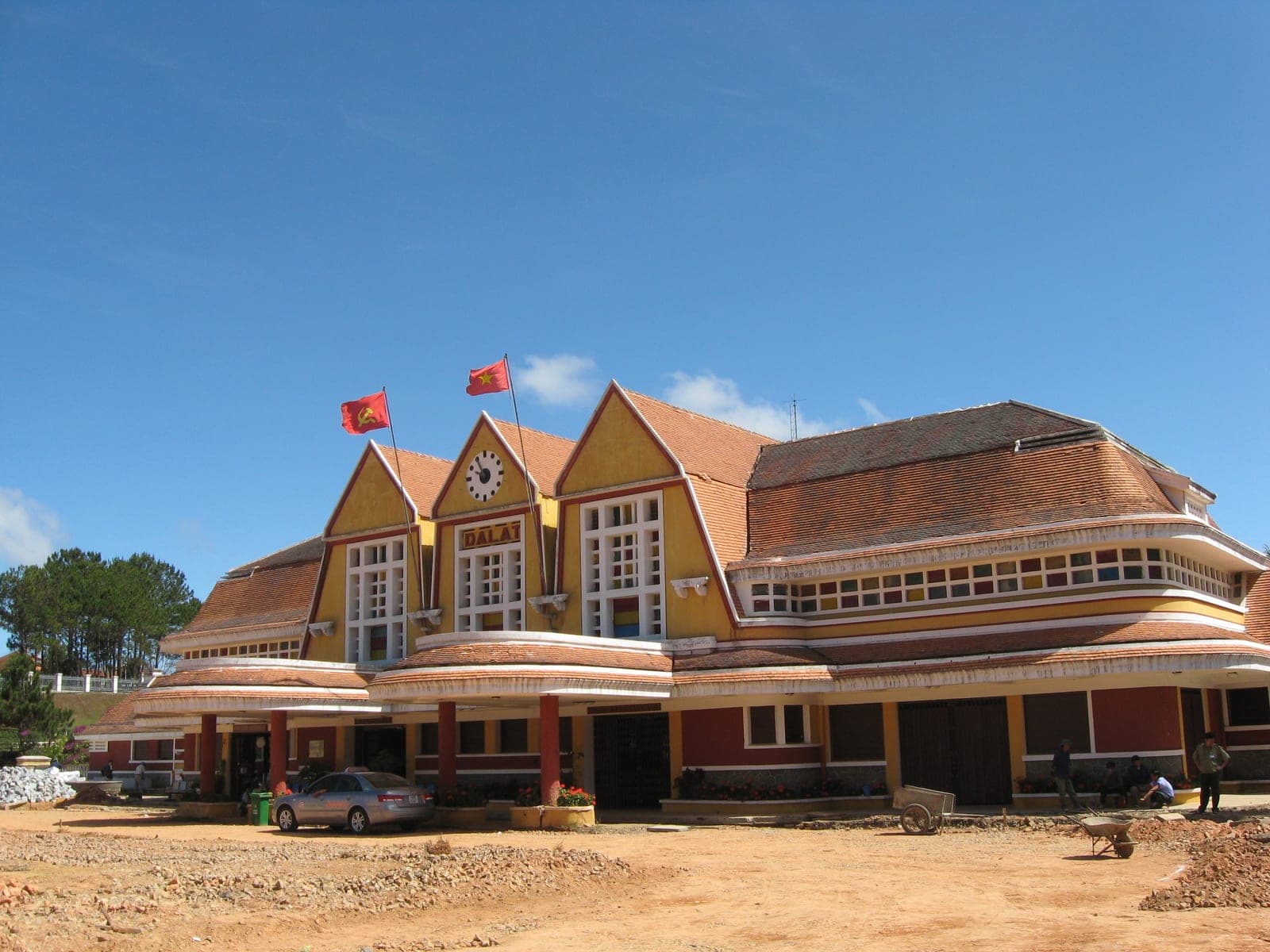
The highland alternative — cool climate, lower humidity, French villa charm. But healthcare is meaningfully thinner than Đà Nẵng or HCMC, and the cool nights some retirees love are too cold for others.
- Best for: heat-averse retirees who can manage long-distance hospital trips
- Watch for: limited specialist medical access
What this list deliberately excludes
Hanoi — winter is genuinely cold (10–15 °C, damp, no central heating in most apartments). Many retirees who try Hanoi for a year leave because of one bad winter.
Phú Quốc — beautiful and resort-style, but healthcare is limited (no major hospital network), and the airport is the only access. Better for 1–3 month stays than permanent retirement.
Sapa, Hà Giang, Phong Nha — beautiful destinations, not retirement places.
The visa reality
Vietnam has no confirmed dedicated retirement visa — no equivalent to Thailand's O-A, Philippines SRRV, Malaysia MM2H, or Indonesia second-home visa. What retirees actually do:
- E-visa cycles (most common): 90 days at a time, exit-and-re-enter every 90 days. Legal grey zone for indefinite stays.
- Marriage visa (TT): if married to a Vietnamese citizen.
- Investor visa (DT): if you set up a Vietnamese company. Not designed for retirees but works.
- Special visa exemption (UĐ1 / UĐ2): narrow specialist categories — not a retiree route despite occasional online suggestions.
For most foreign retirees, the practical answer is e-visa cycles with 183-day tax-residency awareness. Diversify your home-country tax position before committing.
Read the retirement visa reality check and the retirement and pensions guide for the deeper substance.
Cost of retirement in Vietnam (couple)
| Tier | Where | Monthly USD |
|---|---|---|
| Modest | Hội An / smaller Đà Nẵng | $1,500–2,200 |
| Comfortable | Đà Nẵng / central Hanoi | $2,200–3,500 |
| Premium | HCMC (Thảo Điền / D7), private hospital | $3,500–5,500 |
| Luxury | HCMC + frequent regional travel | $5,500+ |
International health insurance for a couple in their 60s: $4,000–8,000/year per person.
Healthcare planning
The single most important pre-retirement decision is healthcare. Specifically:
- Buy health insurance before you turn 65 — pre-existing conditions get harder to cover as you age
- Pick a primary hospital network at arrival (FV, Vinmec, FMP — all have direct-billing with major international insurers)
- Have a "serious care" plan — Singapore (Mount Elizabeth, Raffles), Bangkok (Bumrungrad), or repatriation home
- Pharmacy supply chain — confirm your maintenance medications are stocked in Vietnamese pharmacies
See healthcare for expats and retirement and pensions from abroad.
What retirees actually love about Vietnam
- Food: $2–5 meals at street stalls and small restaurants
- Climate: no winter heating bills (except Hanoi)
- Community: tight expat networks in Đà Nẵng / Hội An
- Travel base: cheap flights to Thailand, Cambodia, Japan, Korea
- Walking culture: especially in Hội An and parts of Đà Nẵng
What retirees often struggle with
- The visa anxiety: cycling e-visas is fine practically but doesn't give certainty
- Specialist healthcare gaps: complex conditions require travel
- Bureaucracy: TRC, bank accounts, driving licence — slow and paper-heavy
- Language: English varies; learning basic Vietnamese transforms quality of life
Frequently asked questions
Does Vietnam have a dedicated retirement visa?
Which city is the most practical base for retirees in Vietnam?
What are the typical monthly costs for a retiring couple?
Is healthcare good enough in Vietnam for long-term retirement?
Is Hội An a realistic full-time retirement base?
Why do the rankings exclude Hanoi and Phú Quốc?
Related
Continue reading
Comments
No comments yet.