Is Vietnam safe? The honest overview
Vietnam is safer than its reputation. The real risks are motorbike accidents, drink-spiking in a few nightlife spots, and a small set of avoidable scams. The 10-minute orientation.
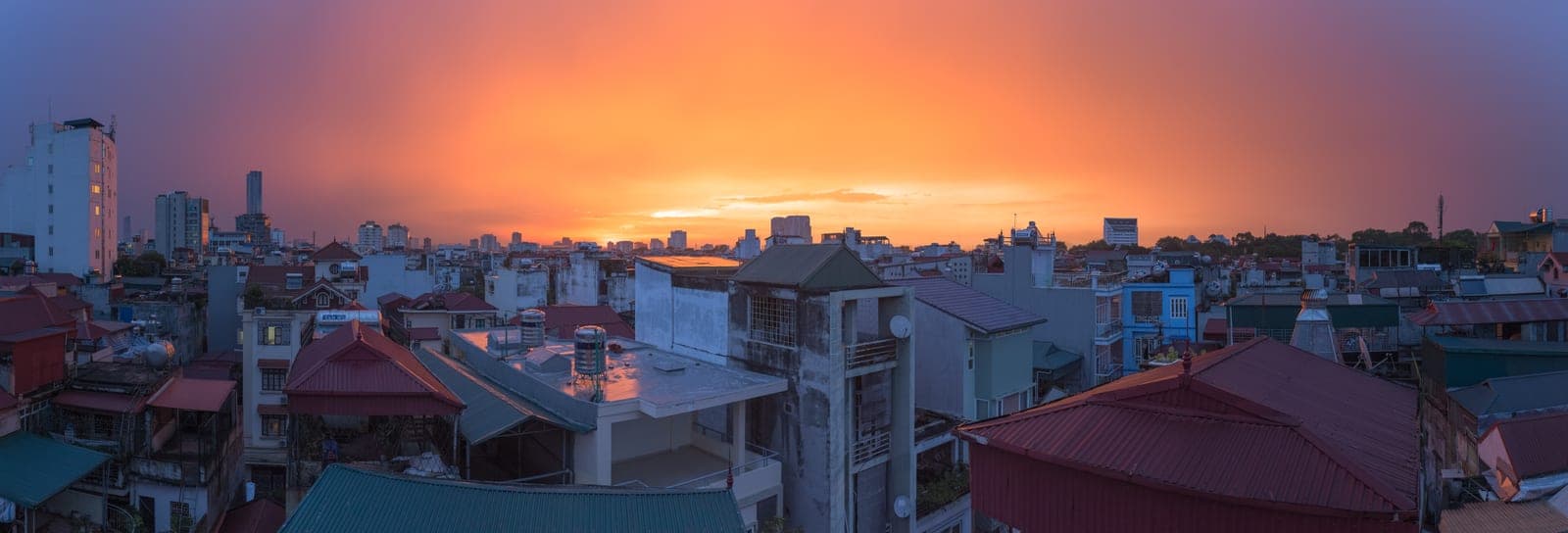
Vietnam is one of the safer countries in Southeast Asia for tourists. Violent crime against foreigners is rare. The risks that actually injure or kill foreign visitors are concentrated in a small list — and most are avoidable with the basics.
This page is the orientation. Specific scam patterns sit in the scams hub; specific health topics in the health section; traffic specifically in traffic safety.
Safety conditions change. This is general orientation, not situational advice. Verify travel-advisory updates with your home country's travel-advice service (UK FCDO, US State, Australian Smartraveller) close to your travel date.
The three real risks
In order of how often they actually harm tourists:
- Motorbike accidents. The single leading cause of foreigner deaths and serious injuries in Vietnam.
- Drink-spiking and theft from nightlife in a few specific districts.
- Avoidable scams — taxi meters, fake tour offices, motorbike-rental deposits, friendly-stranger redirects.
Crime that gets headlines elsewhere — kidnap, armed robbery, terror — is essentially absent from typical tourist Vietnam.
1. Motorbike accidents — by far the biggest risk
Roughly 30–40 foreign nationals die in motorbike crashes in Vietnam each year, and many more are hospitalised. The pattern is consistent:
- The rider had little or no motorbike experience back home
- The rider was riding without a Vietnamese-valid licence or international permit
- The rider's travel insurance did not cover motorbike riding
- The rider was alone, often in mountainous central or northern terrain
If you've never ridden a motorbike before, don't learn on a Vietnam holiday. Take Grab, hire a driver, walk. If you're an experienced rider:
- Get an International Driving Permit (with motorbike category) before you travel
- Confirm your travel insurance explicitly covers motorbike riding
- Wear a proper helmet ($30+, not the $5 plastic shell)
- Never ride drunk
- Don't try the Hà Giang loop, Hải Vân pass, or Đà Lạt's roads on day 1
See motorbike rental and traffic safety.
2. Drink-spiking and nightlife theft
A small risk concentrated in:
- Bùi Viện street in HCMC (Phạm Ngũ Lão backpacker area, District 1)
- Tạ Hiện "beer corner" in Hanoi's Old Quarter
- A few late-night Đà NẵngĐà Nẵng (Da Nang)dah nangMajor coastal city in central Vietnam, known for its beaches, the Marble Mountains, and modern infrastructure. beach-strip clubs
The pattern: a friendly stranger or "host" approaches a solo or small-group traveller, suggests another bar, redirects to a venue where the drink price is 5–10x menu and where physical pressure follows refusal.
Stay alert in the small hours, never leave a drink unattended, agree the bill before ordering at any venue you didn't choose yourself, and use Grab not flagged street taxis for the trip home.
See drink spiking and friendly stranger approach.
3. Avoidable scams
Common and mild; once you know the patterns, easy to step around.
- Taxi meter scams — drivers run an accelerated meter or refuse the meter. Use Grab, Be, or Xanh SM instead. See taxi meter scams.
- Fake tour offices in Hanoi's Old Quarter and Sapa — book direct online or with a verifiable agent. See fake tour offices.
- Motorbike-rental damage claims — photograph the bike before riding; never hand over your passport (a photocopy is fine; the original is not). See motorbike rental deposits scam.
- Friendly-stranger redirects to "my cousin's tea house / silk shop / gem store" — polite but firm decline. See tea house gem scam.
- ATM skimming at standalone ATMs in passages — use bank-branch ATMs only.
- Restaurant overcharging in tourist zones — confirm prices before ordering; check the bill line by line. See restaurant overcharging.
See the scams hub for the full list.
Safety basics that just work
- Carry the Vietnam emergency card with 113 (police), 114 (fire), 115 (ambulance).
- Tell someone where you are: a partner, family, an embassy registration (UK STEP, US STEP, Australia Smartraveller).
- Bottled water for drinking and brushing teeth in most places.
- Two cards in different wallets, plus some emergency cash.
- Passport stays in the hotel safe, photocopy in your bag.
- Trust your instincts. The "this feels off" feeling is usually right.
Per-traveller-type considerations
- Solo female travellers: Vietnam is one of the safer Southeast Asian destinations for solo women. The patterns to watch are the standard ones (drink-spiking in nightlife districts, unmarked taxi after dark). See solo female travel.
- Families with children: motorbike traffic is the biggest concern for small children at street crossings. Use Grab-car not Grab-bike with kids. See family travel.
- LGBTQ travellers: Vietnam is socially tolerant though not legally permissive (same-sex marriage isn't recognised). No state-level violence or harassment risk for visiting LGBTQ travellers. See LGBTQ travel.
- Older travellers: heat and humidity are bigger risks than crime; pace travel days, hydrate, and choose mid-tier hotels with reliable aircon.
Health
Mosquito-borne illness (dengue, occasional Japanese encephalitis), food and water safety, and motorbike injuries are the main health risks. Vaccines: standard travel set plus consider Japanese encephalitis and rabies if you're going into rural areas for longer. See vaccines recommended.
Government travel advisories
For a current advisory close to your travel date:
- UK FCDO: Vietnam travel advice
- US State Department: Vietnam international travel information
- Australia Smartraveller: Vietnam
These are updated as conditions change.
Related
Continue reading
Comments
No comments yet.