Huế royal cuisine: what to eat and where
A guide to Hue imperial-style dishes like banh khoai, banh beo, com hen, and che Hue, plus where to find them in the old capital.
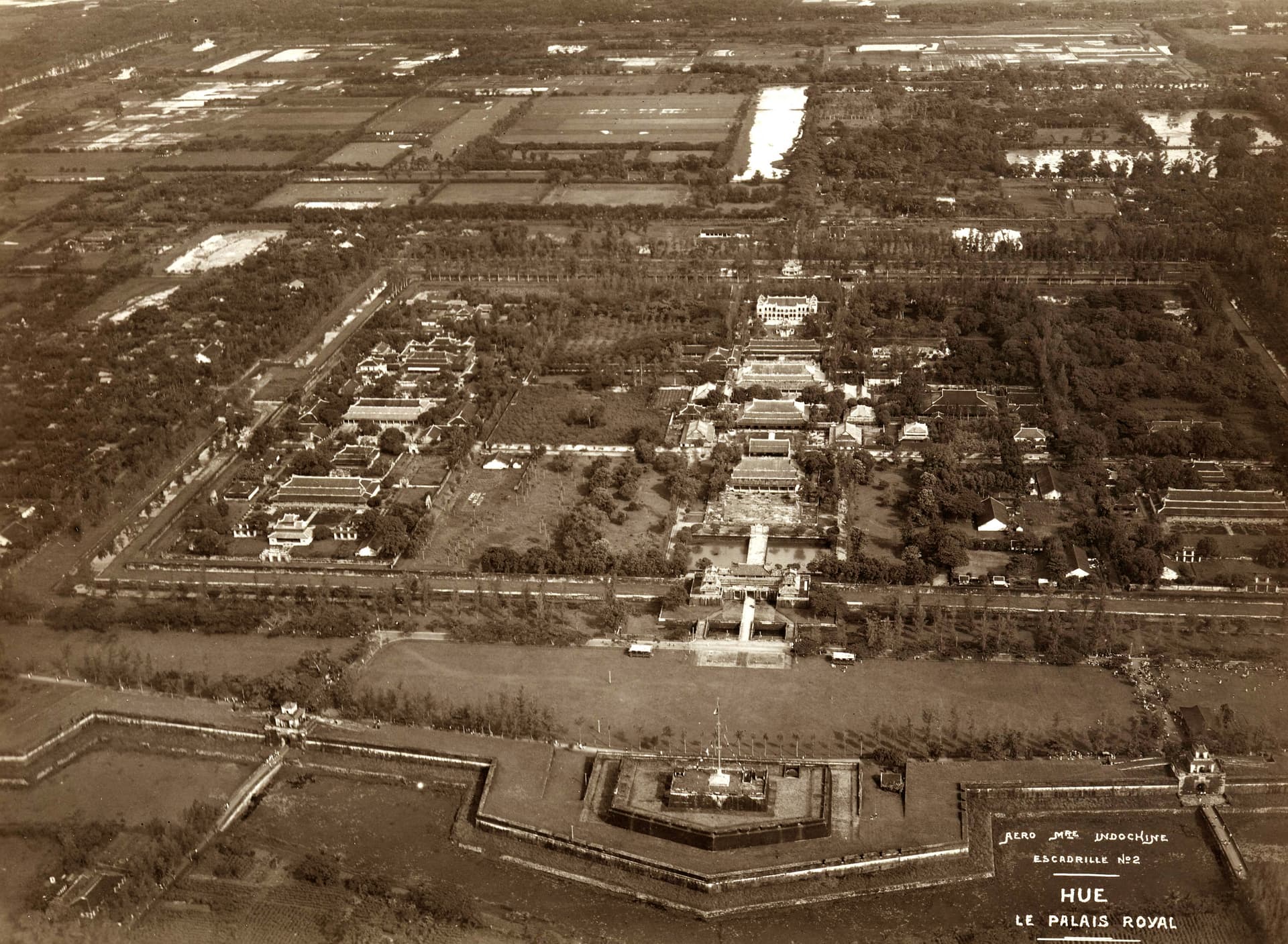
Hue spent more than a century as the seat of the Nguyen Dynasty, and that royal history shaped a food culture unlike anywhere else in Vietnam. Imperial chefs were reportedly expected to prepare dozens of small, precisely arranged dishes for the emperor's table, and that habit of small-plate variety and layered flavor still defines Hue cooking today. Visitors who mostly know Vietnamese food from Hanoi or Saigon are often surprised by how different — spicier and more delicate at once — Hue cuisine can be.
This guide covers the dishes most associated with the city's royal food tradition, plus practical notes on where to try them and how to plan a food-focused day or two in Hue.
Why Hue food tastes different
Hue's cuisine sits at a crossroads of geography and history. The city is close enough to the sea and surrounding lagoons to draw heavily on shrimp, small river snails, and freshwater clams, while its former status as an imperial capital pushed cooks toward smaller portions, more elaborate plating, and a wider variety of dishes per meal than is typical elsewhere in the country. Central Vietnamese food in general leans spicier than northern cooking and less sweet than southern cooking, and Hue is often considered the most refined expression of that style. For broader context on regional differences, the central and southern cuisine overview is a useful starting point.
Banh khoai: Hue's answer to banh xeo
Banh khoai is a small, crisp turmeric-yellow pancake, similar in concept to the southern banh xeo but noticeably smaller, thicker, and typically served as an individual portion rather than a shareable one. It is usually filled with pork, shrimp, and bean sprouts, folded over, and eaten wrapped in lettuce or mustard greens with herbs, then dipped in a peanut-based sauce that is distinct from the fish-sauce dips used further south. The size and dipping sauce are the easiest ways to tell it apart from banh xeo if you have already tried that dish elsewhere in the country.
Banh beo and the Hue "banh" family
Hue is arguably the country's best place to try the wider family of small savory rice cakes collectively known locally as "banh Hue." Banh beo are steamed rice cakes served in small individual dishes, topped with dried shrimp, crispy pork skin, and scallion oil. They typically arrive by the tray of ten or more, meant to be eaten in quick succession. Alongside banh beo, look for banh nam (flat rice dumplings steamed in banana leaf) and banh loc (chewy tapioca dumplings, often shrimp-filled and also banana-leaf wrapped). Ordering a mixed platter of all three at a dedicated banh Hue restaurant is one of the most efficient ways to sample the city's small-plate tradition in a single sitting.
Com hen: the humble clam rice of the Perfume River
Com hen, or baby clam rice, is a Hue specialty built around tiny freshwater clams harvested from the Perfume River, tossed with rice, herbs, peanuts, pork crackling, and a notably spicy chili oil. It is considered a working-class dish with royal-era roots in the same city that produced far more elaborate imperial banquets, and it is often cited as the dish locals eat most regularly rather than one reserved for visitors. Cồn Hến, a small island in the Perfume River, is the traditional home of com hen vendors and remains a popular spot to try it in a more local, less touristy setting.
Nem lui and Hue's grilled specialties
Nem lui is lemongrass-skewered grilled pork, a central Vietnamese specialty strongly associated with Hue, typically served with rice paper, herbs, green banana, and star fruit for do-it-yourself wrapping, alongside a thick, nutty dipping sauce rather than the clear nuoc cham used in the south. The interactive, wrap-your-own format makes it a popular group meal and a common feature at restaurants that specialize in Hue-style dining experiences aimed at both locals and visitors.
Che Hue: dozens of sweet soups in one bowl
Che is a broad category of Vietnamese sweet soups and puddings, but Hue is particularly known for the sheer variety on offer, with some vendors reportedly preparing a dozen or more varieties — mung bean, taro, lotus seed, jackfruit, and many combinations — served chilled or warm depending on the vendor and season. A "che thap cam" or mixed che, which combines several varieties in one cup, is a good way to sample multiple flavors without ordering separately. For general background on the dish across the country, see the che overview — though Hue's density of specialist che vendors is considered unusually high even by national standards.
Where to eat imperial-style meals in Hue
Several restaurants in Hue specialize in recreating multi-course imperial banquet meals, often in courtyard or garden settings styled after royal-era architecture, with staff sometimes dressed in period-inspired clothing and dishes plated in the small, varied style associated with the Nguyen court. These meals are typically pre-set menus rather than à la carte, and pricing runs higher than street food, so it is worth confirming what is included (drinks, number of courses, whether it is a private or shared setting) when booking. For day-to-day eating rather than a set banquet experience, the streets around Dong Ba Market and the banks of the Perfume River host a dense concentration of stalls and small family-run restaurants serving banh beo, banh loc, com hen, and bun bo Hue, the city's famous spicy beef noodle soup covered in its own dedicated guide.
Planning a food-focused visit to Hue
Hue is a compact city and most of its signature dishes can realistically be sampled over one to two days of focused eating, which makes it a natural stop on a broader loop through the region. Many visitors combine Hue with nearby Da Nang and Hoi An, connected by transport across the Hai Van Pass; see the motorbike rental guide if self-driving that route, or look into local transport options between Hoi An and Hue if traveling by car, bus, or train instead. For itinerary planning, Hue fits naturally into a broader look at central Vietnam over one week, and food-focused travelers may also want to review the dedicated foodie itinerary for how Hue's dishes compare with other regional specialties across the country. Before finalizing a trip, it's also worth checking the Hue regional overview for general logistics, weather patterns, and neighborhood notes that affect where you'll be eating.
A note on spice levels and dietary needs
Hue food is, on average, spicier than food from Hanoi or Ho Chi Minh City, and dishes like com hen and bun bo Hue are typically served with a noticeable chili kick built in rather than added at the table. Travelers sensitive to spice may want to ask vendors to go light on chili ("it khong cay" or simply gesturing for less) before the dish is prepared, since some items are cooked with chili already mixed in rather than added afterward. Vegetarian and vegan travelers should note that many Hue specialties rely on dried shrimp, fish sauce, or pork fat for their base flavor, so confirming ingredients in advance or seeking out dedicated vegetarian (chay) restaurants, which are relatively common in Hue due to the city's strong Buddhist tradition, is typically a more reliable route than assuming a dish can be easily modified.
Frequently asked questions
What is the most famous Hue royal dish?
Is Hue food spicier than food in Hanoi or Ho Chi Minh City?
What is the difference between banh khoai and banh xeo?
Where can I try an imperial banquet-style meal in Hue?
What is com hen and where does it come from?
Are there vegetarian options for Hue specialties?
Related
Continue reading
Comments
No comments yet.