Vietnam Foodie Itinerary: 12 Days
Twelve days organised around food. Bun cha in Hanoi, court cuisine in Huế, cao lau in Hội An, com tam in Saigon, homestay meals in the Mekong.
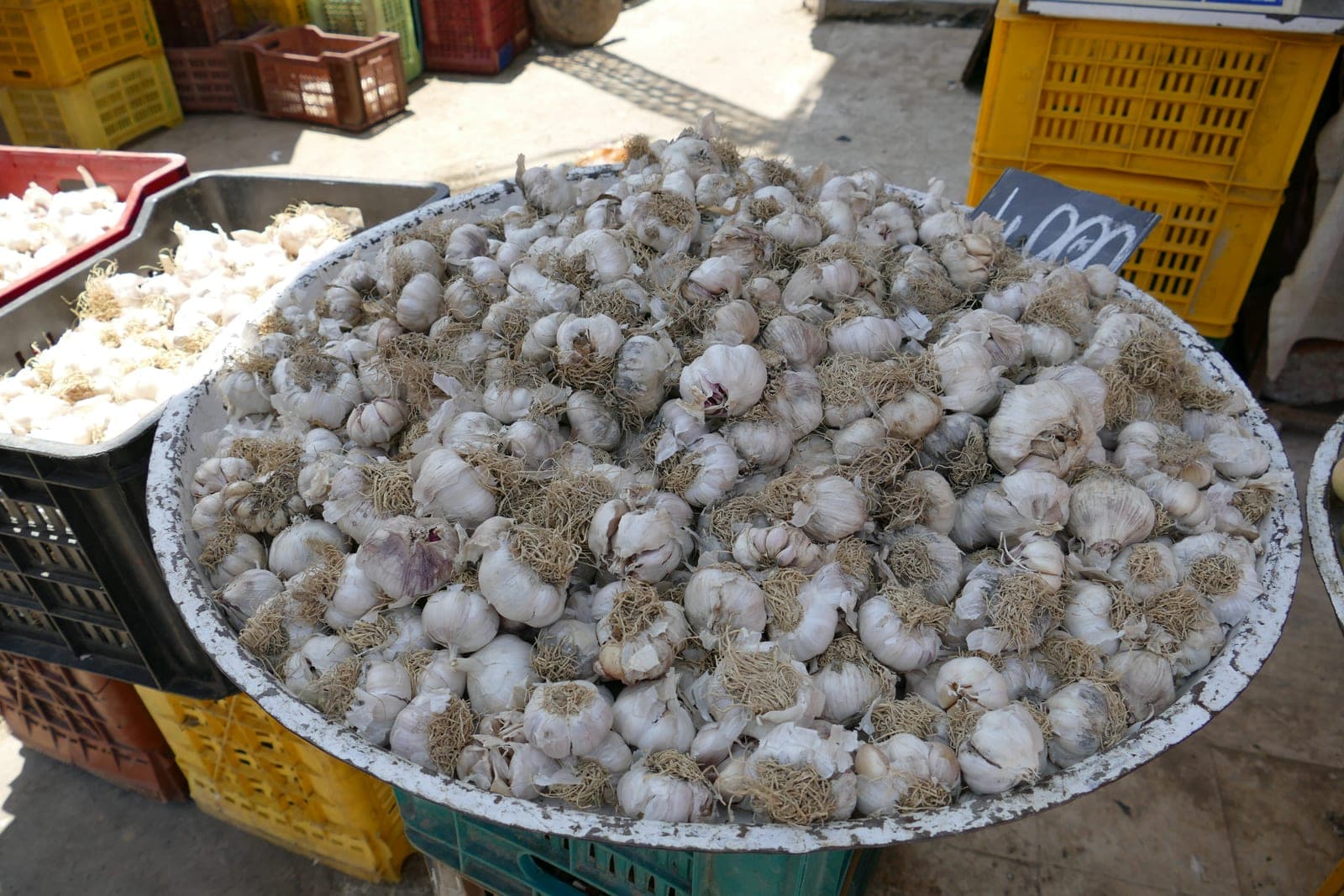
Vietnam has four distinct regional cuisines that share only a few common threads. The north (Hanoi) is restrained, herb-forward, subtly sour. The centre (Huế, Hội An) is the country's most complex cooking, layered and spicy. The south (HCMC, Mekong) is sweet, generous and tropical. Twelve days lets you eat through all four with time for cooking classes in each region.
The shape of the trip
Hanoi 3, Huế 2, Hội An 3, HCMC 2, Mekong 2. Domestic flights handle the long jumps. Every city includes a cooking class or food tour; book ahead.
Day-by-day
| Day | Base | Eat |
|---|---|---|
| 1 | Hanoi | Pho Gia Truyen for breakfast, banh cuon for lunch, bun cha for dinner |
| 2 | Hanoi | Old Quarter food tour morning, egg coffee at Giang, cha ca La Vong |
| 3 | Hanoi | Cooking class (pho, fresh rolls), bun rieu, fly to Huế |
| 4 | Huế | Bun bo Huế at Ba Tuyet, banh khoai, royal cuisine dinner |
| 5 | Huế | Cooking class focused on imperial court dishes, com hen, fly to Đà Nẵng |
| 6 | Hội An | Cao lau at Trung Bac, white rose dumplings, banh mi Phuong |
| 7 | Hội An | Tra Que village cooking class, mi quang, com ga |
| 8 | Hội An | Free day for repeat favourites, fly to HCMC |
| 9 | HCMC | Com tam Ba Ghien breakfast, banh xeo, banh mi Huynh Hoa |
| 10 | HCMC | District 1 food tour by scooter, hu tieu, bo la lot |
| 11 | Mekong | Homestay in Ben Tre, fresh elephant-ear fish, coconut everything |
| 12 | Mekong | Floating market breakfast in Can Tho, return to HCMC, fly home |
Signature dishes by city
Hanoi: pho bo, bun cha, cha ca, bun rieu, banh cuon, egg coffee, bia hoi.
Huế: bun bo Huế, banh khoai, banh beo/loc/nam, com hen, royal mam tom shrimp dishes.
Hội An: cao lau (only authentic in Hội An due to local well water), white rose dumplings, mi quang, com ga, banh mi Phuong, banh xeo.
HCMC: com tam (broken rice with grilled pork), banh mi (try Huynh Hoa for the loaded version), banh xeo, hu tieu Nam Vang, bo la lot, sugarcane juice, ca phe sua da.
Mekong: elephant-ear fish (ca tai tuong), hu tieu My Tho, coconut candy, durian, fresh river prawns.
How to get between segments
- Hanoi to Huế: domestic flight (75 min) or sleeper train (13 hours along the coast).
- Huế to Hội An: Hai Van Pass by car with seafood-shack lunch stop.
- Hội An to HCMC: Đà NẵngĐà Nẵng (Da Nang)dah nangMajor coastal city in central Vietnam, known for its beaches, the Marble Mountains, and modern infrastructure. airport, 90-min flight.
- HCMC to Mekong: 2.5-hour private car to Ben Tre.
Estimated cost
Per person, mid-range:
| Item | USD |
|---|---|
| Accommodation 12 nights | 480-960 |
| Three internal flights | 130-240 |
| Three cooking classes | 75-180 |
| Two food tours | 60-140 |
| Restaurant and street food meals | 300-450 |
| Local transport | 80-150 |
| Total (excluding international flights) | 1,125-2,120 |
Plan USD 25-40 per day for food alone if you eat at sit-down restaurants. Street food can drop this to USD 10-15.
When to do this trip
October-November and March-April are the best food-friendly weather windows nationwide. Winter (December-February) is excellent for hearty Hanoi soups (pho, bun rieu) which taste better in cool weather. Summer is fine for HCMC and the Mekong but Huế/Hội An are humid and hot.
What it skips
- Sapa and Ha Giang highland minority food (thang co, men men).
- Northern coast cuisine (Hai Phong cha ca, Hạ Long squid).
- Da Lat highland vegetables and Vietnamese wine.
- Phú Quốc seafood and fish sauce factories.
Practical notes
Book cooking classes ahead, especially Tra Que (Hội An) and the Old Quarter food tours in Hanoi. Pace yourself: it is genuinely possible to eat too much. Drink bottled or filtered water always, and be cautious with ice in non-tourist establishments. Carry Imodium just in case. Vegetarians: ask for "an chay" (Buddhist vegetarian); Hội An and Huế have excellent vegetarian Buddhist restaurants.
Related: Hanoi, Huế, Hội An, Mekong Delta, cultural itinerary.
What this itinerary is good for / not good for
Good for:
- Serious food lovers who want regional depth and cooking hands-on experience, not just restaurant sampling
- First-time visitors with 2 weeks who want to taste all four distinct Vietnamese cuisines in one trip
- Travelers who prefer city bases with walkable food scenes over adventure-heavy or beach-focused journeys
Not good for:
- Budget backpackers on USD 30–50/day who'll find cooking classes and sit-down restaurants stretch limits
- Families with young children who struggle with spice levels and unfamiliar textures (motorbike heat + 8-hour days tire kids)
- Travelers seeking beaches, islands, or adrenaline activities; this itinerary prioritizes food heritage over scenery swaps
Realistic pace
Standard. This itinerary moves every 2–3 days with three domestic flights (75–90 min each) and one overland leg (Huế→Hội An coast road). Days run breakfast market or cooking class (3 hrs), lunch explorations, dinner at signature spots—often involving scooter food tours in HCMC or village walks in Tra Que. The Mekong leg (day 11–12) is slowest, ending with a floating market before dawn. You'll average 6–8 hours of eating/activity daily; physically light but emotionally full.
Bad-weather backup plan
October–November and March–April rarely see disruption, but Tet (late January–early February) shuts markets and restaurants nationwide—reschedule. Typhoon risk peaks August–September in central Vietnam (Huế/Hội An); if monsoon rain hits, swap the Hai Van Pass road for Huế→Đà Nẵng airport and rejoin at Hội An. Heavy summer heat in HCMC/Mekong makes daytime street-food crawls miserable; shift to morning markets and air-conditioned cooking classes, or move Mekong homestay to cooler Ca Mau mangrove canals instead. Winter (Dec–Feb) in the north is ideal for soup-heavy Hanoi but cold; pack layers. Indoor fallbacks: Hanoi's French Quarter food museums, Huế's royal cuisine cooking class in a tucked-away shophouse, or an HCMC rooftop food tour in air-con comfort.
Solo, family, motorbike-fatigue verdicts
- Solo-friendly: Yes—cooking classes and food tours are group activities, cities are walkable, and foodies self-organize easily.
- Family-friendly: With caveats—spice can overwhelm young kids; book vegetarian/mild prep ahead, and keep days 11–12 Mekong short (kids tire on boats).
- Motorbike fatigue risk: Low—flights and private cars replace long motorbike legs; only Huế→Hội An (1.5 hrs) requires scooter, and that's scenic, not grueling.
Frequently asked questions
Do I need to book cooking classes in advance?
Why is cao lau only authentic in Hội An?
How much should I budget for food each day?
When is the best time of year to do this food itinerary?
Is this itinerary suitable for vegetarians?
Continue reading
Comments
No comments yet.