Vegetarian and vegan restaurants in Vietnam
A city-by-city guide to chay restaurants, ordering phrases, and the hidden fish sauce risk that catches most travellers out.
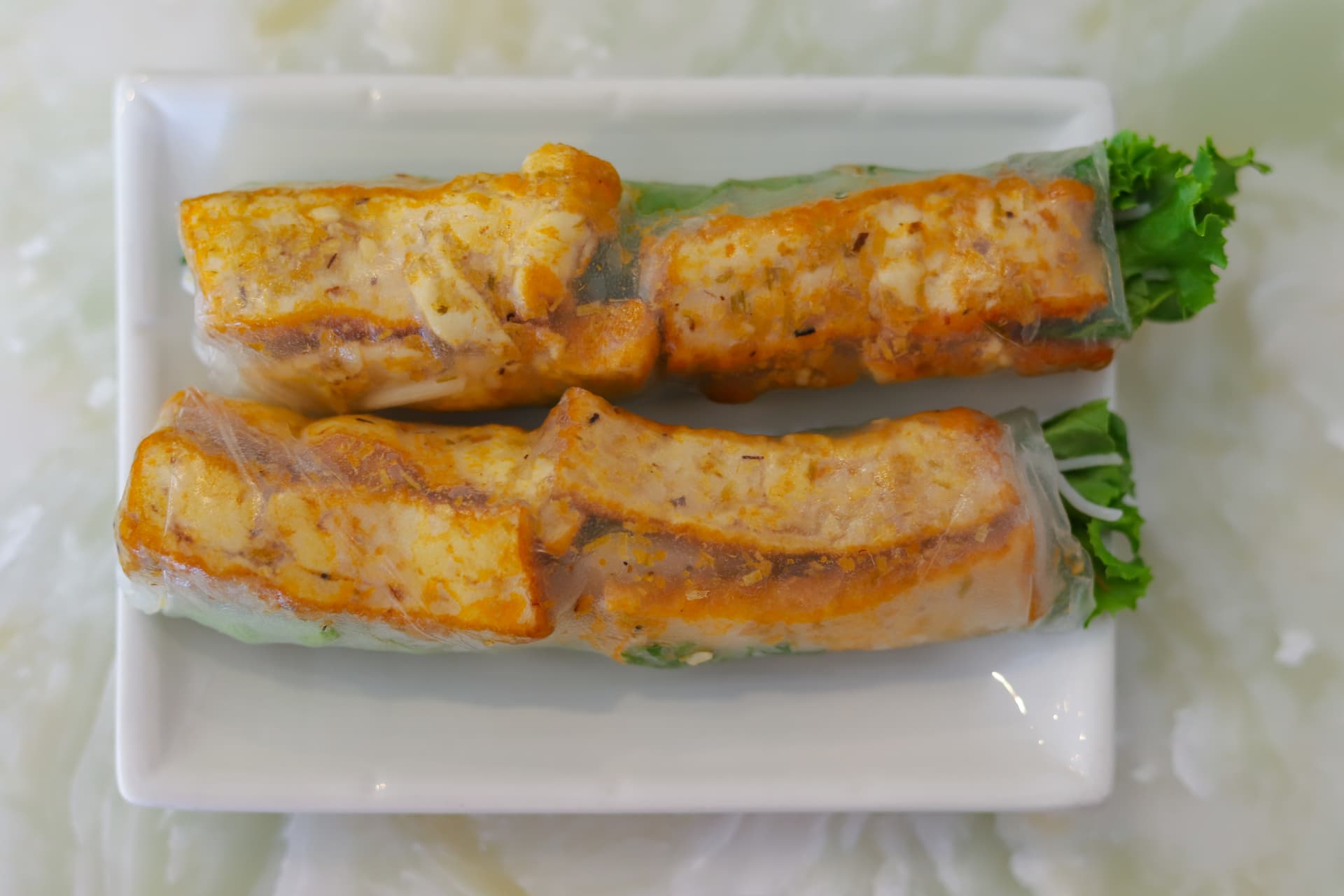
Vietnam has one of the more developed vegetarian food cultures in Southeast Asia, rooted in a long-standing Mahayana Buddhist tradition rather than a modern wellness trend. The word to know is chay — vegetarian, and in most cases fully vegan, food prepared without meat, fish, or (typically) eggs. This guide works through the chay tradition, what to expect city by city, how to order with confidence, and the hidden fish sauce risk that trips up even careful travellers.
The chay tradition, briefly
Chay cooking developed in temple kitchens, where monks and lay Buddhists observe a plant-based diet as religious practice rather than health preference. Many lay Buddhists eat chay on the first and fifteenth days of each lunar month, and on those two days a large number of ordinary restaurants — not just dedicated chay spots — switch some or all of their menu to vegetarian dishes. Outside those dates, dedicated chay restaurants operate year-round in every city covered below.
A distinctive feature of Vietnamese chay is mock-meat cooking: seitan, tofu, mushroom, and root vegetables shaped and seasoned to resemble pork, beef, or fish. This isn't considered deceptive in Vietnamese Buddhist practice — it's a way of making a familiar-looking meal without breaking the precept against killing. If you'd rather eat vegetable-forward dishes without the meat imitation, most restaurants can accommodate the request; see the ordering-tips section below.
Restaurants by city
Hanoi. The Old Quarter has the highest concentration of dedicated chay restaurants in the city, alongside a growing number of modern plant-based kitchens. Ưu Đàm Chay is a well-regarded upscale option with a tasting-style menu, while casual neighbourhood chay eateries cluster near the Old Quarter's temples. On lunar 1st and 15th dates, some restaurants near Tây Hồ (West Lake) run vegetarian buffets. See the Hanoi food guide and the Hanoi region page for wider orientation.
Ho Chi Minh City. HCMC has the country's most internationally adapted dining scene; District 1 and District 3 have several long-running chay restaurants alongside newer plant-based cafés, and English-language menus reduce ordering friction. See the HCMC food guide and Ho Chi Minh City region page for broader context.
Huế. Huế has the strongest and oldest chay tradition in the country, tied to its historic concentration of Buddhist temples and the royal court's own vegetarian cooking style. Dedicated chay restaurants here often run extensive menus of thirty or more mock-meat dishes at relatively low prices. Travellers with a specific interest in chay food may want to make Huế a priority stop; see the Huế food guide.
Đà NẵngĐà Nẵng (Da Nang)dah nangMajor coastal city in central Vietnam, known for its beaches, the Marble Mountains, and modern infrastructure. and Hội An. Both cities have a smaller but reliable base of chay restaurants, typically clustered near temples or in areas with a longer-established international visitor presence. Hội An has a comparatively high density of vegetarian and vegan-friendly restaurants for its size, reflecting years of tourist demand. See the Hội An food guide and Đà Nẵng food guide, plus the Hội An and Đà Nẵng region pages.
Smaller cities and towns. Outside the main hubs, chay options are typically thinner and may be limited to a single temple-adjacent restaurant or occasional lunar-day stalls. It's worth building meals around the naturally vegetarian dishes described below rather than assuming a dedicated chay kitchen will be nearby.
Ordering tips
A short list of phrases makes ordering considerably easier, since "vegetarian" in everyday Vietnamese usage does not necessarily mean the same thing an international traveller expects.
- "Tôi ăn chay" — "I eat vegetarian." A useful opening line at any restaurant.
- "Không nước mắm" — "no fish sauce." Worth adding to almost any order, for reasons covered below.
- "Không mắm tôm" — "no shrimp paste," relevant especially in central and northern dishes.
- "Món chay không giả mặn" — "vegetarian dishes that don't imitate meat," useful if you'd rather skip the mock-meat style.
- "Ăn chay trường" — signals that you eat vegetarian as a consistent practice rather than as an occasional choice, which some staff read as a stronger signal to double-check ingredients.
Showing a written phrase tends to be more reliable than speaking it, since tonal pronunciation is easy to get wrong as a non-native speaker. A phrase saved as a photo or note works well at street stalls where English is limited.
The hidden fish sauce risk
The single biggest risk for vegetarians and vegans eating in Vietnam isn't obvious meat — it's fish sauce (nước mắm) and shrimp paste (mắm tôm) used as background seasoning in dishes that otherwise look and are marketed as vegetarian. Fish sauce is a foundational flavouring in Vietnamese cooking generally, used in dipping sauces, stir-fry seasoning, salad dressings, and simmering liquids, often in small quantities that aren't obvious from appearance or menu wording.
A dish labelled "chay" at a dedicated vegetarian restaurant is typically prepared with a soy-based fish sauce substitute, which is one reason dedicated chay restaurants are generally a safer choice than asking a general restaurant to modify a normal dish. At non-chay restaurants, "vegetarian" on a menu may still mean the sauce was made with fish sauce as a base seasoning, even with no visible meat or seafood present. Broths for noodle soups such as phở or bún are typically made from pork or chicken bones unless a restaurant specifically advertises a vegetarian broth — ordering a "vegetarian" version of a normally meat-based noodle dish at a non-chay stall is not a reliable route to a genuinely meat-free bowl in most cases.
If you're strictly vegan or have a religious or ethical reason for avoiding all animal-derived seasoning, the more cautious approach in most cases is to eat at restaurants that identify themselves as chay, rather than rely on a general restaurant's interpretation of "vegetarian."
Naturally vegetarian street dishes
Several common Vietnamese dishes are vegetarian by default or easy to adapt, useful when a dedicated chay restaurant isn't nearby:
- Xôi đậu / xôi lạc — sticky rice with beans or peanuts, typically vegetarian as sold.
- Bánh xèo chay — the vegetarian version of the savoury rice-flour crepe, made with mushroom and bean sprout filling.
- Gỏi cuốn chay — fresh summer rolls made with tofu in place of pork and shrimp; ask specifically for the chay version.
- Chè — sweet dessert soups, generally plant-based, though some varieties include condensed milk.
- Cao lầu chay — the vegetarian take on Hội An's signature noodle dish, with tofu and mushroom toppings.
Even with these dishes, it's worth confirming that no fish sauce has been added to the finishing sauce or garnish, since cooks sometimes add a small amount out of habit even to a dish that's otherwise built to be vegetarian.
Chay days and festivals
The first and fifteenth of each lunar month are the most reliable dates to find widened vegetarian options at otherwise meat-focused restaurants and stalls nationwide. Some travellers plan city visits loosely around these dates specifically to sample chay cooking at places that don't normally offer it. Broader religious and lunar-calendar food customs, including Tết, are covered on the festivals and Tết page, worth reading if your trip overlaps with a major lunar holiday, since food availability generally shifts around those periods.
Planning a vegetarian-focused trip
For travellers prioritising vegetarian or vegan eating, Huế, Hội An, and the Old Quarter in Hanoi are generally the most convenient bases, given their restaurant density and long-standing chay traditions. If you're renting a motorbike to reach chay restaurants outside the main tourist centres, see motorbike rental for logistics. Longer stays exploring the food scene may also benefit from the broader dietary restriction guides by city, which covers gluten-free, halal, and allergy considerations alongside vegetarian and vegan eating.
Frequently asked questions
What does "chay" mean in Vietnamese food?
Is a dish labelled "vegetarian" on a menu reliably free of fish sauce?
Which Vietnamese city has the strongest vegetarian food tradition?
Are the first and fifteenth of the lunar month a good time to visit for vegetarian food?
What is mock-meat cooking and will I definitely be served it if I ask for vegetarian food?
Is it safe to assume noodle soup broth is vegetarian if the toppings are?
Related
Continue reading
Comments
No comments yet.