Vietnam Adventure Itinerary: 14 Days
Two weeks of motorbike, cave, trek, climb and dive. Ha Giang loop, Phong Nha cave system, Sapa trek, Cat Ba climbing, Con Dao diving.
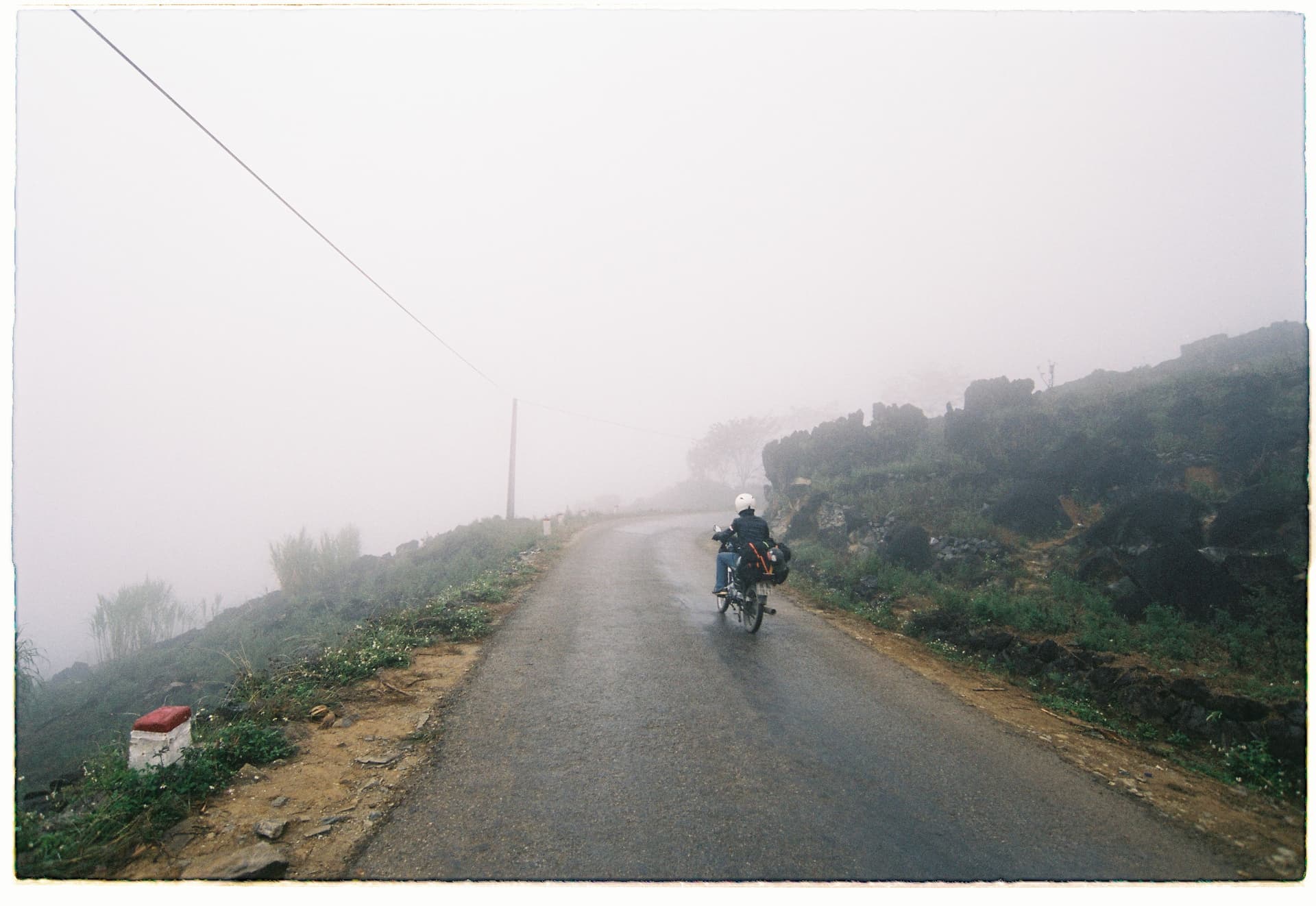
Vietnam has more genuine adventure than its tourism marketing suggests. The Phong Nha cave system contains the world's largest cave (Son Doong) and a dozen other spectacular ones. The Ha Giang loop is one of Asia's great motorbike journeys. Sapa and Pu Luong have real multi-day trekking. Cat Ba has tower-karst rock climbing. Con Dao offers some of South-East Asia's most-pristine diving. This itinerary takes a serious bite of each.
The shape of the trip
Ha Giang loop 4, Sapa trek 2, Phong Nha caves 3, Cat Ba climbing 2, Con Dao diving 2. The route involves more flying than usual because the adventure sites are far apart. Add buffer days if you can.
Day-by-day
| Day | Base | Activity |
|---|---|---|
| 1 | Hanoi | Arrive, organise Ha Giang trip |
| 2-5 | Ha Giang | 4-day loop with easy rider or self-ride |
| 6 | Hanoi | Sleeper to Sapa |
| 7 | Sapa | Multi-day trek begins, Ta Van homestay |
| 8 | Sapa | Trek continues, return Hanoi sleeper |
| 9 | Phong Nha | Fly Hanoi-Dong Hoi |
| 10 | Phong Nha | Hang En 2-day trek begins (Oxalis) |
| 11 | Phong Nha | Trek ends, Phong Nha Cave boat |
| 12 | Cat Ba | Bus/train to Hanoi, transfer to Cat Ba |
| 13 | Cat Ba | Climb at Butterfly Valley with Asia Outdoors |
| 14 | Con Dao | Fly via HCMC, dive briefing |
| 15 | Con Dao | Two-tank dive, fly out via HCMC |
This runs to 15 days; trim by skipping Sapa or Cat Ba if 14 is fixed.
Each adventure in brief
Ha Giang loop: 350 km of mountain road through limestone karst. Self-ride on a 110-150cc semi-auto if you have a motorbike licence + IDP. Hire an easy rider (a local on a second bike taking you as passenger) for USD 100-130/day all-in if you do not. Read the motorbike rental guide.
Sapa trek: Sapa Sisters (female H'mong cooperative) and Ethos Adventures both run excellent 2- and 3-day treks with homestays. Real walking through villages, not the watered-down day-hike version. Avoid wet season (June-August).
Phong Nha Hang En 2-day trek: Oxalis Adventure is the only operator licensed for the major caves. Hang En is the third-largest cave in the world, with a 1-night camp inside the cave. USD 350 per person all-in. Their Tu Lan 2-day and Son Doong 6-day (USD 3,000) are options for serious adventurers.
Cat Ba rock climbing: Asia Outdoors runs sport climbing on the deep water solo route at Butterfly Valley and Liem Bo. Beginner-friendly, with guides. Single-day USD 75-95.
Con Dao diving: less famous than Nha Trang or Phú QuốcPhú Quốc (Phu Quoc)foo kwokLarge island province in the Gulf of Thailand off the southern tip of Vietnam, known for white-sand beaches and fish sauce production. but better. Coral pristine, fewer divers, real chance of dugong and turtles. Dive Dive Dive and Con Dao Dive are the established operators. USD 90-130 for two-tank day dive.
How to get between segments
- Hanoi to Ha Giang: sleeper bus 7 hours.
- Hanoi to Sapa: sleeper train 8 hours.
- Hanoi to Dong Hoi (Phong Nha): 90-min flight.
- Phong Nha to Hanoi: flight return, then Cat Ba transfer (4 hours).
- Hanoi to HCMC for Con Dao: 2-hour flight then 45-minute Con Dao connection.
Estimated cost
Per person, mid-range:
| Item | USD |
|---|---|
| Accommodation 14 nights (modest) | 350-700 |
| Ha Giang loop (easy rider or self + gear) | 300-450 |
| Sapa 2-day trek with homestay | 80-150 |
| Hang En 2-day with Oxalis | 350 |
| Cat Ba climbing day | 85 |
| Con Dao two-tank dive | 120 |
| Domestic flights (4) | 250-450 |
| Sleeper bus/trains | 80-150 |
| Food and drink | 250-400 |
| Total (excluding international flights) | 1,865-2,855 |
When to do this trip
The hard part is that the best months differ by activity:
- Ha Giang loop: October-November or March-April. Avoid June-September (landslides).
- Sapa trekking: September-November (golden terraces) or April-May. Avoid summer rain.
- Phong Nha caves: February-August. Closed mid-September to mid-November due to flooding.
- Cat Ba climbing: October-April. Dry, cool.
- Con Dao diving: March-September. Rough seas November-February.
The cleanest cross-window is March-April, when nothing is at peak but everything is doable.
What it skips
- City time. This is a wilderness trip with city nodes for logistics only.
- HCMC. Just an airport transfer.
- Beach resort time. Con Dao has beach but only between dives.
- Standard cultural sites. Almost none on this route.
Safety notes
Adventure means risk. Wear helmets on bikes always. Listen to your dive briefing and follow depth/no-deco limits. Use licensed operators only for caves (Oxalis monopoly is a safety feature). Travel insurance with explicit motorbike, diving (to your depth) and caving coverage is non-optional.
Related: Ha Giang, Phong Nha town, Con Dao, motorbike loop, photography itinerary.
What this itinerary is good for / not good for
Good for:
- Experienced motorbike riders or adventurers comfortable hiring an easy rider through challenging mountain terrain
- Divers with PADI Open Water certification or higher seeking pristine, uncrowded coral and marine life
- Fit trekkers willing to camp inside caves and navigate wet, muddy trails in sub-tropical conditions
Not good for:
- First-time motorbike visitors to Southeast Asia without local experience or a licensed guide
- Beach-resort seekers; Con Dao offers diving only, not relaxation
- Travelers on tight time or budget; this route demands 15 days and USD 1,865–2,855+ per person
Realistic pace
Standard. The itinerary has five internal travel days (sleeper bus to Ha Giang, sleeper train to Sapa, flights to Phong Nha and Cat Ba, flight to Con Dao via HCMC), with the longest single leg being the 8-hour Hanoi-Sapa sleeper train. Activity days average 6–8 hours (full-day Ha Giang riding, 5–6-hour treks, 4-hour dives). You'll move camps every 2–3 days; factoring in border-town admin and early flights, rest is scarce but doable.
Bad-weather backup plan
October–November: Landslides block the Ha Giang loop mid-route; substitute a 3-day self-guided motorbike loop in Sapa or hire an Easy Rider from Hanoi for limestone-karst riding in Ninh Binh instead (easier, lower risk). June–September: Sapa trekking is ruled out by heavy rain; extend Phong Nha (add Tu Lan 2-day or indoor cave diving) or pivot to Cat Ba sport climbing (October–April only, so reserve now) and skip Sapa entirely. September–mid-November: Phong Nha caves flood and close; fly to Nha Trang or Phú Quốc for alternative diving. November–February: Con Dao seas are rough; swap for Nha Trang two-tank dives or day-diving at Ca Mau Point. Mark the hard windows above; pick your target season and book operators 4–6 weeks ahead.
Solo, family, motorbike-fatigue verdicts
- Solo-friendly: Yes, with caveats — cave trekking and diving are group-led, so you'll meet others; motorbike sections are safer with a hired easy rider rather than self-riding alone through remote karst.
- Family-friendly: With caveats — ages 12+ can trek and dive (with parental waivers and PADI Junior); the Ha Giang loop is rough and 350 km over 4 days (risk of fatigue in young children); Sapa trek is more doable for kids.
- Motorbike fatigue risk: High on the Ha Giang loop (350 km, mountain passes, 4 consecutive days); medium on internal transfers; mitigation is an easy rider hire and 1–2 rest days before and after Ha Giang.
Frequently asked questions
Do I need a motorbike licence to do the Ha Giang loop?
Which operator runs the Hang En cave trek, and what does it cost?
What is the best time of year to do this itinerary?
What diving certification is needed for Con Dao?
How much should I budget for this trip?
Can solo travellers do this itinerary safely?
Continue reading
Comments
No comments yet.