Best places in Vietnam for nature and wildlife
Phong Nha caves, Hà Giang karsts, Cát Tiên national park, Sapa terraces, Côn Đảo reef — the eight nature destinations that deliver, plus the seasonal notes that matter.
Vietnam's nature destinations rival its cultural ones, but they're harder to do badly without a plan. Wrong-season caves are flooded, wrong-month Sapa is misty, and the country's best national park gets almost no foreign visitors despite being one of Asia's biodiversity hotspots.
Methodology: scored on uniqueness, accessibility, infrastructure quality, and seasonal reliability.
The 8 ranked
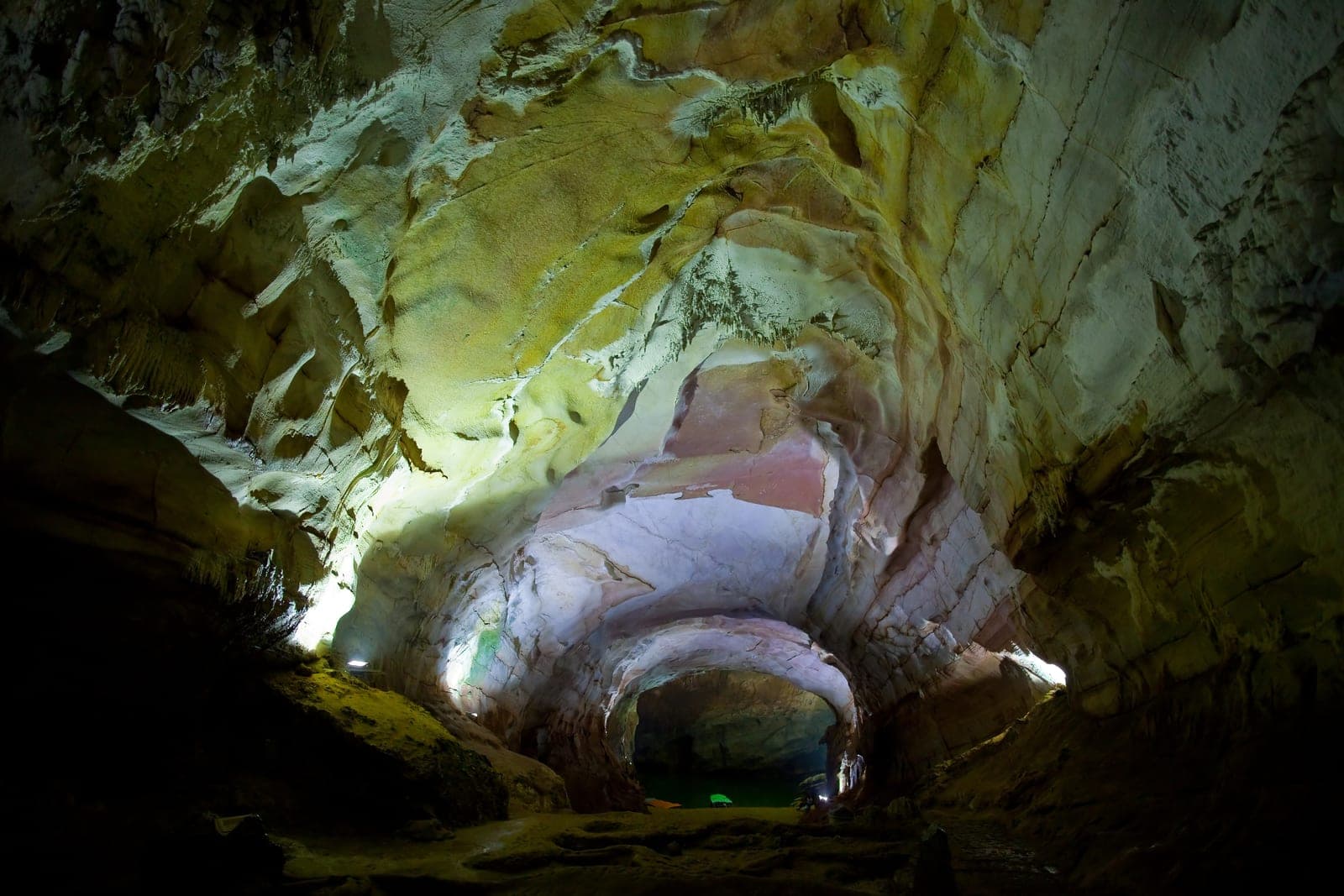
1. Phong Nha–Kẻ Bàng caves (central)
UNESCO-listed karst landscape with the world's largest cave (Sơn Đoòng — 1-year waitlist, $3,000+ expedition). Easier-access caves include Paradise Cave, Phong Nha Cave, Dark Cave, and Tu Lan. The most distinctive nature destination in Vietnam.
- Season: February–August (dry); some caves closed October–December
- Stay: 2–3 nights minimum
- Tip: book caves separately, not as a chained "all caves in one day" tour
2. Hà Giang karst loop (north)
The most photographed Vietnamese landscape — limestone mountains, terraced valleys, ethnic-minority villages. Only for experienced motorbike riders or paid-driver passengers. 3–4 day loop minimum.
- Season: March–April, September–November
- Avoid: monsoon June–August (roads dangerous, low visibility)
- Stay: village homestays
- Tip: book a local Easy Rider guide if not riding solo
3. Sapa terraces (north)
Rice terraces around Sapa town. Green in summer, golden at September harvest, water-mirror at winter planting. 1–2 day treks with H'mông or Dao guides into Tả Van, Lao Chải, or Bản Hồ valleys.
- Season: Sept–Oct (harvest gold), Mar–Apr (spring planting)
- Avoid: June–August (rain, leeches, low visibility)
- Tip: stay in valley homestays, not Sapa town itself
4. Cát Tiên National Park (south)
The most biodiverse park in Vietnam — gibbons, sambar deer, monitor lizards, hornbills, possibly Java mouse-deer. The country's last functional wild-elephant population (small). Accessible from HCMC by minibus (4 hours).
- Season: November–April (dry)
- Stay: park-run guesthouses
- Tip: night safari is the highlight; book in advance
5. Côn Đảo reef (south offshore)
The country's healthiest reef. Sea turtles nest May–November. Diving is the main draw; pristine beach access is the bonus. Limited daily flights from HCMC and Cần Thơ.
- Season: March–September
- Stay: 2–4 nights
- Tip: book Six Senses if budget allows; otherwise the resort-tier options are limited but acceptable
6. Cúc Phương National Park (north)
Vietnam's oldest national park (1962). Primate Rescue Centre, primary rainforest, prehistoric caves with human remains. Manageable as 1–2 day trip from Hanoi or Ninh Bình.
- Season: November–April (dry); April–May has butterfly migration
- Stay: park guesthouses or Ninh Bình
- Tip: Endangered Primate Rescue Centre is the highlight; book guided tour
7. Bạch Mã National Park (central)
Highland park between Huế and Đà NẵngĐà Nẵng (Da Nang)dah nangMajor coastal city in central Vietnam, known for its beaches, the Marble Mountains, and modern infrastructure.. Mountain hiking, waterfalls, Five Lakes summit. Less visited than Cúc Phương, similar wildlife depth.
- Season: March–August (dry); avoid October–November
- Stay: Huế or Bạch Mã guesthouses
8. Mekong delta backwaters (south)
The bird-rich rice paddies, mangrove forests of Cà Mau, and coconut-canal landscapes of Bến Tre. Less "wildlife park" and more "agricultural landscape" — but a different shape of nature than the karsts and reefs.
- Season: November–April (less flooding)
- Stay: home-stay options expanding
- Tip: Tràm Chim National Park has migratory water birds (Nov–Mar)
Honourable mentions
- Ba Bể Lake (north) — freshwater lake national park, ethnic-minority villages
- U Minh Thượng (Mekong) — mangrove and bird sanctuary
- Pù Luông (north-central) — rice terraces with low tourist density
- Lan Hạ Bay (north coast) — kayaking and karst exploration
By activity type
For trekkers
- Sapa valleys (1–3 day options)
- Hà Giang (motorbike, not trekking, but adventure)
- Cát Tiên (jungle hikes)
- Bạch Mã summit
For divers
- Côn Đảo (best visibility, healthiest reef)
- Phú Quốc (most accessible)
- Nha Trang (declining; cheapest)
For cave explorers
- Phong Nha (all tiers, world-class Sơn Đoòng for serious budget)
- Tu Lan caves (Phong Nha-adjacent)
- Trang An / Tam Cốc caves (limestone-water style, Ninh Bình)
For photographers
- Hà Giang loop
- Sapa harvest (September)
- Tràng An / Tam Cốc
- Cát Tiên jungle
For wildlife (mammals)
- Cát Tiên
- Cúc Phương (primates)
- Bạch Mã
For wildlife (birds)
- Tràm Chim (migratory water birds)
- Cát Tiên
- Cần Giờ mangroves (HCMC day trip)
Seasonality cheat-sheet
| Month | Best nature |
|---|---|
| Jan–Feb | Sapa winter terraces; Côn Đảo reef; Mekong dry season |
| Mar–Apr | Hà Giang loop; Bạch Mã; Phong Nha caves |
| May–Jun | Sea turtles at Côn Đảo; Phong Nha caves |
| Jul–Aug | Sapa green; Cát Tiên (humid); Côn Đảo (peak diving) |
| Sep–Oct | Sapa harvest gold; Hà Giang second window |
| Nov–Dec | Mekong delta; bird migration; Cúc Phương butterflies |
What this list deliberately excludes
- Hạ Long Bay — beautiful but tourist-heavy; cruise-only access; not "nature" in the sense of biodiversity
- Mui Né dunes — geologically interesting but small-scale
- Easter Island / over-quiet places — interesting but require deep commitment, not weekend trips
Frequently asked questions
When is the best time to visit Phong Nha's caves?
Which national park in Vietnam has the most wildlife?
Do I need a guide for the Hà Giang karst loop?
Related
Continue reading
Comments
No comments yet.